Category: News

Register Now: Best Practices in Promoting Gender Equity in Science and Technology HEIs

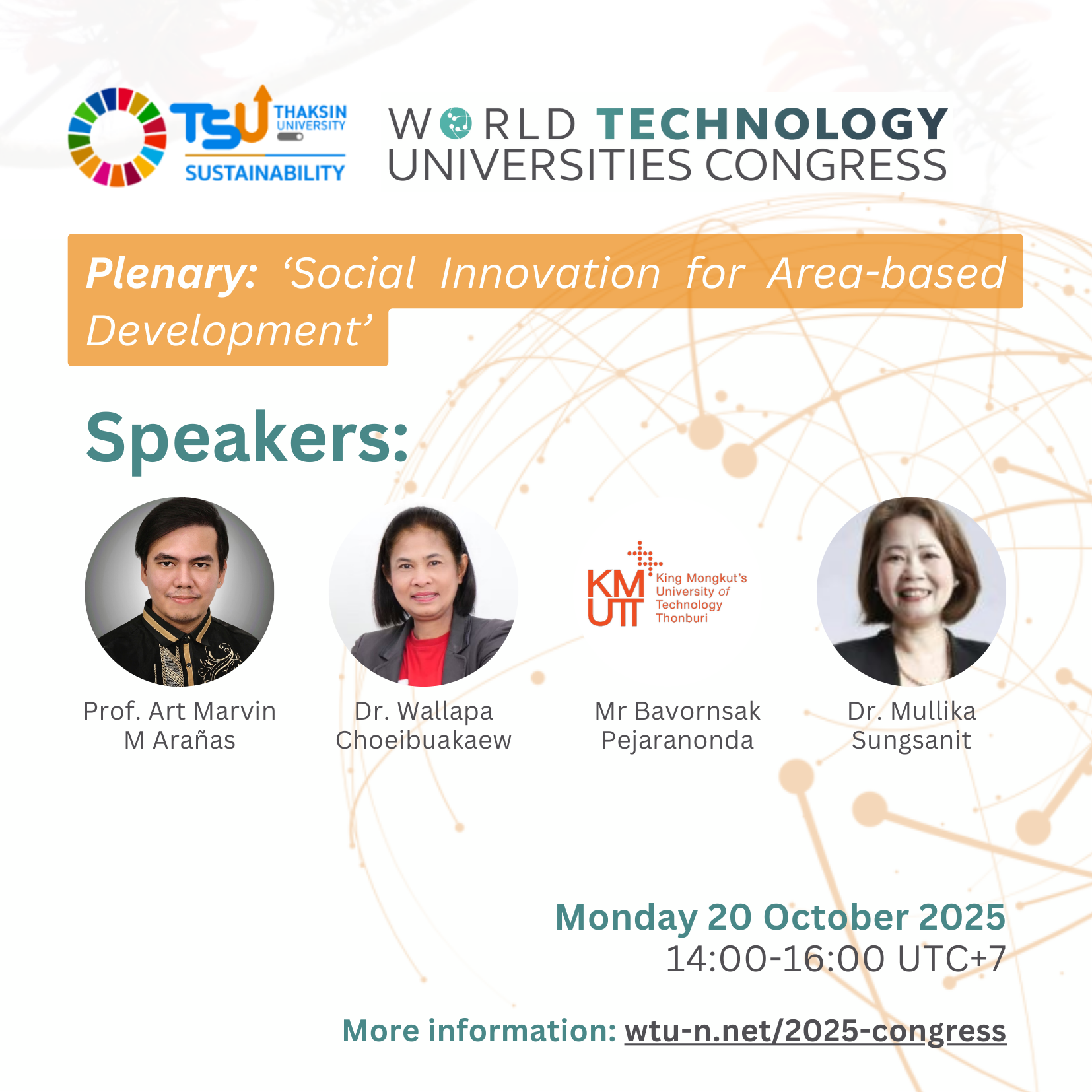
WTUN Gender Equity Workshop, hosted by King Mongkut’s University of Technology, Thonburi.

Join us for an online event dedicated to the topic of Gender Equity with a focus on technology Higher Education institutions.

Hosted by WTUN members KMUTT (Thailand), the event will feature high profile speakers from guest universities in addition to University of Applied Science Upper Austria, University of Bradford (UK) and Shibaura Institute of Technology (Japan).


Event: “Best Practices in Promoting Gender Equity in Science and Technology HEIs”

Date: Friday 13 March 2026

Time: 09.00-10.30 (UK/GMT)/10.00-11.30 (CET) / 16.00-17.30 (ICT) / 18.00-19.30 (JST)


Moderator

Dr Romyen Kosaikanont, Vice-President, Mae Fae Luang University

Speakers:

Dr Martina Gaisch, Researcher on Higher Education and Program Manager, University of Applied Sciences Upper Austria

Professor Uduak Archibong, Pro Vice-Chancellor [Equality, Diversity and Inclusion], Professor of Diversity, University of Bradford

Professor Tomoko Iwata, Vice-President, Shibaura Institute of Technology

Dr Pinet Sriyotha, Associate Dean for Planning and Quality Assurance, King Mongkut’s University of Technology Thonburi


Register here- kmutt.me/KMUTTWTUN_GenderEquity 

WTUN Newsletter – February 2026

Welcome to the latest edition of the WTUN newsletter: featuring a roundup of news, updates and events happening across the network.

Below you will read about the 2025-26 WTUN Exchange Programme, this year’s Student Competition and an invitation to ‘Save the Date’ for an upcoming WTUN Gender Equity Workshop hosted by members, King Mongkut’s University of Technology Thonburi..

Reminder: If you would like to share news, updates, events or milestones via this newsletter, then please contact wtun@bradford.ac.uk.


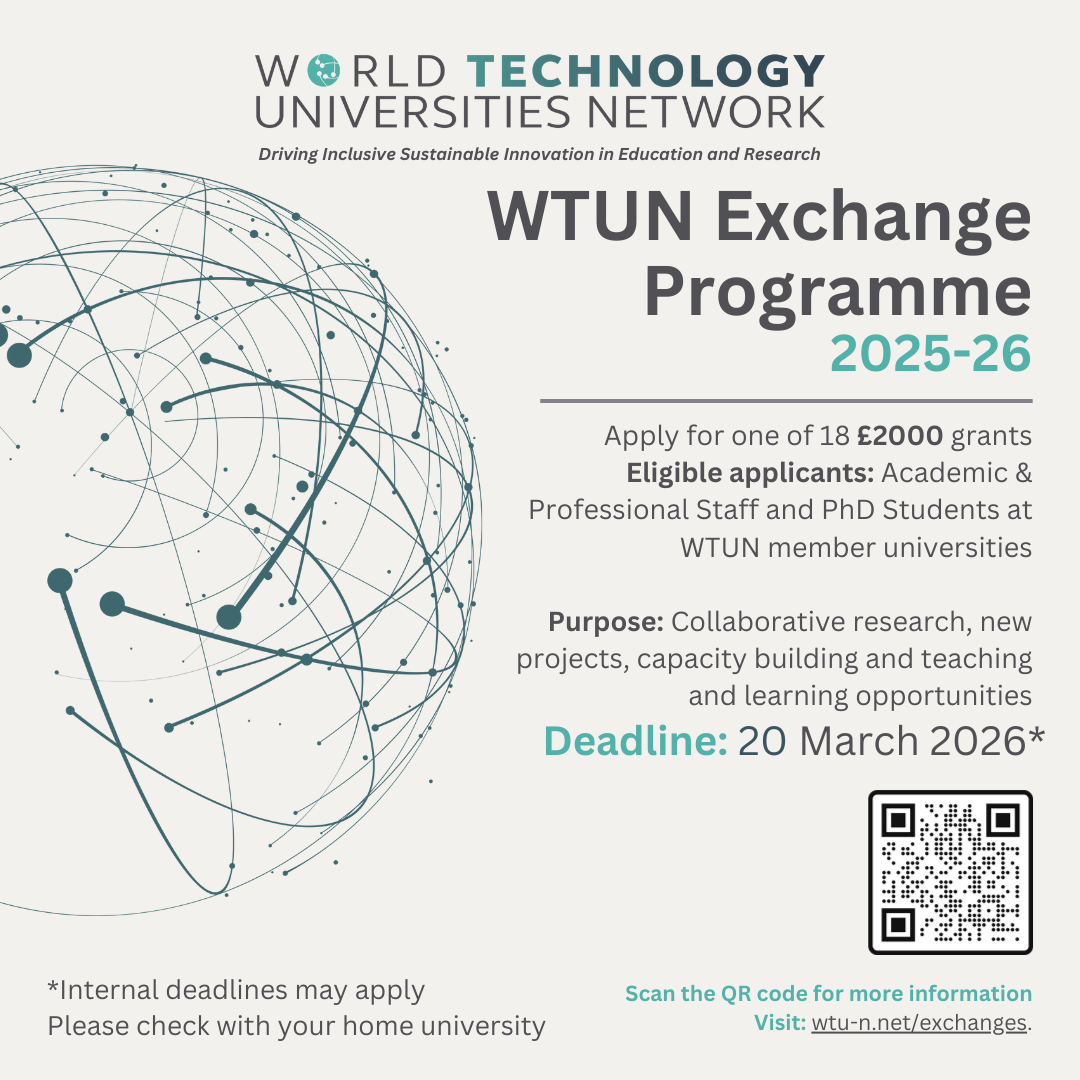
Three weeks left to apply for this year’s WTUN Exchange Programme- Apply by 20 March 2026


There are 18 grants available of £2000 each for staff (academic and professional services) and PhD students to visit another member institution. Exchanges are open to new projects, initiatives and teaching and learning opportunities as well as those that have been involved in previous rounds and wish to utilise the funds to continue their work.

This year we encourage exchange proposals linked to the WTUN focus areas of:

  • Gender Equality

  • Innovation and Entrepreneurship.

  • Good Health and Wellbeing

  • Quality Education

  • Sustainable Cities and Communities

  • Responsible Consumption and Production

  • Climate Action

  • International collaboration between HE institutions

However, all proposals will be considered equally.

As in previous years, we  encourage applications which specifically seek to develop further international activities (joint modules, summer schools, joint research bids).

There will be a two-proposal limit per member institution and therefore all proposals must be approved by the sending/lead institution’s Operational Board Member.  We would love to see applications from across our entire membership and so would like to encourage applications from member institutions yet to take part in the WTUN Exchange Programme.

Go to https://www.wtu-n.net/exchanges/ for further information and to download ‘WTUN Exchange Programme Proposal and Agreement Form 2025-26’

Deadline for applications: 20 March 2026*

*Internal deadlines may apply, applicants are encouraged to contact their institutions Operational Board Member for details.


Reminder for all students:

The WTUN Student Competition is Open!

We are seeking new sustainable and innovative, technological solutions to address the goals, and we invite project proposals from student teams (undergraduate, postgraduate or a combination and preferably multi-disciplinary).

We invite students to submit ideas in the form of a proposal and short video that will be assessed by our panel of judges.

Winning Entries:

Winning teams (prize per team member to max team size of 4) will receive:

1st place: £300  

2nd place: £150

3rd place: £100

In addition, the winning team will be invited to present their winning idea, virtually, at WTUC 2025. The winning team will present their project to delegates as part of the Congress programme.

For more information and to apply – www.wtu-n.net/student-competition


Save the Date:

WTUN Gender Equity Workshop

hosted by King Mongkut’s University of Technology Thonburi

Friday 13 March 2026 09.00 (GMT) / 16.00 (ICT)

Join us for an online workshop dedicated to Gender Equity in Higher Educations. Guests and WTUN members will show and share their best practices to support gender equity for both staff and students in their institutions.

Speakers and registration information will be shared soon.

Thanks to KMUTT for organising this event.


University of Applied Sciences Upper Austria


Innovation Week 2026: A flagship project for combining theory and practice in higher education.


The brightest minds from Upper Austria’s universities are working on practical “innovation challenges.”

Companies are constantly challenged to remain competitive in the market with innovative products and services. Often, an outside perspective can provide the decisive idea. During Innovation Week, launched by the University of Applied Sciences Upper Austria in 2015, master’s students from all four schools, as well as from other regional universities, work on real-life tasks set by companies. “Preparing young people for real business practice is a real USP of our university,” says Isolde Perndl, Managing Director of the University of Applied Sciences Upper Austria, summing up the strength of the format.

More info (English version coming soon) here


Successful 15th Conference on Industrial Computed Tomography (iCT)

From in-situ investigation, multi modal and spectral CT to metrology: more than 200 experts from industry and science gathered at the Linz Campus of the University of Applied Sciences Upper Austria from February 10-13 to exchange information, learn about the latest research results and applications of industrial computed tomography (iCT), and network. This year’s 15th iCT Conference focused on non-destructive testing, 3D materials characterisation as well as dimensional measurement.

More news following this event will be published here


University of Bradford

Read the newly published Research Blogs from across the University of Bradford’s Research, Innovation and Business community.

The University of Bradford’s newly launched Research Blog provides insights from across the University of Bradford research community. The University will publish a new blog every two weeks.

Read more via the links below to see how the University is making a difference through research.

Raynaud’s – More Than Just Cold Hands

Insights from research in Ukraine


Do you know someone in your university who would be interested in this newsletter? Forward the email to colleagues or share the link with your networks. 


All members are invited to contribute to this newsletter through their Operational Board Member (found here). Please contact your Operational Board member with stories or events which will be of relevance to the shared vision and commitments of the WTUN and its members, inspiring opportunity for engagement on commonalities, sharing knowledge, or collaboration.

All calls for content can be shared with the WTUN Secretariat at wtun@bradford.ac.uk. 


To discuss joining the World Technology Universities Network, please contact the WTUN Development Manager:
Denise Whitehead
Email: wtun@bradford.ac.uk


WTUN Newsletter – Special Edition for International Day of Women and Girls in Science.

February 2026

Welcome to a very special edition of the WTUN Newsletter in celebration of International Day of Women and Girls in Science.

Together we have compiled stories and accounts from across the World Technology Universities Network; sharing the achievements, ambitions and successes of women researchers, staff and students from a wide-range of STEM related disciplines

Thank you to all of the contributions that made this special edition possible. We hope you enjoy reading.



Background

A significant gender gap has persisted throughout the years at all levels of science, technology, engineering and mathematics (STEM) disciplines all over the world. Even though women have made tremendous progress towards increasing their participation in higher education, they are still under-represented in these fields.

Gender equality has always been a core issue for the United Nations. Gender equality and the empowerment of women and girls will make a crucial contribution not only to economic development of the world, but to progress across all the goals and targets of the 2030 Agenda for Sustainable Development, as well. On 20 December 2013, the General Assembly adopted a resolution on science, technology and innovation for development, in which it recognized that full and equal access to and participation in science, technology and innovation for women and girls of all ages is imperative for achieving gender equality and the empowerment of women and girls.

Did you know?

  • Globally, young women are more likely than young men to pursue higher education—46% enroll within five years of completing secondary school, compared with 40% of men—yet women make up only 35% of science graduates.
  • Fewer than 2% of applicants for jobs in the quantum sector are women—just one in 54. Moreover, 80% of quantum companies reportedly have no senior female leaders.
  • Out of thousands of scientific articles in water-related disciplines, fewer than 100 addressed both gender or women and hydrology. In 2022, nine of the top 21 hydrology journals published no articles referencing gender, while the rest published only one to 14.
source- https://www.un.org/en/observances/women-and-girls-in-science-day


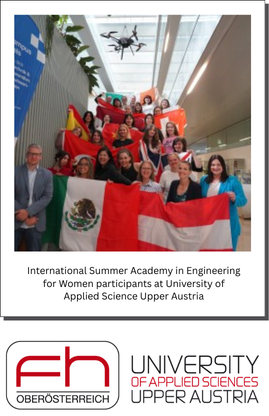
The University of Applied Science Upper Austria has hosted theirInternational Summer Academy in Engineering for Women” (ISAE4W) for 12 years. ISAE4W is an initiative to foster female participation in Engineering/STEM studies.

Aimed at Female Engineering students aged 18-25, past programmes have included exclusive insights into the world of hydropower, space technology, ethical and sustainable product design, Internet of Things for astronomical observations, current projects in medical technology and robotics.


So far ISAE4W has:

👩‍🎓 240 graduates

🌍 50 represented countries

🏫 90+ different institutions


fh-ooe.at/en/campus-wels/international-summer-academy-in-engineering-for-women


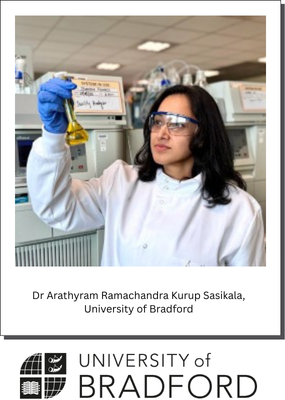
Dr Arathyram Ramachandra Kurup Sasikala, Assistant Professor in the Faculty of Health and Social Care at the University of Bradford is leading a project to develop an exciting new technology using nanotechnology with healing properties, known as ‘piezoelectroceutics’.

She was awarded £2.2 million as part of a four-year UKRI Future Leaders Fellowship to focus on bone healing – a major health challenge, especially in older people, which costs the NHS billions of pounds per year to treat.

Dr Sasikala’s previous research has included using nanoparticles for cancer treatment and smart biomedical devices, and in this case the technology is an injectable gel-based implant which can generate electrical signals without any batteries or power supply, getting the energy it needs to function from the normal movement of the body. The technology works like the body’s own healing processes that use electricity, and augments them to accelerate bone healing, meaning there is no need for surgical interventions.

Dr Sasikala will spend time with project partners in the UK and USA to learn from their specific areas of expertise, and will be organising workshops and meetings to share the ideas behind piezoelectroceutics with the goal of inspiring others to get involved with this new field of research.


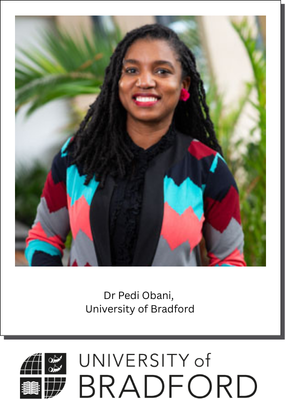
Dr Pedi Obani, Associate Professor in the School of Law, was awarded Future Leaders Fellowship status in 2024 by the UK Research and Innovation (UKRI) funding body, receiving £1.28 million in funding for a four-year project to develop frameworks for gender-inclusive climate change governance through collaborative approaches.
This work addresses how women in countries affected by extreme weather caused by climate change are disproportionately affected, for example having to spend more time on tasks such as collecting water or caring for relatives; they are also mainly excluded from the decision-making process.

The research is taking place in Nigeria, South Africa and Kenya, with a base in each country including a postdoctoral researcher with local knowledge and cultural awareness gathering the experiences of women and their priorities for climate action.

This project is also exploring how women can be part of the solution in terms of equal political and legal representation. The aim is to not only highlight the demand for justice, but to create opportunities that enable female lawyers to take on and represent climate cases.

As part of the project, the University of Bradford hosted the Climate Justice for Women conference in November 2025.
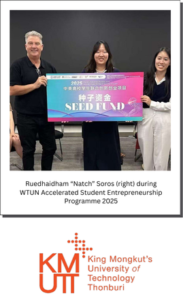

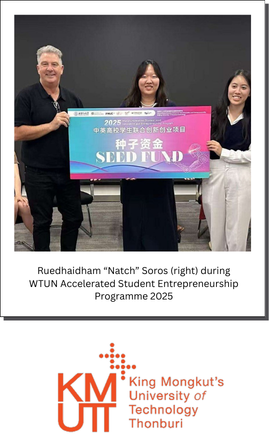
Learning, Leading, Building: Ruedhaidham Soros and the Rise of a New Generation of Women in Science

Ruedhaidham “Natch” Soros is a young technology entrepreneur whose career began long before graduation. An alumna of the International Computer Engineering Programme at King Mongkut’s University of Technology Thonburi (KMUTT), she represents a new generation of women in science who learn, build, and lead simultaneously. While pursuing a demanding engineering degree, she balanced rigorous coursework with hands-on projects, leadership roles, and early-stage startup development.

As a recipient of the Saet Lueang Rueang Rung Leadership Scholarship* and The Royal Award for Outstanding Higher Education Student, Natch developed a service-oriented leadership mindset through entrepreneurship initiatives and international programmes, including the WTUN Accelerated Student Entrepreneurship Programme in the UK and China.

During her university years, she co-founded two EdTech startups, with Eduvice receiving funding from Thailand’s Ministry of Higher Education, Science, Research and Innovation. Following support from the WTUN Accelerated Student Entrepreneurship Programme, she later co-founded PATHWAY, an internationally oriented EdTech venture connecting young people with mentors and clearer learning pathways, supported by the WTUN and the University of Bradford.

Today, Natch serves as Senior Founder’s Associate and Entrepreneur-in-Residence at SEA Bridge, a venture-building firm, while continuing as CEO and Co-Founder of Eduvice and PATHWAY.

* [Saet Lueang Rueang Rung Leadership Scholarship] “Saet Lueang Rueang Rung Leadership Scholarship” is a prestigious grant from King Mongkut’s University of Technology Thonburi (KMUTT). It is awarded to students with outstanding potential in both academics and specialized talents. The scholarship is named after the university’s official colors (Orange and Yellow).”
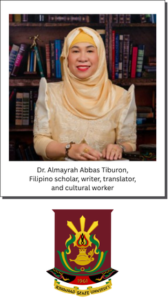


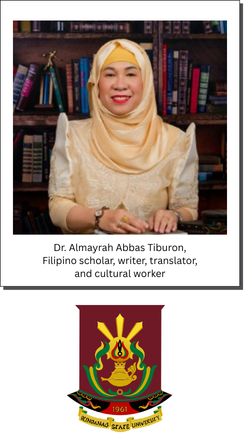
Dr. Almayrah Abbas Tiburon is a Filipino scholar, writer, translator, and cultural worker whose academic and creative work bridges research, literature, and indigenous knowledge, demonstrating how scientific inquiry in the social sciences can emerge from culture, language, and lived experience.

A faculty member of the Department of Filipino and Other Languages at Mindanao State University and Director of the MSU Sentro ng Wika at Kultura, her scholarship foregrounds Meranaw culture, women’s narratives, and the intersections of war, peace, and identity as critical sites of knowledge production. Her research includes studies on women’s strength amid social adversity, parenting practices in literature, supremacist ideology in contemporary poetry, and policy analysis for Lake Lanao, reflecting an interdisciplinary approach that connects literary studies, social science research, and community-based knowledge.

Alongside academic research, Dr. Tiburon has authored and edited award-winning books, many recognized by the National Book Awards and featured by CNN Philippines, the Cultural Center of the Philippines, and international literary journals. A two-time recipient of the Gawad Ongangen and a national “Kampeon ng Wika 2024” awardee of the Komisyon ng Wikang Filipino, she was also named among the “10 Noteworthy Filipina Writers” by Spot.ph. Through research, teaching, and writing, Dr. Tiburon advances the visibility of Meranaw knowledge systems and affirms women’s voices—especially those of women and girls—as essential to science, scholarship, and social transformation.
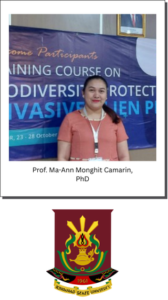


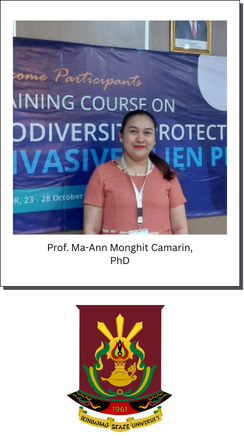
Prof. Ma-Ann Monghit Camarin, PhD, stands out as a dedicated and accomplished woman scientist making significant strides in the field of fisheries and aquatic sciences. With a Ph.D. from the University of the Philippines and a strong academic background maternal to her leadership role as College Dean at Mindanao State University, she has continually advanced knowledge in aquaculture, water quality, and microbiota research.

Her pioneering work on biofloc technology has contributed to sustainable aquaculture practices, addressing vital concerns about environmental impact and food safety.

As an active researcher with numerous publications and ongoing projects, she has earned recognition through prestigious scholarships and research grants, including those from the International Foundation for Science and the Department of Science and Technology. Her commitment extends beyond research, she serves in professional organizations like the Asian Fisheries Society, advocating for innovation and sustainability.

Dr. Camarin’s achievements exemplify how women in science can lead transformative change, inspiring future generations to pursue excellence in pursuit of global food security and environmental stewardship.


Galey Mae L. Dela Torre, a third-year BS Biology student of Mindanao State University exemplifies the strength and promise of young women in science. In 2025, she represented MSU and the Biology Department at the United Nations Sustainable Development Goals (SDG) Youth Convergence in Puerto Princesa City, Palawan, held during the 10th anniversary of the UN SDGs.

As an awardee of the Global Youth Mobilization – Youth Empowerment Fund, Galey presented her project “Panagtagbo sa Kinaiyahan: Youth and Indigenous Action for Climate Resilience,” which highlights the integration of scientific inquiry, indigenous knowledge, and community-based climate action. Beyond her scientific engagement, Galey is also a photojournalist of the Mindanao Varsitarian, where her photographs have been widely used to document significant events in MSU, amplifying student voices and institutional milestones through visual storytelling.

Her dual role as a scientist and communicator underscores the importance of making science visible, accessible, and meaningful.
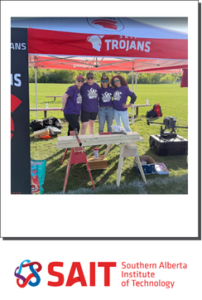


Beyond the First Flight

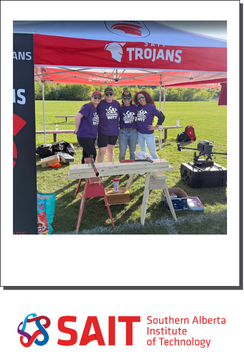
The moment three women stepped into instructor roles for heavy-lift, long-range drones in Canada marked a shift—but it was never meant to be the destination. At CIRUS, that milestone became the foundation for what continues to grow.

Today, female drone operators and instructors at CIRUS are deeply embedded in daily operations, research support, and advanced training. Our work spans mission design, flight instruction, safety-critical decision-making, and the integration of drone data into environmental and applied research. What was once considered exceptional has become operational reality.

Equally important is how this work extends beyond the flight line. Through mentoring students, participating in Girls in Aviation Day, and contributing to women in trades and technology initiatives, we actively sustain the pathway that milestone opened. Visibility is reinforced through action—by teaching, leading, and showing up consistently in technical spaces.

Being first mattered. Continuing to lead, train, and expand opportunities are what defines the work now. At CIRUS, women are not entering the field temporarily—we are shaping its present and future.

Read more about Stephanie Lapointe (BGIS ’17), Sara Ashoori (BGIS ’20), and Bryanna Paquette (Pro Remotely Piloted AC System ’21):

www.sait.ca/link/stories/2023/05/sait-grads-take-careers-to-new-heights
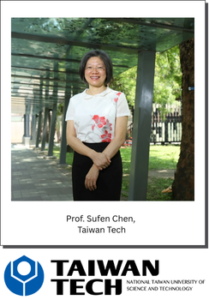

From Physics to AI: Professor Sufen Chen Inspires Women in Science.

Sufen Chen, Chair Professor of the Graduate Institute of Digital Learning and Education at Taiwan Tech, was honored with the 2025 Future Tech Award for her innovative research in educational technology. Together with Professors Hou-Chiang Tseng and Kuan-Yu Chen, she developed the Intelligent Oral Expression Assistance System, an AI-driven platform that gives students real-time, personalized feedback on presentations.

By evaluating content, speech rate, omissions, and emotional expression, the system allows students to practice independently, strengthen communication skills, and prepare for professional and intercultural settings. Featured at this year’s Education Technology Exhibition, it highlights how AI can cultivate future-ready talent. A passionate advocate for women in STEM, Prof. Chen founded the Society of Women Engineers in 2023, creating a community to support and inspire female engineers and researchers.

Originally trained in natural sciences, she earned her BS and MS in physics from National Taiwan University before shifting her focus to education, completing a PhD in science education at Indiana University–Bloomington. Her research spans science education, technology-enhanced learning, metacognition, achievement emotions, and social media.


 Professor Pei-Jun Lee’s Award-Winning Research in Sparse Neural Network Acceleration

Professor Pei-Jun Lee of the Department of Electronic and Computer Engineering at Taiwan Tech has long focused on a central challenge in artificial intelligence: how to deliver high performance while drastically reducing energy consumption in power-constrained environments. Her latest research provides a decisive answer—and has earned her team the Taiwan Future Tech Award.

Leading a research team at her Video Signal Processing and Application Lab, Professor Lee developed a high-area-efficiency, low-voltage sparse neural network accelerator designed for edge computing. The key innovation is a two-stage pruning technique that compresses model parameters to just 0.47% of their original size, significantly reducing data and memory requirements while preserving performance. The accelerator operates reliably at 0.65V and 400MHz, achieving 10–40% higher energy efficiency than comparable architectures and reducing overall chip power consumption by 30%, extending system endurance by approximately 10%.

These capabilities make the technology particularly well suited for low Earth orbit satellites, unmanned aerial vehicles, and other power-limited platforms, as well as applications in smart agriculture, environmental monitoring, national defense, and disaster early warning. Since joining Taiwan Tech in 2008, Professor Lee has established an internationally recognized research profile in wireless communication, embedded systems, and signal processing, advancing the future of efficient edge and space technologies.


Memory and Craftsmanship: Taiwan–Indonesia Student Team Wins at Asia-Pacific Red Dot Awards

Two Taiwan Tech design students have captured top honors at the Asia-Pacific Red Dot Awards—often hailed as the “Oscars of the design world.” LAI Yi-Hui (Indonesia) and HSIAO Chung-Wen (Taiwan) received the Best of the Best award in the Design Concept category for their book project Memory and Craftsmanship.

The project examines the traditional art of natural mud dyeing through three lenses: the memory of the land, the spirit of craftsmanship, and the transmission of skills. Organized into five color-themed chapters—gray, indigo, cinnabar, persimmon, and brown—the book weaves together patterns, dyeing techniques, and contemporary applications. Its hand-dyed mud-fabric cover preserves natural folds and textures, transforming the book itself into a tactile record of a fading craft.

By digging deep and returning to the fundamentals of the craft, LAI and HSIAO trained with master artisans and took part in every step of the process—from dyeing and drying to unfolding the fabric. LAI shared, “Coming from Indonesia, with its rich batik tradition, this project was a rare and meaningful opportunity to learn deeply about Taiwanese culture—and I’m proud to help preserve this traditional craft.”
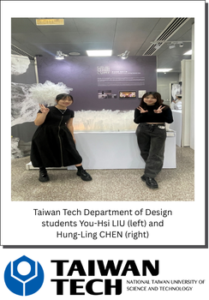


Red Dot Award–Winning Project Lume: Taiwan Tech Students Reimagine Funeral Design

Taiwan Tech design students You-Hsi LIU and Hung-Ling CHEN have received a Red Dot Design Concept Award for their project Lume, which rethinks how contemporary funeral rituals can be both meaningful and sustainable.

In Lume, LIU and CHEN transform the floral seas and wreaths traditionally seen at funerals into a memorial installation. Using a modular design approach, the project integrates lighting and floral elements that can be rearranged and reused, significantly reducing waste. Sustainability is central to the concept, while the design focuses on helping families form a more personal and reflective farewell. In doing so, Lume points toward new possibilities for the future of funeral practices in Taiwan.

During the development process, the students became aware of Taiwanese society’s reluctance to openly discuss death—an insight that further strengthened their commitment to the project. “We are deeply grateful to the funeral service providers, our professors, and everyone we interviewed for their guidance,” they shared. “We are very happy about the award, which encourages us to explore new ways of commemorating life through funeral rituals.”
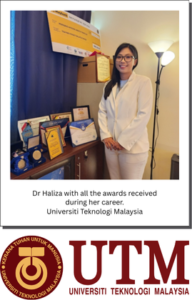


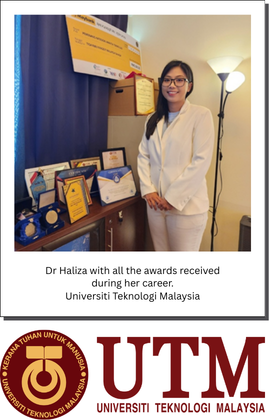
The journey of Ts. Dr. Nur Haliza Abdul Wahab illustrates the profound impact of science when driven by vision and purpose. As the Head of the Pervasive Computing Research Group (PCRG) at Universiti Teknologi Malaysia, she leads research in Blockchain, Artificial Intelligence, Quantum Computing, the Internet of Things, and Augmented Reality. Her efforts align with Industry 4.0 and Malaysia’s digital transformation agenda. Securing over RM2.7 million in research funding and overseeing numerous high-impact projects, Dr. Nur Haliza exemplifies strategic scientific leadership.

Beyond the laboratory, her influence is significant. As a Subject Matter Expert for the National Blockchain and Artificial Intelligence Committee under MOSTI, she connects academic research with policy and real-world applications. Her consultancy roles with government and industry further bridge this gap. Central to her mission is mentorship, fostering confidence, curiosity, and resilience among doctoral and master’s researchers.

Nur Haliza’s contributions to technology and society earned her the Ibu Zain Award 2025 in Technology, celebrating women making significant impacts. Balancing roles as an academic, researcher, and mother, she embodies inclusive leadership while maintaining scientific integrity. Her story underscores that science encompasses innovation, discovery, leadership, creativity, and paving the way for others to succeed.
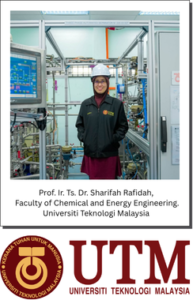


From a Young Visionary to a Pioneer in Engineering 🧪✨

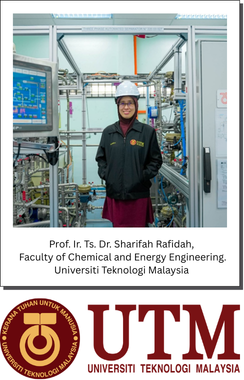
Meet Prof. Ir. Ts. Dr. Sharifah Rafidah from the Faculty of Chemical and Energy Engineering. She is a true trailblazer who proved that engineering isn’t just a man’s world. At age 30, she became a pioneer Professional Engineer at UTM, showing everyone that skill and determination matter far more than gender.

For Prof. Sharifah, STEM is more than just a job; it is a lifelong journey of discovery. She loves the challenge of fixing real-world problems, from managing energy to protecting our environment. Today, she has moved from breaking stereotypes to mentoring the next generation of women engineers.

Her advice for the future? Don’t just look for shortcuts. In a world full of AI, she believes the real value lies in thinking for yourself and truly understanding how things work. She even walks the talk by recently getting certified as an Energy Auditor just to stay sharp and relevant.

Her message to young women is simple: get your qualifications, stay curious, and use your talents to help society. By closing the gender gap and aiming for excellence, women don’t just adapt to the future, they shape it.

Happy International Day of Women and Girls in Science!
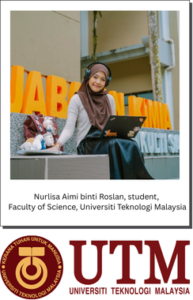


From Vision to Impact: Redefining STEM 🧪✨

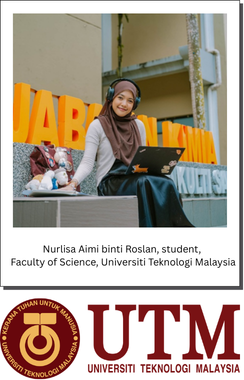
Meet Nurlisa Aimi binti Roslan from the Faculty of Science. As a student navigating the world of STEM, she believes that true mastery goes far beyond just getting good grades. For Nurlisa, the real challenge isn’t memorizing facts, but truly understanding the “why” behind the knowledge.

What keeps her going during the tough times? It is a deep sense of gratitude. She sees her education as a privilege and finds strength in the realization that many others dream of having the same opportunity. This hunger for success and her grateful heart are what keep her moving forward whenever things get difficult.

Her vision for the next generation is all about balance. While technology is everywhere, Nurlisa encourages her peers to rely less on AI and instead seek a broader spectrum of knowledge. She believes that the best lessons aren’t always written in ink; they are often found through real-life experiences and the connections we make with others.

By staying grounded and curious, students like Nurlisa are proving that the future of STEM is in good hands.
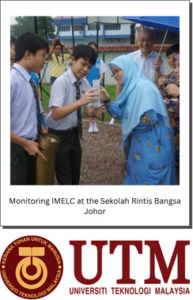


Prof. Fatin Aliah: Shaping Inclusive STEM Education

Prof. Dr. Fatin Aliah Phang Abdullah a Professor at the School of Education, Faculty of Social Sciences and Humanities, Universiti Teknologi Malaysia, she is also a Fellow at the Centre for Engineering Education (CEE).

Prof. Fatin Aliah is a pioneer in education, viewing it as a tool for systemic change rather than just knowledge transfer. As a Professor at the School of Education, Faculty of Social Sciences and Humanities at Universiti Teknologi Malaysia, and a Fellow at the Centre for Engineering Education, she actively influences how STEM is taught and perceived within educational systems.

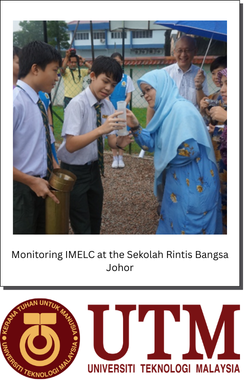
Her research covers Physics, Engineering, STEM, and Environmental Education, fields essential for national growth and sustainability. What sets her work apart is its practical application. Prof. Fatin Aliah plays a crucial role in enhancing the STEM framework for the Sekolah Rintis Bangsa Johor initiative. Her efforts focus on curriculum design, innovative teaching methods, and teacher training, ensuring STEM education is robust, relevant, and future-ready from the school level onwards.

In 2025, she was elected as a Fellow of the Academy of Sciences Malaysia, recognising her sustained contributions to science and education. Beyond accolades, she is a strong advocate for increasing women’s participation in STEM, tackling structural barriers through research, mentorship, and leadership. Prof. Fatin Aliah excels at linking evidence, policy, and practice, crafting an inclusive and future-ready STEM education landscape.


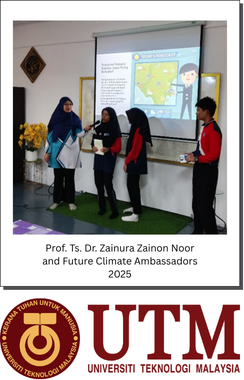
Prof. Ts. Dr. Zainura Zainon Noor leads climate and water solutions through science, public policy, and global leadership.

Prof. Ts. Dr. Zainura Zainon Noor, FASc is a nationally and internationally recognised environmental scientist specialising in environmental sustainability, water security, and green technology. With more than two decades of experience, she currently serves as the Director of the Centre for Environmental Sustainability and Water Security (IPASA) at Universiti Teknologi Malaysia (UTM), leading interdisciplinary research on climate resilience, sustainable water systems, and environmental governance.

A Fellow of the Academy of Sciences Malaysia (ASM), Prof. Zainura is the Chair of the ASM Environment Committee, providing science-based leadership to support national policy development on environmental sustainability and planetary health. She also serves as the Environment Working Group Chair for Science Outlook 2025, contributing strategic foresight and evidence-based assessments to strengthen Malaysia’s science, technology, and innovation agenda, and is actively involved in the Water Sector Transformation 2040 (AIR 2040) initiative.

In governance, Prof. Zainura is a Commissioner of the National Water Services Commission (SPAN) and Chair of the SPAN Technical Committee, contributing scientific expertise to the regulation of Malaysia’s water and sewerage sector. Internationally, she is an ASEAN–U.S. Science and Technology Fellow and a co-investigator of the UKRI Global Challenges Research Fund Water Security Hub.

Her commitment to education, mentoring young researchers, and climate education for schools reflects the vital role of women in science in shaping a more sustainable and resilient future.


Happy International Day of Women and Girls in Science

2026


Do you know someone in your university who would be interested in this newsletter? Forward the email to colleagues or share the link with your networks. 


All members are invited to contribute to this newsletter through their Operational Board Member (found here). Please contact your Operational Board member with stories or events which will be of relevance to the shared vision and commitments of the WTUN and its members, inspiring opportunity for engagement on commonalities, sharing knowledge, or collaboration.

All calls for content can be shared with the WTUN Secretariat at wtun@bradford.ac.uk. 


To discuss joining the World Technology Universities Network, please contact the WTUN Development Manager:
Denise Whitehead
Email: wtun@bradford.ac.uk


WTUN Newsletter – January 2026

Welcome to the first edition of the WTUN newsletter in 2026; featuring a roundup of news, updates and events happening across the network.

Below you will read about the 2025-26 WTUN Exchange Programme, this year’s Student Competition and news from our members across the globe; including a call for research collaborations in the areas of dual-use technologies in advanced materials, manufacturing systems, artificial intelligence, and robotics to discussions on potential opportunities from member’s Southern Alberta Institute of Technology.

As always, if you would like to share news, updates, events or milestones via this newsletter, then please contact wtun@bradford.ac.uk.


The World Technology Universities Network Exchange Programme 2025-26 launched before Christmas. There are 18 grants available of £2000 each for staff (academic and professional services) and PhD students to visit another member institution. Exchanges are open to new projects, initiatives and teaching and learning opportunities as well as those that have been involved in previous rounds and wish to utilise the funds to continue their work.

This year we encourage exchange proposals linked to the WTUN focus areas of:

  • Gender Equality

  • Innovation and Entrepreneurship.

  • Good Health and Wellbeing

  • Quality Education

  • Sustainable Cities and Communities

  • Responsible Consumption and Production

  • Climate Action

International collaboration between HE institutions

However, all proposals will be considered equally. As in previous years, we encourage applications which specifically seek to develop further international activities (joint modules, summer schools, joint research bids).

There will be a two-proposal limit per member institution and therefore all proposals must be approved by the sending/lead institution’s Operational Board Member.  We would love to see applications from across our entire membership and so would like to encourage applications from member institutions yet to take part in the WTUN Exchange Programme.

Go to https://www.wtu-n.net/exchanges/ for further information and to download ‘WTUN Exchange Programme Proposal and Agreement Form 2025-26’

Deadline for applications: 20 March 2026*

*Internal deadlines may apply, applicants are encouraged to contact their institutions Operational Board Member for details.


The WTUN Student Competition is Open!

We are seeking new sustainable and innovative, technological solutions to address the goals, and we invite project proposals from student teams (undergraduate, postgraduate or a combination and preferably multi-disciplinary).

We invite students to submit ideas in the form of a proposal and short video that will be assessed by our panel of judges.

Winning Entries:

Winning teams (prize per team member to max team size of 4) will receive:

1st place: £300  

2nd place: £150

3rd place: £100

In addition, the winning team will be invited to present their winning idea, virtually, at WTUC 2025. The winning team will present their project to delegates as part of the Congress programme.

For more information and to apply – www.wtu-n.net/student-competition 


Hamm-Lippstadt University of Applied Sciences

Hamm-Lippstadt University of Applied Sciences

HSHL Summer School “The Business of German Engineering”

We are currently preparing our HSHL Summer School “The Business of German Engineering”. The two-week program starts on July 12th, 2026. The Summer School is welcoming everyone who is enrolled at a university at the time of the program and is interested in the fields of business and engineering. For a successful application, students need to submit proof of knowledge of the English language at B2 level.

https://summerschool.hshl.de/

The total fee for the Summer School is 1’800€, which covers all lectures, company visits, accommodation, socio-cultural activities and transportation within the program. Travel costs are not included. HSHL offers a limited number of scholarships. Students can either apply for a full scholarship (1’800€) or for a partial scholarship that covers 50% of the total costs (900€).

Selected partner universities are entitled to send a limited number of their students with scholarships to the Summer School.

Please find enclosed this years HSHL_Summer School Flyer_2026 for additional information.

For any request contact either Kathrin Köhlinger (International Office, kathrin.koehlinger@hshl.de) or Prof. Christoph Harff (christoph.harff@hshl.de)

We are looking forward to welcome your students here at Hamm-Lippstadt University of Applied Sciences!


Southern Alberta Institute of Science and Technology


Applied Research and Innovation Services (ARIS):

Centre for Innovation and Research in Advanced Manufacturing and Materials (CIRAMM)

November 2025 marked five years of operations for the Centre for Innovation and Research in Advanced Manufacturing and Materials (CIRAMM) in the Applied Research and Innovation Services (ARIS) hub at the Southern Alberta Institute of Technology.  Today, CIRAMM includes five integrated labs that are well positioned to respond to all points of the innovation cycle and reflect $16M+ invested in capabilities unique across western Canada. This anniversary coincided with SAIT being recognized as the fourth top polytechnic in a ranking of Canada’s Top 50 Research Colleges while also celebrating 20 years of Applied Research and Innovation Services.

This past fall, CIRAMM’s research chair, Dr. Hamid Rajani, along with Wade Hawkins, the research chair from the Centre for Innovation and Research in Unmanned Systems at SAIT, attended the Unlocking Horizon Europe and Czech R&D Trade Mission in Prague and Eastern Czechia. The aerospace and defence focused mission aimed to develop Canadian and Czech innovation ecosystems relations while facilitating collaboration on emerging research project collaborations.

Call for potential research collaborations:

With the 2026 NATO DIANA cohort announced in December, as one of 13 Canadian NATO DIANA testing centres, the Centre for Innovation and Research in Advanced Manufacturing and Materials (CIRAMM) invites international collaborators exploring dual-use technologies in advanced materials, manufacturing systems, artificial intelligence, and robotics to discussions on potential opportunities.

CIRAMM is currently participating in a Horizon Europe proposal invited to submit a full proposal and welcomes future collaboration opportunities through the program. Areas of interest and expertise include advanced materials, novel applications of industrial robotics, and advanced manufacturing technologies.

Academic news:

AI-Driven Learner Pathways: SAIT and APAS Collaboration

The Southern Alberta Institute of Technology (SAIT) is advancing an applied artificial intelligence project in partnership with the Alberta Post‑Secondary Application System (APAS). Through this initiative, students from the School for Advanced Digital Technology (SADT) are contributing to the development of an AI‑enabled proof of concept designed to support personalized and transparent educational planning. The system integrates program requirements, transfer routes, and labour‑market insights to produce tailored learner pathways. This collaboration reflects SAIT’s commitment to digital transformation, applied research, and enhanced access to post‑secondary education.

AI Transformation Hub and Evolving Digital Pedagogy

SAIT continues to build institutional capacity in artificial intelligence through its AI Transformation Hub, where faculty explore responsible AI use across curriculum design, assessment, and instructional workflows. Initiatives including structured Tip Trade sessions and curriculum refresh efforts support experimentation with emerging technologies and the development of new digital‑teaching models. The resulting “New Classroom” approach emphasizes interactivity, industry relevance, and the integration of future‑skills training across programs.

Strengthening Education Pathways Across the Caribbean

SAIT has expanded its international engagement through recent activities in Barbados, Jamaica, Trinidad and Guyana. Students, families, and counsellors participated in information sessions focused on the applied‑technology approach SAIT is globally recognized by. These conversations highlighted strong interest in cyber security, software development, media production, data analytics and IT service programs. The visits also supported closer relationships with regional post-secondary institutions and contributed to developing future student‑mobility pathways.

Developing Early Digital Skills Through Youth Initiatives

SAIT’s Youth Initiatives Digital Foundations program introduces learners in grades 7–12 to key areas including software development, artificial intelligence, data analytics, cybersecurity, media technology, and digital design. Delivered through applied, instructor‑led sessions, the program supports the development of early digital literacy and strengthens future‑skills pipelines for Alberta’s technology sector. This initiative creates opportunities for young learners to explore post‑secondary pathways connected to emerging fields.

SAIT’s Tech CAPCON

December 2025, marked another successful SAIT Tech CAPCON, continuing to strengthen SAIT’s profile in applied digital education through strong industry partnerships and practical learning experiences. Students demonstrate the outcomes of applied learning through their multi‑disciplinary capstone showcase featuring work from programs in software development, information systems security, artificial intelligence, data analytics, film and video production, interactive design, and IT services. Students present solutions to industry representatives and community stakeholders, demonstrating workforce‑ready skills and the collaborative nature of SAIT’s educational model.


University of Applied Sciences Upper Austria

FH Upper Austria shows how circular economy practices can help schools in Ethiopia and Ghana become cleaner and more self-sufficient

Model schools are intended to raise hygiene standards in African educational institutions. Improving living conditions across the African continent is in everyone’s best interest. The hygiene situation in schools plays a key role in health, performance, and ultimately economic well‑being. It’s about things that are taken for granted in Europe: washing hands, access to functioning toilets, and menstrual products. At the Wels Campus of FH Upper Austria, a team is working with partner universities in Ethiopia and Ghana o design model schools that operate autonomously through circular‑economy principles and provide students with a cleaner, healthier environment.

Read More

FH Upper Austria shines in the master’s ranking of the renowned Center for Higher Education Development (CHE)

Top marks once again for the Engineering degree programs at the University of Applied Sciences Upper Austria in Wels.

Anyone wishing to pursue a master’s degree in science and technology would be well advised to do so at the School of Engineering of the University of Applied Sciences Upper Austria – according to the latest ranking by the renowned German “Center for Higher Education Development” (CHE). Wels Campus received top ratings of more than 4.5 out of 5 stars, particularly in the areas of teaching quality, research orientation, student support, and study organization. Specifically, the Master’s degree programs “Materials and Process Engineering”, “Lightweight Design and Composite Materials” and “Mechanical Engineering” were included in the CHE university ranking for master’s programs this time around.

Find out more 


Short Term Programmes at FH Upper Austria (Apply Now)

International Teaching Days in Business and  Management

About the Event

Date: 18th – 20th May 2026

Target Audience: Academics teaching in relevant fields/ Researchers/ Students from different study levels/ Non-teaching staff

Language: English

Participation Fee: Free of charge for teaching attendees and students; 150 EUR participation fee for non-teaching staff

Location: University of Applied Sciences Upper Austria – Steyr Campus

The deadline for application is February 15th, 2026. The selected candidates will receive a confirmation mail shortly after the registration deadline.

fh-ooe.at/en/international/exchange-students/events/international-teaching-days


University of Bradford

Professor Gillian Murray appointed as University’s next Vice-Chancellor

She will take up her post in July, moving from Heriot-Watt University, Edinburgh, where she has spent nine years as Deputy Principal (Enterprise and Business).

Her expertise in driving research partnerships has resulted in Heriot-Watt doubling its research and knowledge exchange income and transforming cutting-edge research into real world impact through spearheading the university’s enterprise ecosystem.

She says: “I am very much looking forward to joining the University of Bradford. Like many universities, Bradford continues to face significant external challenges, but with a new strategy in place and new opportunities to grasp, I know that, together, we can build on its strong history to achieve our future ambitions.”

Full announcement


Do you know someone in your university who would be interested in this newsletter? Forward the email to colleagues or share the link with your networks. 


All members are invited to contribute to this newsletter through their Operational Board Member (found here). Please contact your Operational Board member with stories or events which will be of relevance to the shared vision and commitments of the WTUN and its members, inspiring opportunity for engagement on commonalities, sharing knowledge, or collaboration.

All calls for content can be shared with the WTUN Secretariat at wtun@bradford.ac.uk. 


To discuss joining the World Technology Universities Network, please contact the WTUN Development Manager:
Denise Whitehead
Email: wtun@bradford.ac.uk


WTUN Newsletter – December 2025

Welcome to the latest edition of the WTUN newsletter featuring a roundup of news, updates and events happening across the network.

Special Message: Tropical Cyclone and Severe Flooding in Thailand, Malaysia, Indonesia and Sri Lanka

On behalf of the World Technology Universities Network, we extend our sincere sympathy and solidarity to the Thaksin University community in the wake of the devastating floods affecting Songkhla and Phatthalung. For those who recently attended the World Technology Universities Congress at TSU, the unimaginable level of destruction is even more difficult to comprehend.

We commend the university’s swift and compassionate response in implementing urgent measures to support students, including tuition relief, extended payment deadlines, scholarships, and welfare initiatives. These actions reflect Thaksin University’s strong commitment to safeguarding education and caring for its community. As a global network, WTUN stands firmly beside Thaksin University. Please be assured that your colleagues across the world are keeping you in our thoughts and remain ready to provide encouragement, collaboration, and support as you work toward recovery and resilience.

Our deepest concern is for the safety and well-being of all who have been affected by these events, including Malaysia, Indonesia, and Sri Lanka.

Professor Michael Affenzeller and Dr Chawin Chantharasenawong on behalf of WTUN.


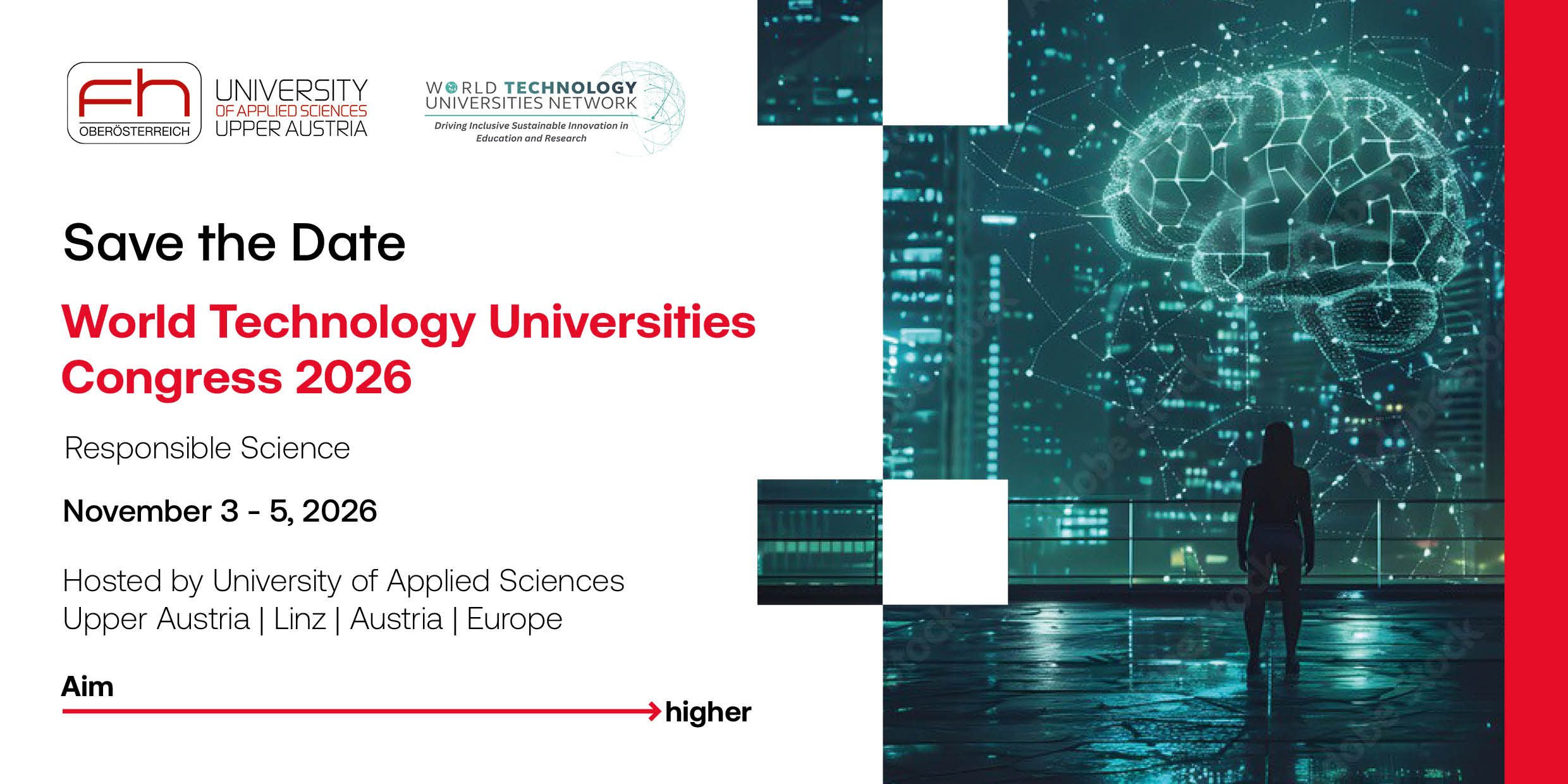
World Technology Universities Congress 2026

Save the Date!


The WTUN Student Competition is Open

We are seeking new sustainable and innovative, technological solutions to address the goals, and we invite project proposals from student teams (undergraduate, postgraduate or a combination and preferably multi-disciplinary).

We invite students to submit ideas in the form of a proposal and short video that will be assessed by our panel of judges.

Winning Entries:

Winning teams (prize per team member to max team size of 4) will receive:

1st place: £300  

2nd place: £150

3rd place: £100

In addition, the winning team will be invited to present their winning idea, virtually, at WTUC 2025. The winning team will present their project to delegates as part of the Congress programme.

For more information and to apply – www.wtu-n.net/student-competition 


Atlantic Technological University

Can a Game Really Teach Children Health Literacy?

Last week saw the launch of the EU Erasmus+ HealthCraft Project outputs, an innovative, engaging way to teach health literacy to children aged 8–12 using Minecraft Education Edition.

HealthCraft is an EU-funded Erasmus+ initiative that promotes the health & wellbeing of primary school children through education and encouraging self-awareness. The ready-to-use resources provide teachers & parents with easily accessible tools to promote healthy habits. The resources make teaching & learning fun through innovative digital and gamification techniques using Minecraft Education Worlds and bite-sized videos.

The HealthCraft project is not just about educating children on the importance of a healthy lifestyle, but it also aims to develop key competences among both children and trainers using innovative approaches. The project acknowledges that children’s eating patterns and lifestyle are influenced by several factors, and it aims to address these issues through engaging and informative methods that can help children develop healthy habits. With the contribution of training videos and video games, HealthCraft seeks to revolutionize the way we approach health education and make it an enjoyable experience for both children and trainers. More specifically, we will leverage the popularity of Minecraft to create a fun and interactive learning experience that appeals to young children aged 8-12 years during their formative years, where the learning has the most profound impact on their development.

https://healthcraft.erasmusplus.website/


University of Applied Sciences Upper Austria

New Hydrogen Research Center at FH Upper Austria

Hydrogen is considered key to a secure and climate-friendly energy future. With its newly opened H2 research center, the University of Applied Sciences Upper Austria is making a significant contribution to supporting domestic industry in implementing its projects and playing a leading role in hydrogen research. A total of €7.6 million has been invested in the infrastructure and construction of the hydrogen research center in Wels since 2023.

Read More


Student Exchange with a Twist: Why international IT students at the Hagenberg Campus are trying to control Africa’s water hyacinths.

Water hyacinths are native to South America – not Africa. So, at first glance, this wouldn’t seem like the typical topic for an international exchange program involving IT students from Belgium, the Netherlands, Spain, South Africa, and the University of Applied Sciences Upper Austria (FH Upper Austria) at its Hagenberg Campus. But when African lakes are threatened by this biological “invader” and GPS-powered sensor technology offers a way to tackle the issue, the ideas of top IT students suddenly become highly relevant. Since late October, these students have gathered at FH Upper Austria’s renowned IT hub for a three-week innovation sprint.

The program, called “International Minor: Global Acting in IT,” is a collaboration between FH Upper Austria’s School of Informatics in Hagenberg and four partner institutions: Belgian Campus in Pretoria (South Africa), PXL University of Applied Sciences in Hasselt (Belgium), Fontys ICT in Eindhoven (Netherlands), and Universidad de Lleida (Spain). Students from these universities spend three weeks at each partner institution, working together on a shared project.

Find out more about this project


Short Term Programmes at FH Upper Austria (Apply Now)

International Teaching Days in Business and  Management

About the Event

Date: 18th – 20th May 2026

Target Audience: Academics teaching in relevant fields/ Researchers/ Students from different study levels/ Non-teaching staff

Language: English

Participation Fee: Free of charge for teaching attendees and students; 150 EUR participation fee for non-teaching staff

Location: University of Applied Sciences Upper Austria – Steyr Campus

fh-ooe.at/en/international/exchange-students/events/international-teaching-days


University of Bradford

2024/25 Research and Innovation Annual Report

The University of Bradford have launched their 2024/25 Research and Innovation Annual Report.

“The annual report highlights the impact our research is having on both local and global stages. At the University of Bradford we see things differently and work together to drive sustainable social, cultural and economic development.

Our report showcases 20 of our top stories from the past year and how we’re using our ‘different’ to make a difference”.

Read the full report HERE


Do you know someone in your university who would be interested in this newsletter? Forward the email to colleagues or share the link with your networks. 


All members are invited to contribute to this newsletter through their Operational Board Member (found here). Please contact your Operational Board member with stories or events which will be of relevance to the shared vision and commitments of the WTUN and its members, inspiring opportunity for engagement on commonalities, sharing knowledge, or collaboration.

All calls for content can be shared with the WTUN Secretariat at wtun@bradford.ac.uk. 


To discuss joining the World Technology Universities Network, please contact the WTUN Development Manager:
Denise Whitehead
Email: wtun@bradford.ac.uk


WTUN-Accelerated Student Entrepreneurship Programme 2026- Apply Now

Applications open now for WTUN-Accelerated Student Entrepreneurship Programme 2025-26.

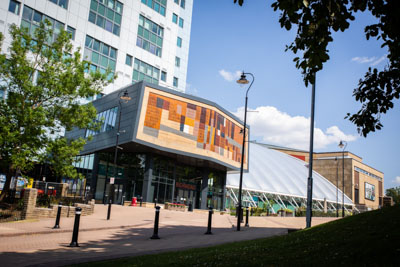
University of Bradford Campus


Building on the success of the first WTUN Accelerated Student Entrepreneurship Programme (ASEP) in 2025, we are pleased to announce the 2026 WTUN-ASEP is open for applications. The aim of the programme is to create a truly international student ASEP experience, with students coming from WTUN-participating universities as well as the co-hosts Beijing University of Chemical Technology (BUCT).

Each WTUN member university is invited to nominate two students to join the 2026 cohort. 

About ASEP: 

The Accelerated Student Entrepreneurship Programmes (ASEP), established by the University of Bradford in 2016, offers students the opportunity to gain first-hand experience of running an enterprise. These programmes are fast paced, real-life experiences, with the goal of enabling students to progress from first meeting to securing funding for a social or business enterprise in just four months. Many of the students who have attended the programme have gone on to run successful businesses

The ASEP is structured around two 5 day workshops. The first workshop focuses on introductions, generation and selection of enterprise ideas and the formation of founder teams, where appropriate. Following this workshop students receive support to develop and test their business plan. The second workshop is an entrepreneurship ‘boot camp’. Over the course of week two, founder teams finalise prototypes, concepts and designs, develop a compelling presentation and promotional literature, and on the last day have the opportunity to present to a panel of real investors and benefactors for real money with which to grow their new enterprise, in a ‘Dragon’s Den’ style pitching session.

Read some of the 2025 participant’s feedback in the August edition of the WTUN newsletter here

Participation Fee:

Contribution of £500 (GBP) per student to Seed Fund. The seed funding will be invested in the most promising student enterprises at the investment pitching event.

Included (paid by hosts UOB and BUCT): Hotel accommodation, food and social activities.

Not Included:  Air Fares and any visas costs (UK & China), personal expenses.

Dates of Programme:

Week One:

  • The first workshop will take place in at the University of Bradford, UK  23-27 February 2026.

Week Two:

  • The second workshop will take place at Beijing University of Chemical Technology, Beijing, China, 8- 12 June 2026.

Participating institutions (e.g. your institute) have the opportunity to share a 10% stake in any arising enterprises involving their students.

How to apply:

Please contact the Operational Board Member for your university for more information about your universities participation and selection process. If you are not sure who this is, you can find them by clicking on your university’s profile here

An application form has been provided to all WTUN university members. Please note that you must have the approval of your university to be accepted onto this programme.

Please e-mail this completed form, along with an up to date copy of your cv, to: wtun@bradford.ac.uk by no later than the midnight on the 1st December 2025.

What are we looking for?

Entrepreneurs come in all shapes and sizes, and there is no one personal profile or personality that works best. You don’t need to have a business idea, but we are happy to support you if you do. The main attributes we are looking for are openness, an ability to learn and a willingness to have a go.

Whilst not a definitive list, in our experience our most successful entrepreneurs have many of the following qualities:

  • Entrepreneurial spirit
  • An open, international perspective
  • An ability to form and sustain lasting relationships
  • A ‘can-do’, ‘anything is possible’ approach…
  • …and, evidence of having achieved challenging goals
  • Determination and resilience
  • A good team worker
  • A sense of humour

A message from Prof Qun Shao, Deputy Director, Bradford-Renduchintala Enterprise Ecosystem (BREE)

Dr Qun Shao, Deputy Director, Bradford-Renduchintala Enterprise Ecosystem (BREE) Director, Open Innovation

“These workshops will bring together the most talented and entrepreneurial minded students across different continents within the World Technology University Network to create successful international businesses. We really appreciate the support from WTUN participating institutes and the WTUN central office, and we will continue to work with WTUN member institutes to expand the programme and develop a wider entrepreneurial community for our students and staff.”

Want to hear more?  

The first WTUN-ASEP Programme launched in 2025 with the first workshop taking place at the University of Bradford in February 2025. Read the full reflection of the first workshop here.

The WTUN-ASEP, organised by the Bradford-Renduchintala Enterprise Ecosystem (BREE) at University of Bradford, provided participating students guidance and coaching on ideation, business development, pitching sessions and investment opportunities for a budding enterprise alongside intensive networking with professional entrepreneurs and 29 students from around the world. 

A student from Suranaree University of Technology (Khaing Ngwe Ngwe Thin) has shared a video blog of her experience at Workshop 1 in Bradford:  

Ms Thin said of the programme, “The opportunity you shouldn’t miss if you are a youth who is interested in entrepreneurship.” 

Finally, here is video from some of the 2025 cohorts reflecting on their experiences after both workshops:

WTUN Newsletter – October 2025 (Congress Special)

Welcome to the latest edition of the WTUN newsletter featuring a roundup of news, updates and events happening across the network.

Below you will read an interview with our BC Scholarship Prize recipient, a speaker announcement for our WTUC2025 sessions, and news from our members across the globe.

As always, if you would like to share news, updates, events or milestones via this newsletter, then please contact wtun@bradford.ac.uk.


Reflecting on WTUC 2025: Glocalization

Congress Special

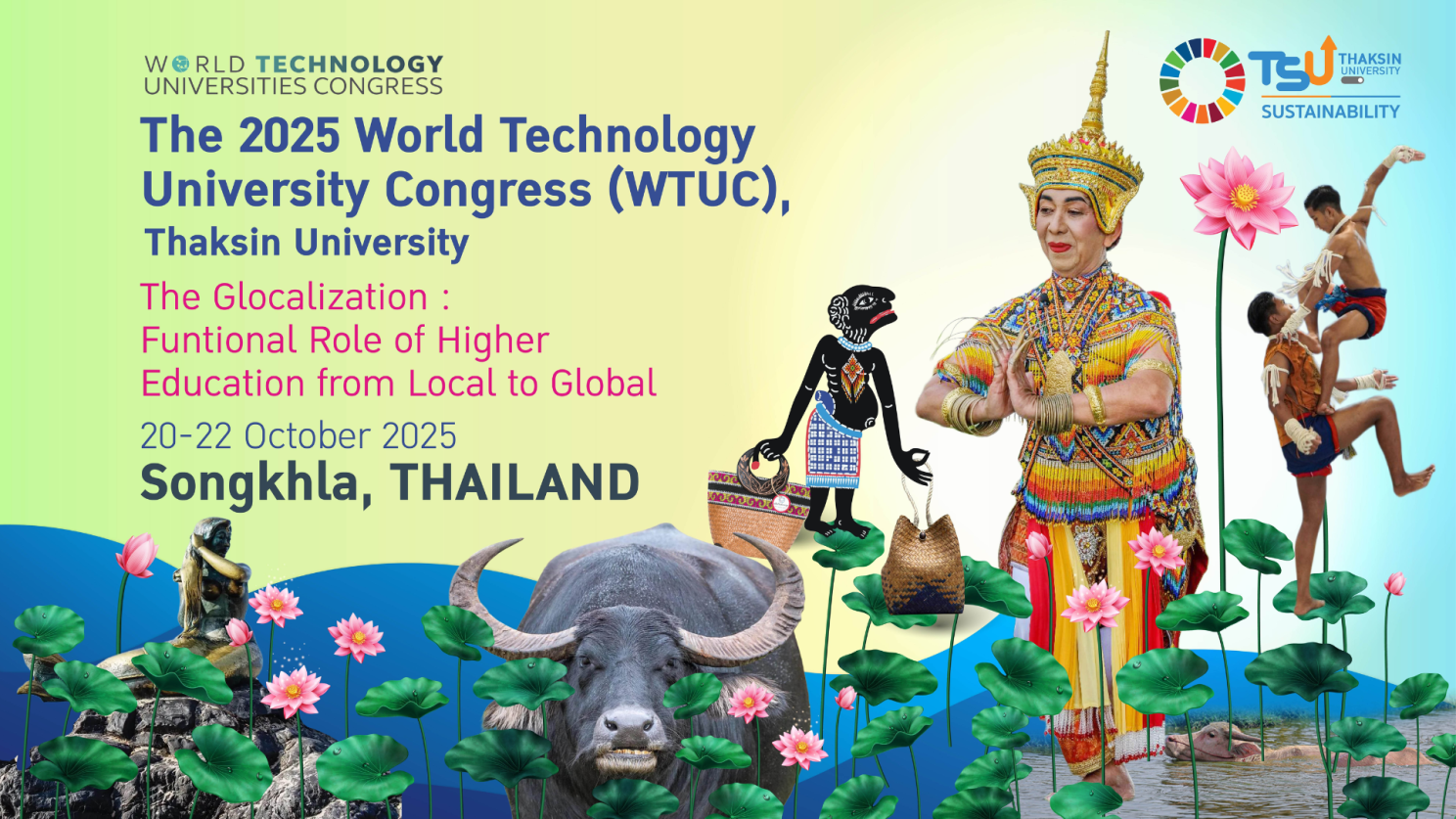
From 20-22 October, the 10th World Technology Universities Network Congress (WTUC 2025) brought together global thought leaders, educators, and innovators from WTUN member universities. Hosted by Thaksin University in Songkhla, Thailand, under the theme “The Glocalization: Functional Role of Higher Education from Local to Global,” the Congress explored how technology universities can simultaneously serve local communities and contribute to global progress.

www.wtu-n.net/2025-congress

WTUC2025 began with a compelling address by Assoc. Prof. Dr. Nathapong Chitniratna, President, Thaksin University, who emphasised the vital role of technology universities in driving social development. His speech highlighted the importance of community engagement, innovation and the responsibility of higher education institutions to serve as catalysts for both local transformation and global progress. This set the tone for a Congress focused on actionable collaboration and meaningful impact.

The central theme of WTUC 2025 was the concept of glocalization—the strategic balance between global engagement and local impact. Technology universities are increasingly expected to contribute to international research and innovation while remaining deeply connected to the needs of their local communities. This dual focus is shaping the future of higher education.

The Congress highlighted the power of social innovation in driving regional development. Through place-based approaches, technology universities are collaborating with industry and government to address local challenges. These partnerships are not only strengthening community ties but also ensuring that academic research leads to tangible, real-world solutions. Sustainability emerged as a critical priority, with sessions emphasising the importance of university-industry partnerships in advancing the UN Sustainable Development Goals. From climate resilience to clean energy innovation, these collaborations are essential for creating a more sustainable future.

Another key focus was the ongoing digital transformation of education. Technology is making learning more inclusive and adaptable, with artificial intelligence and hybrid models leading the way. These tools are helping institutions personalise learning experiences and expand access to education, particularly for underserved populations. Artificial intelligence was also recognised as a catalyst for inclusive innovation. Its potential to personalise education and support learners from diverse backgrounds is reshaping how universities approach teaching and learning. AI is helping to bridge gaps and create more equitable access to knowledge.

Finally, WTUC 2025 reaffirmed the role of the World Technology Universities Network (WTUN) in fostering global collaboration. The Congress showcased how cross-border partnerships, knowledge exchange, and co-created solutions are vital to addressing shared challenges and driving progress across the higher education sector.

As we return to our institutions, the conversations and connections from WTUC 2025 will continue to inspire action. Whether through research collaborations, student exchanges, or community engagement, the WTUN community remains committed to advancing the dual mission of technology education, those of local relevance and global excellence.

On behalf of WTUN Chair Michael Affenzeller and the World Technology Universities Network community we extend our sincere and personal thanks for the exceptional organisation and overwhelming hospitality of WTUC 2025 host Assoc. Prof. Dr. Nathapong Chitniratna and all at Thaksin University.

View photo gallery- https://www.sikram.co/gallery/wetsu_WTUC%202025

Consent to share speaker slides has been requested. We will update the programme pages with a link to all slides in due course.

Watch this space!  3-5 November 2026,

WTUC 2026 hosted by University of Applied Sciences Upper-Austria.


Southern Alberta Institute of Technology

Following Imperial’s donation of its research lab facility — the single largest corporate gift to any post-secondary institution in Alberta — the Southern Alberta Institute of Technology (SAIT) and Imperial celebrated the official launch on September 4, 2025 of a new chapter in sustainable energy research and collaboration at the Imperial Energy Innovation Centre.

The monumental $37.5-million investment in applied energy research is a bold step toward shaping the future of innovation — creating a new ecosystem where industry professionals, leading researchers in petroleum engineering and students pursuing dynamic careers in energy can come together to create lasting impact.

This 44,000 square foot state-of-the-art facility will operate under SAIT’s Applied Research and Innovation Services (ARIS) Hub to support the next generation of thinkers and innovators, driving the future of sustainable energy. The Imperial Energy Innovation Centre will be a launchpad for applied energy research, student and industry collaboration and innovation in Canada’s energy sector.

During the event, Imperial announced an additional investment of $300,000 to drive student-led innovation through the newly established Imperial Innovative Student Project Fund.   The new initiative will provide critical financial support for students ready to move an idea from theory into practice and discover new real-world solutions to major challenges across industries.  An investment of this kind enables students to take innovative, classroom-based capstone projects to the next level and accelerate their hands-on learning experience.

https://www.sait.ca/news/media-releases/2025/09/imperial-energy-innovation-centre-opens


Suranaree University of Technology

Student Opportunity – Applications Open! 

SUT Global Entrepreneurship Camp 2026 (GEC2026): ‘Sustainable and Resilient Communities: Innovating for a Healthier Planet and People’ 

January 30 to February 9, 2026, Bangkok & Nakhon Ratchasima, Thailand. 

Application: Open until November 15 2025 

Extended deadline: 30 November 2025

*Early Registration is recommended especially for participants who need a visa to enter Thailand.  

The camp will bring together 90 students from partner universities worldwide to explore entrepreneurship, innovation, and sustainability through workshops, site visits, cultural exchanges, and collaborative activities. 

This year’s program includes a Bangkok Startup Ecosystem Tour, Eco & Community Tourism in Khao Yai, Lean Startup & Entrepreneurship Workshops, Business Idea Pitching, and Thai Cultural & City Exploration. 

  • Undergraduate or postgraduate students from WTUN member universities are eligible to apply. Please note, there is a maximum of 6 students per university. 
  • Program Fee*: USD 350 per person 
  • Application Deadline: November 15, 2025 
  • Application Form: https://forms.gle/H4fwpfJ5smeuUmWZ9 

*The program fee includes accommodation, local transportation, meals during program days, workshops & excursions and airport pick-up/drop-off. 

For more information about past camps and participant experiences, you may visit our official website: https://sites.google.com/view/sut-gec/home 

If you require further information or assistance, please feel free to contact the team at: global.entrepreneurship.sut@gmail.com 


Do you know someone in your university who would be interested in this newsletter? Forward the email to colleagues or share the link with your networks. 


All members are invited to contribute to this newsletter through their Operational Board Member (found here). Please contact your Operational Board member with stories or events which will be of relevance to the shared vision and commitments of the WTUN and its members, inspiring opportunity for engagement on commonalities, sharing knowledge, or collaboration.

All calls for content can be shared with the WTUN Secretariat at wtun@bradford.ac.uk. 


To discuss joining the World Technology Universities Network, please contact the WTUN Development Manager:
Denise Whitehead
Email: wtun@bradford.ac.uk

WTUN Newsletter – September 2025

Welcome to the latest edition of the WTUN newsletter featuring a roundup of news, updates and events happening across the network.

Below you will read an interview with our BC Scholarship Prize recipient, a speaker announcement for our WTUC2025 sessions, and news from our members across the globe.

As always, if you would like to share news, updates, events or milestones via this newsletter, then please contact wtun@bradford.ac.uk.


Congratulations to this year’s recipient of the WTUN Brian Cantor Scholarship Prize:

Dhanushi Rodrigo, doctoral researcher at Atlantic Technological University

Meet Dhanushi Rodrigo, doctoral researcher at Atlantic Technological University (ATU) and recipient of the WTUN BC Scholarship Prize 2024–25. Dhanushi’s research journey is an example of how academia, industry insight, and a passion for sustainability can work together to create meaningful impact. 

Dhanushi’s focus is on how supply chain networks can foster long-term change. Her work integrates cutting-edge technologies and human-centred approaches. 

Awarded for its originality, relevance, and real-world applicability, Dhanushi’s project stood out to the WTUN assessment panel for its potential to influence both policy and practice. In our conversation, she shares insights into her academic journey, the role of technology in sustainability learning, and the value of global collaboration through WTUN. 

Read on to discover how Dhanushi is shaping the future of sustainability education: https://www.wtu-n.net/2025/09/meet-the-recipient-of-the-wtun-bc-scholarship-prize-2025/  


Southern Alberta Institute of Technology

Applied Research and Innovation Services (ARIS): 

Centre for Innovation and Research in Unmanned Systems (CIRUS) 

Action: The CIRUS project team is actively seeking partnership opportunities in Europe, enabling our project to leverage our learnings across a global footprint. 

The Wildfire Management Branch within Alberta Forestry and Parks (AFP) has identified the need to apply and evaluate new, innovative, and emerging technologies to supplement and improve current wildfire response capabilities through greater utilization of alternative tactics in wildfire detection, preparedness, and suppression.  One key technology identified is Remotely Piloted Aircraft Systems (RPAS)—commonly referred to as “drones” or “UAVs.” 

AFP’s Wildfire Management Branch currently gathers intelligence from multiple sensor platforms—whether ground-based, orbital, or deployed via conventional aircraft—to support decision-making during wildfire operations.  RPAS are increasingly promoted as a safer, more cost-effective alternative to crewed aircraft and other platforms for collecting information, intelligence, and remote sensing data. 

To advance the integration of RPAS technology, the Centre for Innovation and Research in Unmanned Systems (CIRUS) at the Southern Alberta Institute of Technology (SAIT) has established a long-term partnership with AFP. The goal of this collaboration is to enhance wildfire management and response by incorporating RPAS-based technologies into the Incident Command System (ICS) framework. 

To support ongoing knowledge-sharing and development, annual two-day Community of Practice events will be held in Calgary, Alberta. These events will provide a forum to discuss the successes, challenges, and lessons learned from integrating RPAS technology into wildfire response and management. 

Mark Butler, Vice President of Corporate Development, Applied Research and International, Mark.Butler@sait.ca (cc: kate.lumahan@sait.ca 

Also happening at SAIT: 

The Teaching and Learning Commons (TLC) has welcomed 12 faculty fellows under the SAIT Scholarly Activity Faculty Fellowship. This 2-year institutional commitment to a substantial non-teaching load for 12 faculty members will see members working towards accelerated research and impact. Members will work as a cohort and include representation from six school across the institution. This program amplifies SAIT’s commitment to scholarly activity as outlined in its Strategic Plan. This support not only encourages faculty research but directly impacts student learning experiences and opportunities. 


Suranaree University of Technology

Student Opportunity – Applications Open! 

SUT Global Entrepreneurship Camp 2026 (GEC2026): ‘Sustainable and Resilient Communities: Innovating for a Healthier Planet and People’ 

January 30 to February 9, 2026, Bangkok & Nakhon Ratchasima, Thailand. 

Application: Open until November 15 2025 

*Early Registration is recommended especially for participants who need a visa to enter Thailand.  

The camp will bring together 90 students from partner universities worldwide to explore entrepreneurship, innovation, and sustainability through workshops, site visits, cultural exchanges, and collaborative activities. 

This year’s program includes a Bangkok Startup Ecosystem Tour, Eco & Community Tourism in Khao Yai, Lean Startup & Entrepreneurship Workshops, Business Idea Pitching, and Thai Cultural & City Exploration. 

  • Undergraduate or postgraduate students from WTUN member universities are eligible to apply. Please note, there is a maximum of 6 students per university. 
  • Program Fee*: USD 350 per person 
  • Application Deadline: November 15, 2025 
  • Application Form: https://forms.gle/H4fwpfJ5smeuUmWZ9 

*The program fee includes accommodation, local transportation, meals during program days, workshops & excursions and airport pick-up/drop-off. 

For more information about past camps and participant experiences, you may visit our official website: https://sites.google.com/view/sut-gec/home 

If you require further information or assistance, please feel free to contact the team at: global.entrepreneurship.sut@gmail.com 


Universiti Teknologi MalaysiaUniversiti Teknologi Malaysia

Register now! 

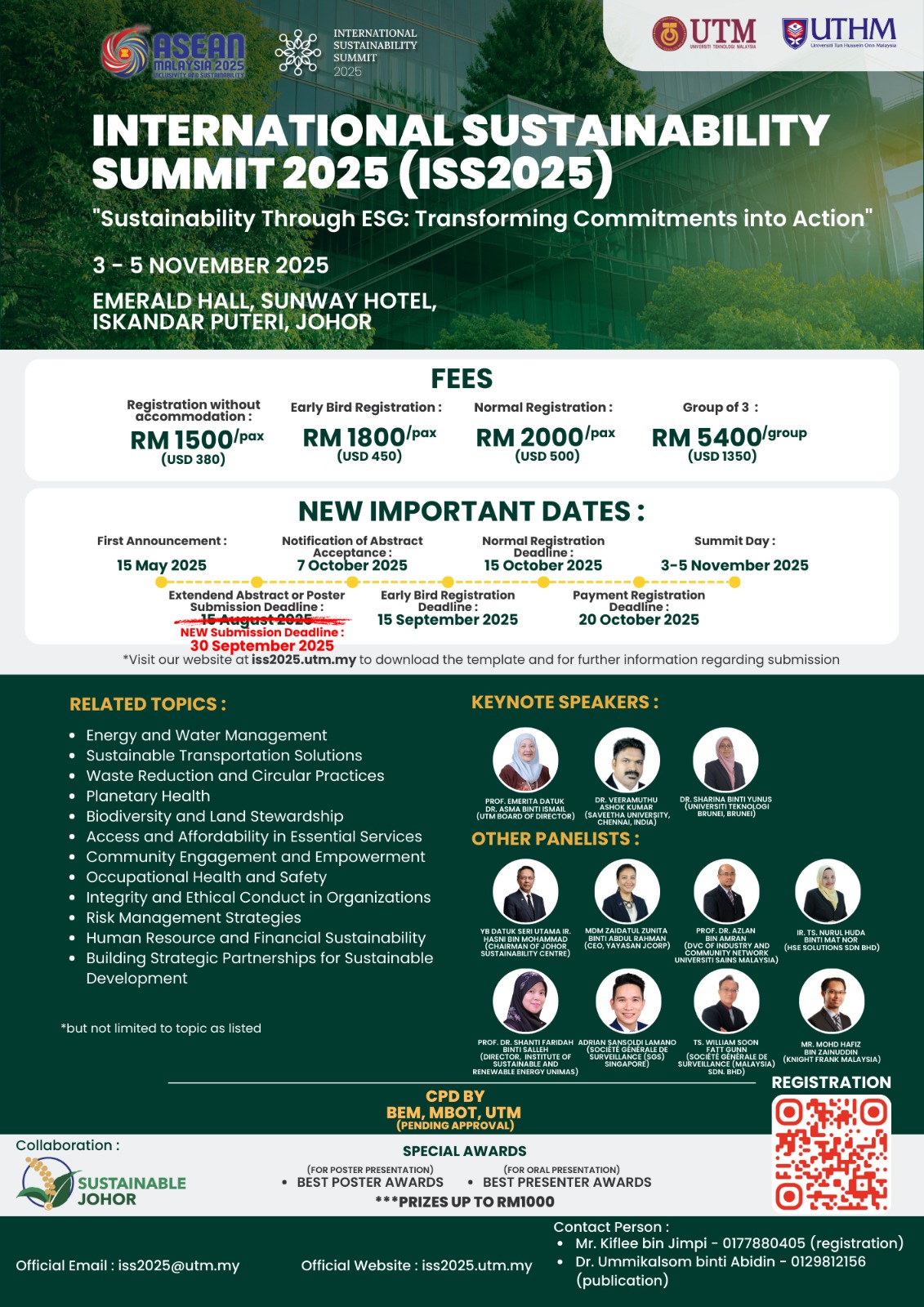
International Sustainability Summit 2025 (ISS2025): ‘Sustainability Through ESG: Transforming Commitments into action’ 

3-5 November 2025,  

Emerald Hall, Sunway Hotel, Iskandar Puteri, Johoro 

Website: https://iss2025.utm.my/ 

Important Dates: 

  • Extended Abstract or Poster Submission Deadline: 30 September 2025 
  • Registration Deadline: 30 September 2025 
  • Registration Payment Deadline: 15 October 2025 

For enquiries: iss2025@utm.my  

The summit will bring together thought leaders, policymakers, industry practitioners, academics, and youth leaders to exchange ideas and drive meaningful actions towards sustainable development through the Environmental, Social, and Governance (ESG) framework. Key focus areas include sustainable energy and water, transportation, circular economy, planetary and occupational health, biodiversity, ethical governance, community empowerment, and strategic partnerships for a more resilient future. 

All accepted extended abstracts will be published in the ISS2025 Conference Proceedings. Authors of selected abstracts will be invited to submit full manuscripts for potential publication in journals indexed by Scopus or the Malaysian Citation Index (MyCite). All submissions will be subject to the respective journal’s standard peer-review process and publication requirements. 

There are special awards of up to MYR 1,000 for Best Poster and Best Presenter. 

International Participants Fees: 

Without Accommodation: USD 380
Individual Registration (With Accommodation*): USD 500
Group Registration (3 Participants with Accommodation*): USD 1,300 

*Accommodation bookings include 2 nights stay. 


University of Bradford


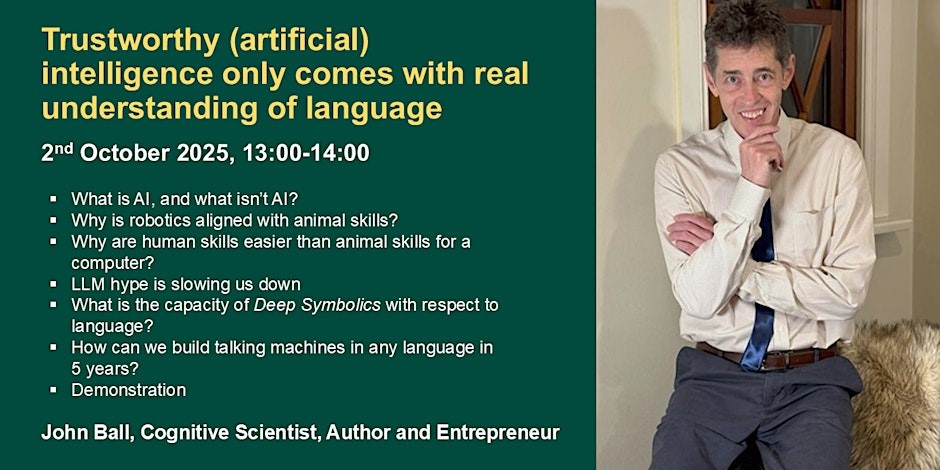
Trustworthy (Artificial) Intelligence Only Comes with Real Understanding of Language 

Thursday 2 October 2025, 13:00-14:00 (UTC+1) 

Hybrid – Online via MS Teams 

Register here to attend. 

John Ball, a cognitive scientist, computer engineer and author discusses bringing trustworthy language AI to the world in his new book, “How to Solve AI with Our Brain”. 

Joined by Beth Carey, co-founder and director of Language Parent, John will discuss how understanding language is integral for creating trustworthy artificial intelligence. In this exciting talk, they will explore: 

  • What is AI, and what isn’t AI? 
  • Why are human skills easier than animal skills for a computer? 
  • LLM hype is slowing us down 
  • How can we build talking machines in any language in 5 years? 

Hindustan Institute of Technology and ScienceHindustan Institute of Technology and Science

Dr David Easow,  Deputy Director of International Affairs, writes in a recent Education Times article, highlighting how business degrees like the MBA are evolving. Today’s graduates need more than strategic thinking whilst also demonstrating fluency in AI tools and data-driven decision-making. 

To stay relevant, programmes are integrating AI, analytics, and hands-on tech training to prepare future leaders who can combine business insight with digital execution. 

Read the article here: https://www.educationtimes.com/article/campus-beat-college-life/99739360/next-generation-mba-bba-pgdm-candidates-need-fluency-in-boardroom-strategy-and-ai-driven-execution 


World Technology Universities Network Annual Congress

Hosted by Thaksin University, Songkhla, Thailand, 20-22 October

As part of the 2025 programme, we can confirm the speakers for the following sessions. 

View full details via the online programme – https://www.wtu-n.net/2025-congress/programme/  

Monday 20 October 2025 

‘Social Innovation for Area-based Development’ 

  • Professor Art Marvin M Arañas, Faculty, Department of Marketing, Mindanao State University 
  • Dr Wallapa Choeibuakaew, Dean of Faculty of Health and Sports Science, Thaksin University 
  • Mr Bavornsak Pejaranonda, Researcher and Northern Thailand Area Manager, King Mongkut’s University of Technology Thonburi 
  • Dr Mullika Sungsanit, Vice Rector for Engagement for Engagement, Innovation and Entrepreneurship, Suranaree University of Technology 

Tuesday 21 October 2025

11:00 – 12:30 

Parallel Session 1: ‘Technology and Digital Transformation in Glocalized Education’ 

  • Dr Kanida Sinmai, Director of the Institute of Learning Resources and Digital Technology, Thaksin University 
  • Dr Ramalingam Dharmalingam, Assistant Professor, Faculty of Information Technology, Majan University College 
  • Dr Regina Aichinger, Vice-President Quality & Diversity, University of Applied Sciences Upper Austria 
  • Dr Sirilak Chumkiew, School of Biology, Institute of Science, Suranaree University of Technology 
  • Professor Abdulla Al Hawaj, Chairperson for the Board of Trustees, Ahlia University 

Parallel Session 2: ‘University-Industry Partnerships for Sustainability’ 

  • Professor Charlou A. Bautista, Special Assistant, Office of the Vice President for Academic Affairs & Faculty, Department of Marketing, Mindanao State University 
  • Dr Supunnee Junpirom, Acting Deputy Director of Technopolis for Technology, Adaptation, Transfer and Development, Suranaree University of Technology 
  • Mr Paul McNama, Research, Development and Innovation Engineer, Atlantic Technological University 
  • Assistant Professor Dr Nugul Intrasungka, Director of Science and Social Innovation Park, Thaksin University 

 14:00 – 15:15

AI Technology and Higher Education: ‘Shaping Higher Education with AI: Opportunities, Challenges, and Next Steps for LLMs’ 

  • Professor Mansoor Alaali, President, Ahlia University 
  • Assistant Professor Dr Pantip Piyatadsananon, Director of Technopolis, Suranaree University of Technology 
  • Professor Masaomi Kimura, College of Engineering, Computer and Communications Engineering, Shibaura Institute of Technology 

Do you know someone in your university who would be interested in this newsletter? Forward the email to colleagues or share the link with your networks. 


All members are invited to contribute to this newsletter through their Operational Board Member (found here). Please contact your Operational Board member with stories or events which will be of relevance to the shared vision and commitments of the WTUN and its members, inspiring opportunity for engagement on commonalities, sharing knowledge, or collaboration.

All calls for content can be shared with the WTUN Secretariat at wtun@bradford.ac.uk. 


To discuss joining the World Technology Universities Network, please contact the WTUN Development Manager:
Denise Whitehead
Email: wtun@bradford.ac.uk
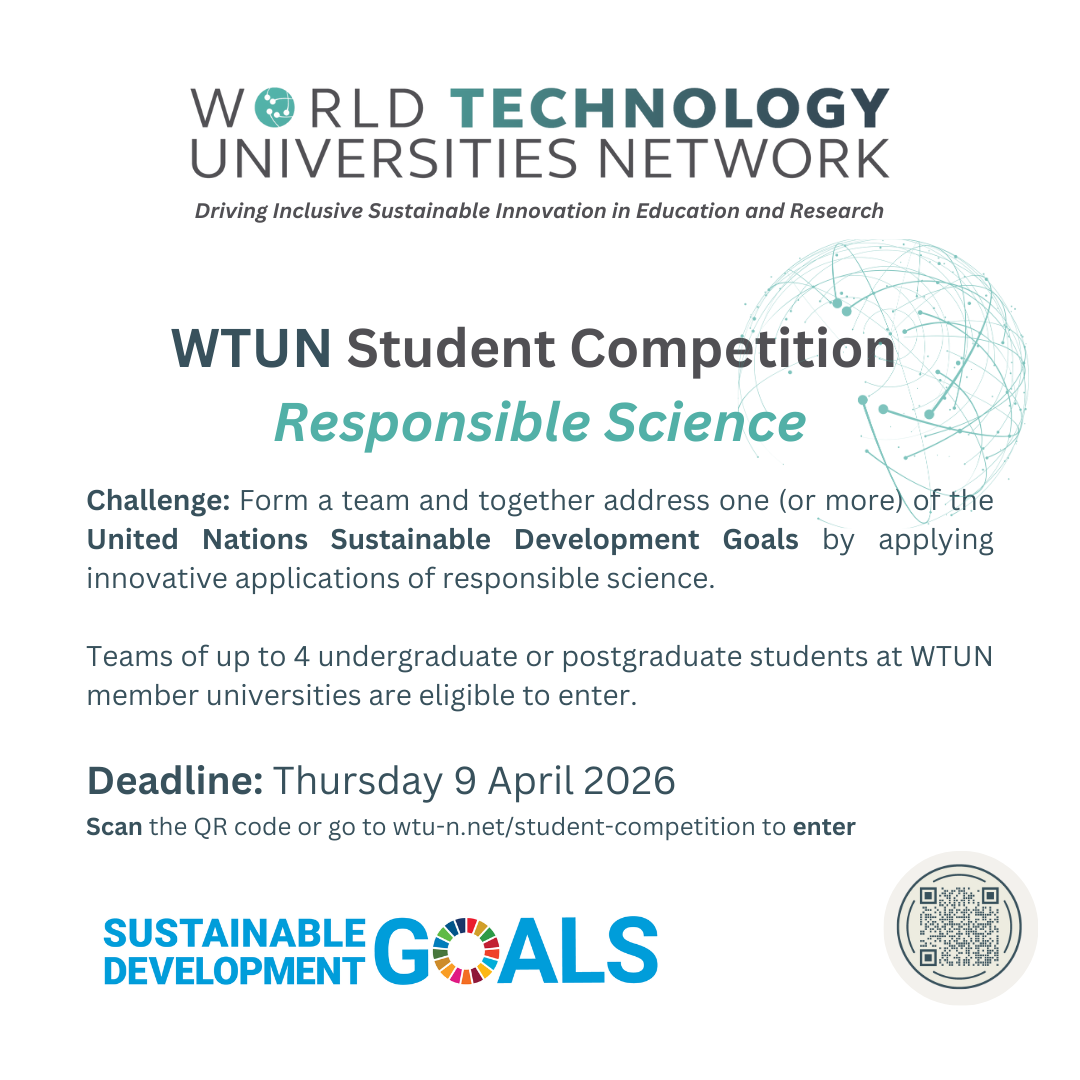

Meet the Recipient of the WTUN BC Scholarship Prize 2025

Profile photo of Dhanushi Rodrigo
Dhanushi Rodrigo, doctoral researcher at Atlantic Technological University

The WTUN Secretariat had the opportunity to speak with Dhanushi Rodrigo, a doctoral researcher at Atlantic Technological University (ATU), to explore her research journey and what it means to be recognised with the WTUN BC Scholarship Prize. 

Dhanushi’s path to her PhD is rooted in a diverse academic and professional background, beginning with business qualifications and an MBA, and evolving into a deep commitment to sustainability. Now undertaking doctoral research at ATU, she focuses on sustainability learning within supply chain networks, an area she believes is key to driving long-term, meaningful change. 

Her work stands out for its innovative approach to integrating human and technological elements in sustainability education. From applying analytical tools like NVIVO and R Studio to co-leading AI-driven projects such as CropConnect, which won 1st Place in the 2025 Student Competition, Dhanushi’s research bridges theory and practice in ways that benefit both industry and community. 

This year, her application impressed the WTUN BC Scholarship Prize assessment panel for its originality, relevance, and potential to deliver real-world impact. The panel also highlighted the strength of her industry endorsement, reinforcing the value and applicability of her work beyond academia. 


Could you tell us a little bit about your academic journey and what led you to your PhD and your current research? 

Atlantic Technological University Logo

My academic journey began in business and professional qualifications, earning both ACCA and CIMA credentials alongside an MBA from the University of Sri Jayewardenepura, Sri Lanka. Professionally, I previously worked in sustainability roles across logistics, corporate functions, and sustainable finance. Whilst the concept of sustainability had intrigued me since childhood, seeing less fortunate people in communities and the need for greener environments, the practical exposure from work and college as a young adult inspired me to undertake a PhD and contribute to research in the emerging sustainability space. I am now a PhD researcher at Atlantic Technological University focusing on sustainability learning within supply chain networks as I believe education is important for long-lasting, positive change. 

The assessment panel agreed that your project had demonstrated undertaking cutting-edge challenge led research with direct benefits to people and society, which can include a focus on technology. Can you tell us about the technological solutions and developments that you are using in your research? 

My research studies integration of human and non-human elements in sustainability learning. This research findings hope to unveil knowledge structures including those pivoted on technology which supports sustainability education across the wide array of actors which play a huge role in our economies, from large corporations to smaller-scale farmers and members of the community. I also apply certain technological tools in my analysis of research findings such as Biblioshiny, R Studio, VOSViewer, NVIVO, and SPSS. In the future, I hope to possibly learn and leverage on Natural Language Processing (NLP) techniques for my research. Beyond my core PhD work, I have co-led projects like CropConnect, which recently won 1st Place in the 2025 WTUN Student Competition. The idea delves on leveraging AI to bridge generational knowledge gaps in Irish farming communities. Additionally, me and a peer colleague are working on research applying machine learning techniques to examine smart mobility and EV adoption patterns in Ireland, demonstrating how data-driven technologies can inform sustainable policy. 

How did you hear about the prize and what made you apply? 

I learnt about the prize through my supervisors, Gabriela and George, who were encouraging me to apply. The award’s focus on recognising innovative, challenge-led research resonated deeply with my own research. Applying was a great step to share my work on sustainability learning and to highlight its benefits to both industry and community stakeholders. 

How will being awarded this prize impact you and your work? 

This recognition will not only enhance the visibility of my research but also open doors to new collaborations across the WTUN network and beyond. It will serve as a strong platform to engage with specially with policymakers and industry.  

How do you envision the future of this project and where do you hope this project will take you? 

I see this project evolving into a framework for sustainability learning that is both academically sound and practically applicable. My aim is to showcase importance of both people and technology integration to facilitate learning and therefore, enable faster adoption of sustainable practices. Ultimately, I hope to position the research as an enabler towards sustainability implementation founded upon understanding of what sustainability means as instilled through the knowledge learnt as opposed to relying on compliance approaches where true learning will not reflect and therefore changes may not be long lasting. 

What advice would you give to aspiring individuals who are considering a PhD? 

A PhD is as a lot about attitude and approach to life. Most often, PhD life will make you remember the quote ‘when life gives you lemons, make lemonade’. The journey will be challenging but rewarding. Be prepared to develop a broad skillset, from research methodologies to leadership and communication. Learn as you go but enjoy the process, both the ups and the downs. Engage with initiatives outside of your own PhD work such as WTUN or college initiatives as these will help personal development. Most importantly, see your work as part of a bigger picture, as your research will contribute to meaningful change. 

This is your second success in a WTUN Competition. You and a peer from ATU won first prize in the Student Competition earlier this year too. What value have you found in taking part in these network activities? 

WTUN activities have been invaluable in fostering collaboration and connecting with like-minded researchers from around the world. These platforms have allowed me to gain feedback from diverse audiences and co-create solutions with peers from different disciplines. The exposure to global sustainability challenges has enriched my own work and encouraged me to think both locally and globally. It is also a testament to our work and external validation that we are headed in the right direction. 

This year, our annual congress will discuss the theme “The ‘GLOCALISATION’ Functional Role of Higher Education from Local to Global”. From your own research into sustainability education advancement methodologies, can you speak to the role of Higher Education Institutions to foster sustainability in their students and communities? 

Higher Education Institutions have a unique position as both knowledge creators and community influencers. They can embed sustainability across curricula, empowering and ensuring that graduates enter the workforce with the skills and mindset to drive change. Equally, they engage in partnerships, scaling best practices globally. When HEIs adopt a “glocal” approach, tailoring global sustainability principles to local realities and challenges, they empower both students and surrounding communities to become active agents of positive change. 


 Learn more about Dhanushi’s work here:

WTUN Newsletter – August 2025

Welcome to the latest edition of the WTUN newsletter featuring a roundup of news, updates and events happening across the network.

Below you will read a message from our new Chair, Professor Michael Affenzeller, the latest news from our student activities and news from our members.

As always, if you would like to share news, updates, events or milestones via this newsletter, then please contact wtun@bradford.ac.uk.


A Message from WTUN Chair, Professor Michael Affenzeller

As Professor Shirley Congdon’s tenure as Chair of the WTUN came to an end at the end of July 2025 the WTUN is pleased to formally welcome Professor Michael Affenzeller, Provost, University of Applied Sciences Upper Austria to the role for a period of two year. On behalf of all at the WTUN and in addition to thanking Professor Congdon for her tireless efforts and championship of the network during her time as Chair, we also wish her well for her upcoming retirement later this year.  

Professor Affenzeller has written to members of the WTUN General Board directly. To read the full version of the below statement, visit our post here. 

Dear WTUN Members, 

As I begin my term I would like to express my appreciation to the General Board for their support in my election to the position of Chair of the World Technology Universities Network.  

When I first became acquainted with the World Technology Universities Network, a little over three years ago through my role in university management, I quickly recognised the network’s outstanding unique selling points—qualities that make active involvement not only worthwhile but truly rewarding. Foremost among these is the pioneering spirit and enthusiasm of a relatively young organisation, paired with a remarkable level of organisational professionalism, a rare and powerful combination. This dynamic is clearly reflected in the network’s diverse range of activities, including hackathons, exchange programs, student competitions, and webinars, as well as the impressively high proportion of member universities that actively engage in these initiatives. 

As is typical in the environment of technology-oriented universities, we anticipate exciting and challenging years ahead. Rapid advancements in analytics, machine learning, and artificial intelligence are driving innovation across technical disciplines and beyond. These developments are accompanied by important moral and societal debates around the responsible, conscious, and privacy-aware use of technology—issues that are viewed through diverse cultural lenses. 

Thanks to the mutual respect and idealism that define our network, I see tremendous potential for the WTUN to contribute meaningfully to these discussions. The global reach of our members brings with it a rich diversity of perspectives—both intellectual and societal. 

Equally pressing are the global challenges in areas such as climate change, CO₂ compliance, and, more broadly, the pursuit of the Sustainable Development Goals (SDGs). Here, too, I believe the WTUN is uniquely positioned to make a positive impact. We have the opportunity to send a powerful message to the younger generation: that choosing a technical field of study is one of the most proactive and constructive ways to contribute to solving the great challenges of our time. 

I would like to express my deepest gratitude to every member of the WTUN for your ongoing commitment, intellectual curiosity, and collaborative spirit. It is an honour to be part of this journey with you, and I look forward to the continued growth and impact we will achieve together. Thank you for all that you do. 


Congratulations to this year’s recipient of the WTUN Brian Cantor Scholarship Prize:

Dhanushi Rodrigo, PhD Candidate, Business, Atlantic Technological University, Galway Campus was selected as the recipient of the 2025 WTUN Brian Cantor Scholarship Prize.  

Congratulations Dhanushi!  

We will share a short interview with Dhanushi on the WTUN website soon. 

If Dhanushi’s name sounds familiar, it is because she was one of the two person team from ATU who took First Prize in this year’s WTUN Student Competition! 

About the Prize: 

The WTUN Brian Cantor Scholarship Prize is intended to recognise cutting-edge, challenge-led research with direct benefits to people and society. 

It is awarded to students conducting research that demonstrates alignment with the WTUN’s vision of providing education for the next generation of global citizens who will have to respond to the word’s 21st century challenges and to assist students to pursue their research or career. 

Read more: https://www.wtu-n.net/bc-scholarship-prize/ 


WTUN-Accelerated Student Entrepreneurship Programme:

From 30 June to 4 July, 27 students and 3 staff members from 7 universities and 5 countries met to finalise prototypes, concepts and designs during the second WTUN-Accelerated Student Entrepreneurship Programmes (ASEP) workshop.  

Workshop 2, hosted by Beijing University of Chemical Technology, culminated in a final pitch to a panel of real-world investors and benefactors for the chance to secure business investment. 

A total of 5 enterprises were selected for funding. All participants will have access to ongoing mentoring support and advice to develop their burgeoning business via the team of mentors at the Bradford-Renduchintala Enterprise Ecosystem at University of Bradford. 

Watch this space for more information, including details of how to participate in next year’s WTUN-ASEP! In the meantime, here is just some of the great feedback taken from students after their experiences in both the UK and China: 


Who’s who at the World Technology Universities Network?

The World Technology Universities Network comprises 20 technology universities from across the world, each committed to driving inclusive, sustainable innovation in teaching and research to address the challenges of the 21st century.

Through these “Member in the Spotlight” articles, we aim to shine a light on the inspiring work of our members and inspire opportunities for connection and to foster collaboration between our members for the benefit of the network, our members, and the global community.

Get to know King Mongkut’s University of Technology Thonburi:

This week the spotlight is on King Mongkut’s University of Technology Thonburi. Located in Bangkok, Thailand KMUTT delivers research and teaching to foster change for a strong and sustainable global society through innovation, creativity and entrepreneurship.  
 

Discover the sustainable and innovative work of KMUTT in the latest “Member in the Spotlight” article: Getting to know King Mongkut’s University of Technology Thonburi


Southern Alberta Institute of Technology

On behalf of Applied Research and Innovation Services (ARIS)

Centre for Innovation and Research in Advanced Manufacturing and Materials (CIRAMM)

CIRAMM’s Robotics and Automation Lab successfully completed construction and installation of additional equipment necessary to move toward a fully commissioned space to support the diverse range of activities and equipment in the lab. These additions position SAIT uniquely in Alberta to conduct cutting-edge AI-driven robotics research across a wide range of applications, with a focus on integrating robotics into the construction sector and for aerospace, defense, and advanced manufacturing.

Supporting the emerging activation of the Alternative Construction Technologies (ACT) Hub within the Applied Research and Innovation Services (ARIS) Hub, CIRAMM has launched a two-year industry collaboration with a Calgary-based enterprise to develop an AI-enhanced, portable onsite micro-factory.  This project aims to automate modular prefabrication for builders, contributing to local, provincial, and national efforts to address the housing crisis.

Independent Researchers Team (IR)

The Independent Researchers team is proud to announce that project industry partner, ZeroSound Systems Inc., has been nominated for a 2025 ASTech Award.  The ASTech (Alberta Science, Technology, and Leadership) Awards recognize and celebrate the brightest minds and the greatest achievements of outstanding individuals and organizations in the Alberta science and technology innovation community.

The Independent Researchers team in the Applied Research and Innovation Services (ARIS) Hub are collaborating with the University of Calgary for drone flight services related to methane research for industry.

Green Building Technology Access Centre (GBTAC)

The Green Building Technology Access Centre (GBTAC) at SAIT is collaborating with WTUN member, the Atlantic Technological University (ATU), in Ireland through the WTUN Exchange Program.  The GBTAC team will be traveling to Ireland in September 2025 to meet the ATU team across multiple campuses and begin exploring research concepts and defining project opportunities.  The institutions are well aligned in their dedication to sustainability in the built environment and advancing technology and education-based solutions to address today’s challenges. The teams will bring together engineering, architecture, environmental science, and digital technology expertise to map out needs and synergies to develop a world-view approach to solving what are quickly becoming global issues and alignment in the building and environmental industries.

The GBTAC team will also be attending the PropTech Connect Conference in London, England, during the same trip, furthering connections and opportunities for both institutions as they connect to industry across the UK, Ireland, and further.


Universiti Teknologi MalaysiaUniversiti Teknologi Malaysia

Dr Mohd Ariffin Abu Hassan: Exemplifying Internationalization 

In a recent interview with CEO Insights Asia, Assoc. Prof. Dr Mohd Ariffin Abu Hassan, Director of UTM International and OB Member for UTM discusses the significance of internationalisation and creating global citizens. 

“Mobility is no longer just physical, it’s the mobility of minds that creates real global connection”, Dr Ariffin shares in the article and notes that UTM’s participation in the WTUN is key part of their internationalisation strategies. 

Read the interview here: CEO Insights Asia


University of Applied Sciences Upper Austria

Take a look at the latest research news shared by colleagues as FHOÖ:

Top ranking for academic start-ups in the entire German-speaking region 

Study authors from TU Munich, ETH Zurich, and the University of Innsbruck confirm the excellent output of the Startup Center at the University of Applied Sciences Upper Austria 

51 start-ups in the ten years between 2014 and 2024 mean an excellent eighth place – relative to the number of students at a university, it even narrowly missed the podium in fourth place. The comparison in the “Entrepreneurship Ranking” is made with other universities in Austria, Germany, and Switzerland. The head of the Startup Center at the University of Applied Sciences Upper Austria, Dr. Gerold Weisz, is rightly proud of this achievement, which he says has “many fathers and mothers.” First and foremost, however, the top ranking is due to the fact that the topic of business start-ups is firmly anchored in the curriculum. 

Read the full article here.

We are is world champions! FH Upper Austria robotics team wins title in Rescue Robot League  

What Austria failed to achieve with the soccer ball, it has now achieved with robots, in the place where triumphs are usually celebrated with the soccer ball. In the Brazilian metropolis of Salvador, the “Dynamics” robotics team from our School of Engineering at Wels Campus won the world championship title. Over 60,000 spectators attended the RoboCup World Championship mid-July and enthusiastically followed the various robot competitions. In addition to rescue robotics, there were also various soccer robots, household robots, drones, and similar devices on display. The world’s leading experts in rescue services based on state-of-the-art technology are now officially located in Upper Austria. 

Read the full article here.

With thanks to Kamilla Trubicki, Head of International Office and Operational Board Member for University of Applied Sciences Upper Austria for translating these stories into English for the benefit of the network.


University of Bradford


Molecular Titans Ltd, a University of Bradford spin-out, has patented nanotechnology that diagnoses inflections in minutes, which has the potential to transform rapid healthcare testing, preventing the need to wait days for test results.  

Beyond detecting UTIs and eye infections, this could also be used in surgery, veterinary care, and food production, saving time and money whilst reducing patient anxiety.

The team behind the breakthrough are seeking venture capital investment to fund clinical development and accelerate commercial rollout. The technology is already being incorporated into smart contact lens test kits with L V Prasad Eye Institute in India.

Learn more about this breakthrough technology and how it may transform diagnoses here: Molecular Titans Ltd – News Post


Do you know someone in your university who would be interested in this newsletter? Forward the email to colleagues or share the link with your networks. 


All members are invited to contribute to this newsletter through their Operational Board Member (found here). Please contact your Operational Board member with stories or events which will be of relevance to the shared vision and commitments of the WTUN and its members, inspiring opportunity for engagement on commonalities, sharing knowledge, or collaboration.

All calls for content can be shared with the WTUN Secretariat at wtun@bradford.ac.uk. 


To discuss joining the World Technology Universities Network, please contact the WTUN Development Manager:
Denise Whitehead
Email: wtun@bradford.ac.uk


© World Technology Universities Network 2026