

October 2026
WTUN in Action: Collaboration, Innovation and Global Impact
In this issue: WTUN Collaboration Month | Responsible AI in Research | International Research Partnerships | Hydrogen Innovation | Mobility, Applied Research and Student Success
Welcome to the latest edition of the WTUN Newsletter, featuring news, opportunities and achievements from across the Network. This is one of our most content-rich editions, showcasing the breadth of activity taking place across WTUN. Thank you to all members who have contributed stories, research highlights and updates. Your contributions help strengthen connections across the Network and inspire new opportunities for collaboration.
In this edition, we launch WTUN Collaboration Month, introducing two December events designed to foster new partnerships and share best practice across the membership. We also feature the latest WTUN Research Blog from Dr Akiko Ueno (University of Bradford), exploring the opportunities and challenges of using generative AI in research. Across the Network, members share inspiring stories of collaboration, research excellence and innovation, from Ahlia University’s growing global research profile and the INFUSE project at Hamm-Lippstadt University of Applied Sciences, to research breakthroughs at FH Upper Austria and SAIT’s impactful work in applied research, entrepreneurship and industry engagement.
Together, these stories demonstrate the expertise, innovation and collaborative spirit that make WTUN a truly global network. We hope you enjoy this edition and discover new opportunities to connect, collaborate and engage with colleagues across the WTUN community.
If you would like to share news, events, research highlights or success stories in a future edition, please contact the WTUN Secretariat at wtun@bradford.ac.uk.

WTUN Collaboration Month
December 2026
As WTUN continues to strengthen connections across the Network, December will feature two complementary online events designed to help members learn from successful collaborations and develop new partnerships for the year ahead.
Whether you are looking to expand your international network, identify research collaborators, explore mobility opportunities or share partnership experiences, we encourage colleagues from across WTUN to get involved.
📅 Thursday 3 December 2026
12.00-13.30 GMT
Building Successful International Partnerships
This webinar will bring together speakers from across the WTUN membership to share practical insights into developing and sustaining successful international partnerships.
Topics will include:
- Research collaboration
- Student and staff mobility
- Industry engagement and innovation
- Strategic institutional partnerships
- Lessons learned and good practice
The session will showcase real examples of international collaboration and provide practical advice for colleagues seeking to develop similar initiatives within their own institutions.
We are currently seeking speaker nominations from member institutions. Further details will be circulated shortly.
📅 Wednesday 16 December 2026
WTUN Global Connections Forum
Following the webinar, members are invited to participate in the inaugural WTUN Global Connections Forum.
Unlike a traditional webinar, this interactive networking event will focus on helping colleagues make new connections, identify opportunities for collaboration and contribute ideas for future WTUN activities. To accommodate members across different regions, the forum will be offered in two identical sessions:
🌏 Session A: Asia-Pacific, Middle East & Europe
08:00-09:30 GMT
🌎 Session B: Europe, Middle East & Americas
15:00-16:30 GMT
Participants will have the opportunity to join themed discussions on topics such as:
- Artificial Intelligence and Digital Innovation
- Sustainability and Climate Action
- Clean Energy
- Water Security
- Research Funding and Partnerships
- Student Mobility and Internationalisation
- Equality, Diversity and Inclusion
Get Involved
December’s events are designed to help transform conversations into collaborations. We encourage each WTUN member institution to participate by:
- Nominating speakers for the webinar.
- Encouraging colleagues to attend the Global Connections Forum.
- Sharing examples of successful partnerships and collaborative activities.
- Identifying areas where collaboration with other WTUN members could add value.
Further details, speaker calls and registration information will be shared in the coming weeks.
Let’s finish 2026 by strengthening the connections that make WTUN a truly global network.


Is GenAI safe to use in research?
Introducing Dr Akiko Ueno, Associate Professor of Marketing, University of Bradford,
Department / Research Area: Human Technology and Innovation Research Cluster, Faculty of Management, Science and Engineering
Email Contact: a.ueno@bradford.ac.uk
In April 2025, I attended an online workshop on generative AI led by Dr Shubin Yu. I thought I was reasonably knowledgeable about research methods and digital technologies. A few hours later, I found myself wondering: “Am I working in the Stone Age?”
I am an Associate Professor in Marketing and Head of Research Cluster: Humane Technology and Innovation at the School of Management, researching how emerging technologies affect people’s lives. Seeing how AI could change research practices I had spent years developing was exciting and slightly unsettling. I wanted to learn more, and to give other researchers the opportunity to explore these tools critically.
One question stayed with me: how could we use them while maintaining trust in our research?
Generative artificial intelligence, or GenAI, creates content such as text, images or computer code in response to instructions. Familiar examples include ChatGPT. Other tools help researchers explore published studies, work with data or build applications. Some use external online services; others run on an organisation’s own computers. Their capabilities and safeguards differ. For me, safe use depends on the task, the information shared and whether the researcher can check the result. A tool suitable for improving a plain-language explanation of published research may be unsuitable for handling confidential interviews.
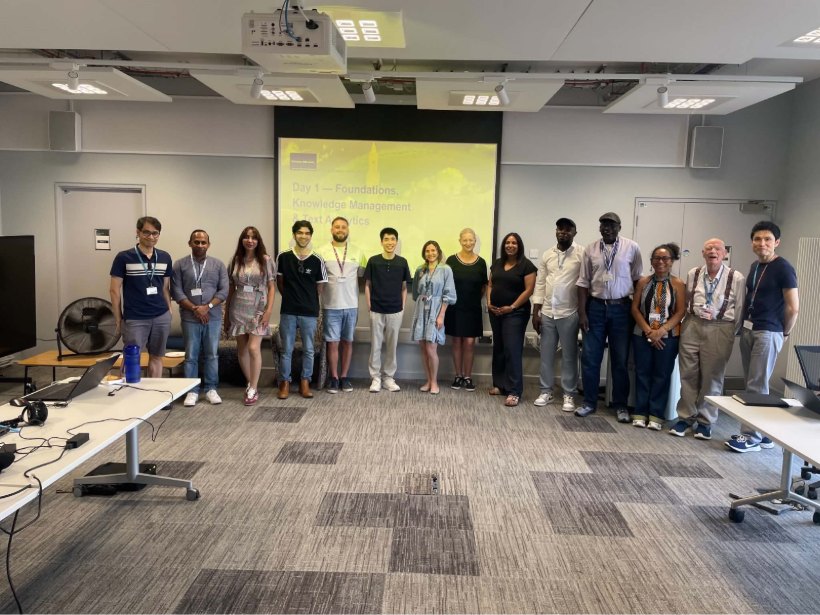
Read the full article on the WTUN website to discover how researchers can harness the benefits of AI while safeguarding research quality, transparency and trust.
About
Akiko Ueno (PhD) is an Associate Professor of Marketing, specialising in the intersections of consumer wellbeing and the impact of emerging technologies, and she has recently completed a research project into Digital Poverty in the UK, funded by the British Academy. Her research has been disseminated through leading academic outlets, including but not limited to the British Educational Research Journal, International Business Review, Journal of International Marketing, and Technological Forecasting & Social Change.
www.bradford.ac.uk/staff/aueno
Keywords:
GenAI | Emerging technologies | Inclusive technologies | Digital exclusion | Wellbeing
Call for content!
If you are interested in contributing to future editions of this blog, please contact wtun@bradford.ac.uk and a submission template will be shared with you.

Ahlia University

Research Without Borders: Ahlia University’s Growing Global Impact
At Ahlia University, international engagement is about fostering research networks of impact that bring together scholars, institutions and ideas around shared challenges. As a founding member of the World Technology Universities Network (WTUN), Ahlia shares its commitment to international mobility, collaborative research and knowledge exchange, using these connections to extend the reach of research, strengthen partnerships and translate knowledge into meaningful outcomes for society.
Ahlia’s Growing Global Profile
Ahlia University’s research development has gained significant international recognition. In September 2026, Ahlia made a historic debut in the Times Higher Education World University Rankings 2027, entering at 299th in the world and becoming the first university in Bahrain to reach the world’s top 300.
The achievement exceeded the University’s strategic target of reaching the world’s top 500 by 2030. It also builds on Ahlia’s strong regional performance, with the University ranked 12th in the Arab world in the Times Higher Education Arab University Rankings 2026.
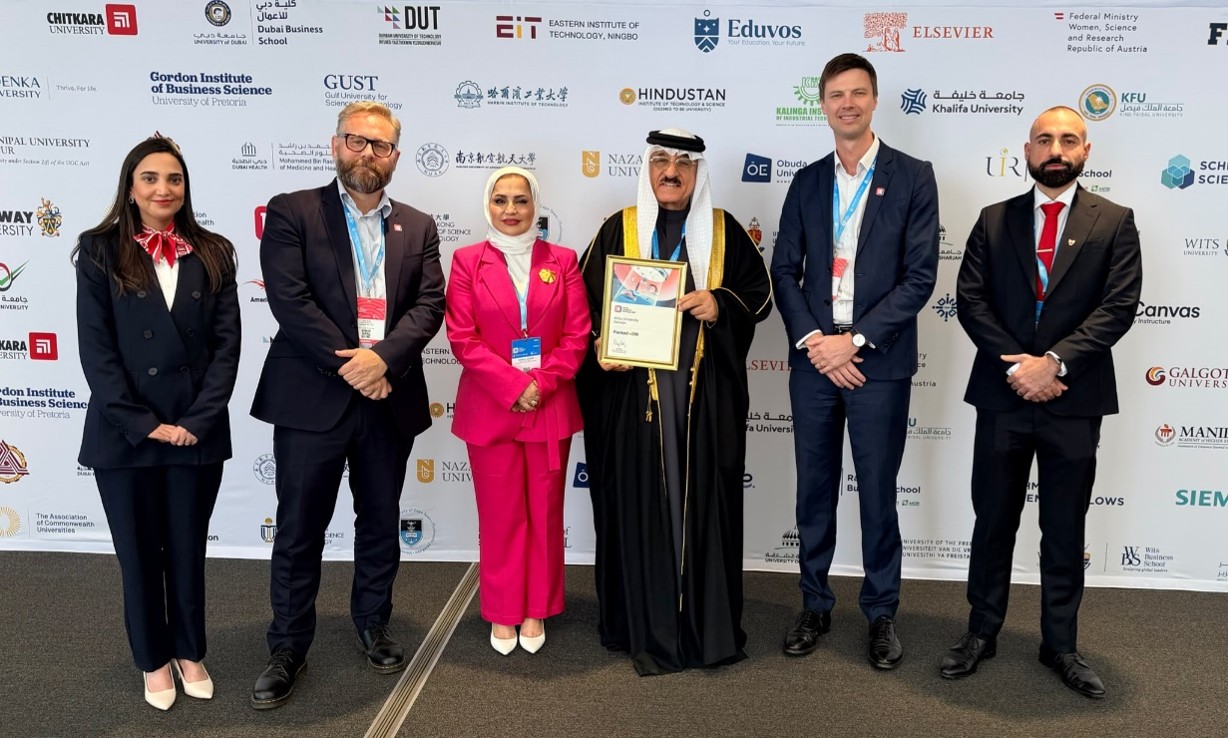
Ahlia University’s research output continues to grow in both volume and quality. The University recorded 262 Scopus and/or Web of Science-indexed publications in 2025, followed by 172 between January and September 2026.
The proportion of publications in Q1 and Q2 journals also increased significantly, from 81.88% in 2025 to 95.83% in 2026.
International collaboration is an important part of this growth. Ahlia recorded 197 internationally co-authored publications in 2025, with a further 101 identified between January and September 2026, reflecting the University’s expanding global research networks.
The impact of this research also extends to global challenges. Across 2025 and January–September 2026, 29 publications were aligned with priority SDGs including health, gender equality, clean water and sustainable cities, reflecting Ahlia’s commitment to research with societal relevance and impact.
Turning Mobility into Collaboration
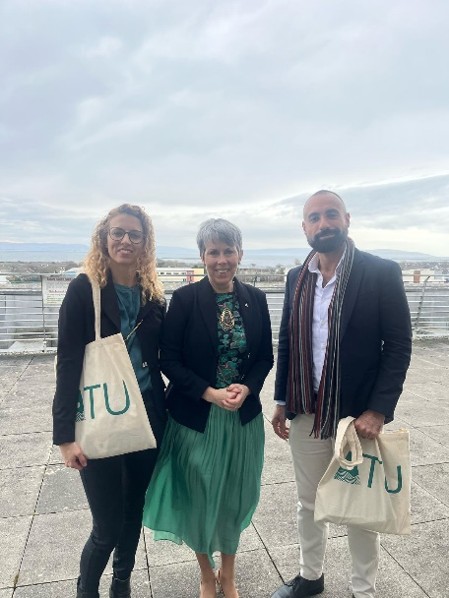
Across 2025 and 2026, Ahlia University participated in five WTUN academic exchanges with Atlantic Technological University (ATU), Ireland, and the University of Bradford, demonstrating how mobility can develop into meaningful collaboration.
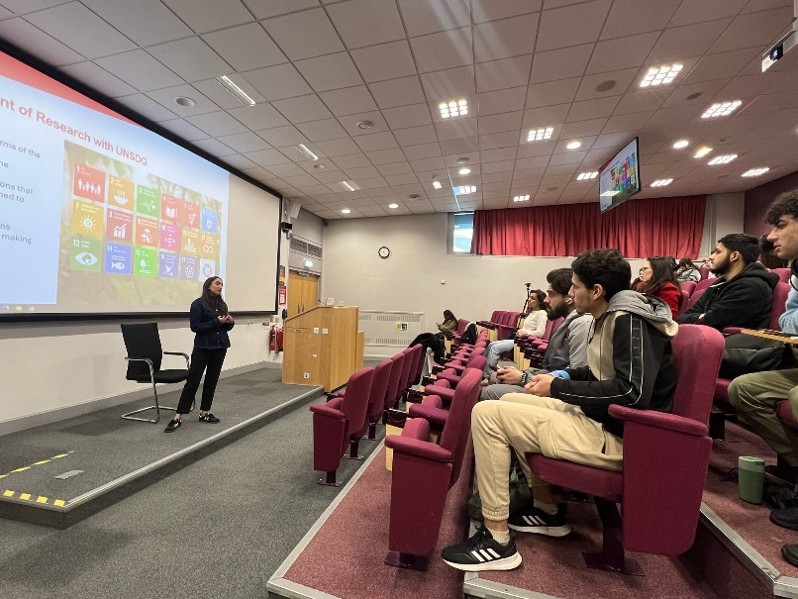
In 2025, Ammar Al-Hawaj undertook a visiting academic exchange at ATU, engaging with students and faculty and delivering a session on sustainability in marketing and luxury goods. Esra Aldhaen also joined the University of Bradford as a visiting academic, sharing expertise on research visibility and alignment with the UN Sustainable Development Goals.
The programme expanded in 2026, with Ahlia welcoming Gabriela Gliga from ATU as a keynote speaker at its IX Equal Opportunities Conference. Noor Alsayed also undertook an exchange visit to ATU focused on innovation and industry-linked research, while Fatema Aldhaen is scheduled to visit the University of Bradford during 2026.
From exchange to research output
The impact of these relationships is already visible in Ahlia’s publication record. Across 2025 and 2026, Ahlia researchers produced three Scopus-indexed publications with the University of Bradford, including the edited books “Ethical Standards for Technological and Business Education Sustainability” and “Sustainable Leadership for Business Education and Societal Impact”.
In 2026, an Ahlia researcher also co-authored a peer-reviewed conference proceedings paper with Atlantic Technological University, Ireland, on sustainability education and paradox literacy in higher education. Together, these outputs demonstrate how international collaboration can translate into tangible scholarly outcomes.
Hamm-Lippstadt University of Applied Sciences
WTUN Members Work Together:
I.N.F.U.S.E.: Building an International Network for Future Universal Skills Education
INFUSE is a DAAD-funded international cooperation project coordinated by Hamm-Lippstadt University of Applied Sciences (HSHL). The project runs from 2026 to 2028 and brings together partner universities from Germany, Thailand, Jordan, India and Japan. The aim of INFUSE is to strengthen the internationalisation of teaching and learning by creating formats that allow more students to gain international and intercultural experience. A particular focus is on students who may not easily be able to participate in longer periods of physical mobility abroad.
A central element of the project is Collaborative Online International Learning (COIL). In these formats, students and lecturers from different partner universities work together digitally on shared topics and projects. This gives students the opportunity to collaborate across countries and disciplines while developing skills such as intercultural communication, teamwork, digital collaboration and problem-solving.
The project also includes mobility activities, partner visits, workshops and the development of micro-credentials. The aim is to connect virtual and physical forms of international learning and to integrate them more closely into regular study programmes.
The INFUSE consortium includes:
- Hamm-Lippstadt University of Applied Sciences, Germany
- Suranaree University of Technology (SUT), Thailand
- German Jordanian University, Jordan
- Kalinga Institute of Industrial Technology, (KIIT) India
- Saitama University, Japan
Two of the international partners, Suranaree University of Technology (SUT) and KIIT are members of the WTUN. INFUSE is therefore also a good example of how contacts and relationships within an existing international university network can develop into more intensive cooperation and a jointly funded project.
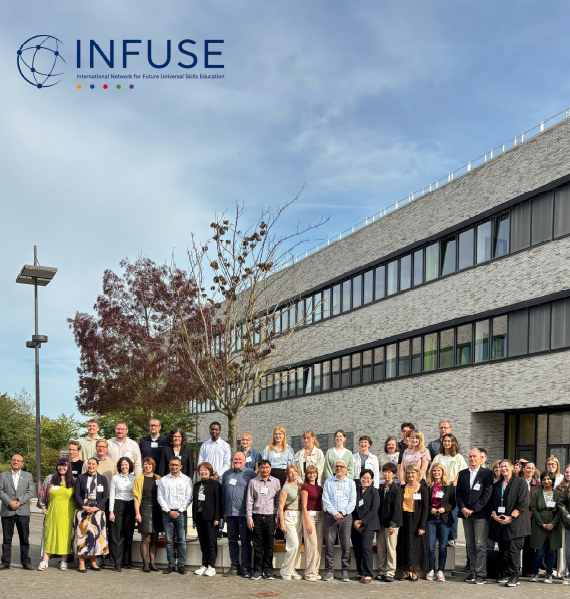
The official INFUSE Kick-Off Meeting took place from 29 September to 1 October 2026 in Lippstadt. During the meeting, the partners presented their institutions, discussed the project goals and worked on the first COIL groups, mobility activities and next steps.
The Kick-Off was also an important opportunity to meet in person, build trust and develop a shared understanding of the project. With the first activities now underway, INFUSE is moving from project planning into implementation and will continue to develop new forms of international teaching and cooperation over the coming years.


University of Applied Sciences
Upper Austria
FH Upper Austria secures €3 million in federal funding for research into future-focused topics amid strong competition.
Achieving Sustainability Goals Through Technology
A total of nearly €3 million in funding has been awarded to FH Upper Austria’s Wels Campus for three new research projects. The funding will support both the university’s materials research activities and the Hydrogen Research Center, which opened only last year.
Specific focus is placed on reliable Materials for Hydrogen Transport and Storage as well as 3D-Printed Components for Hydrogen Applications and Innovative Films for Environmentally Friendly Plastic Packaging
The successful projects are funded through the Austrian federal program “FH Research for Industry 2026”, administered by the Federal Ministry for Economic Affairs, Energy and Tourism (BMWET). The program aims to strengthen research capabilities at universities of applied sciences and is managed by the Austrian Research Promotion Agency (FFG).
More information: https://fh-ooe.at/en/news/fh-oberoesterreich-erringt-gegen-starke-konkurrenz-drei-millionen-euro-vom-bund-fuer-die-forschung-an-zukunftsthemen
Hydrogen Research Center Secures Funding and Welcomes High-Level EU Delegation
Hydrogen is a game changer for both industry and climate protection. The establishment of the Hydrogen Research Center at the University of Applied Sciences Upper Austria in Wels, which officially opened in autumn 2025, was supported through EU funding from the Just Transition Fund (JTF). In the first phase, a total of €11.6 million was invested in the Wels research center by the Province of Upper Austria and the European Union.
More information: https://fh-ooe.at/en/news/hydrogen-research-center-in-wels-secures-funding-and-welcomes-high-level-eu-delegation
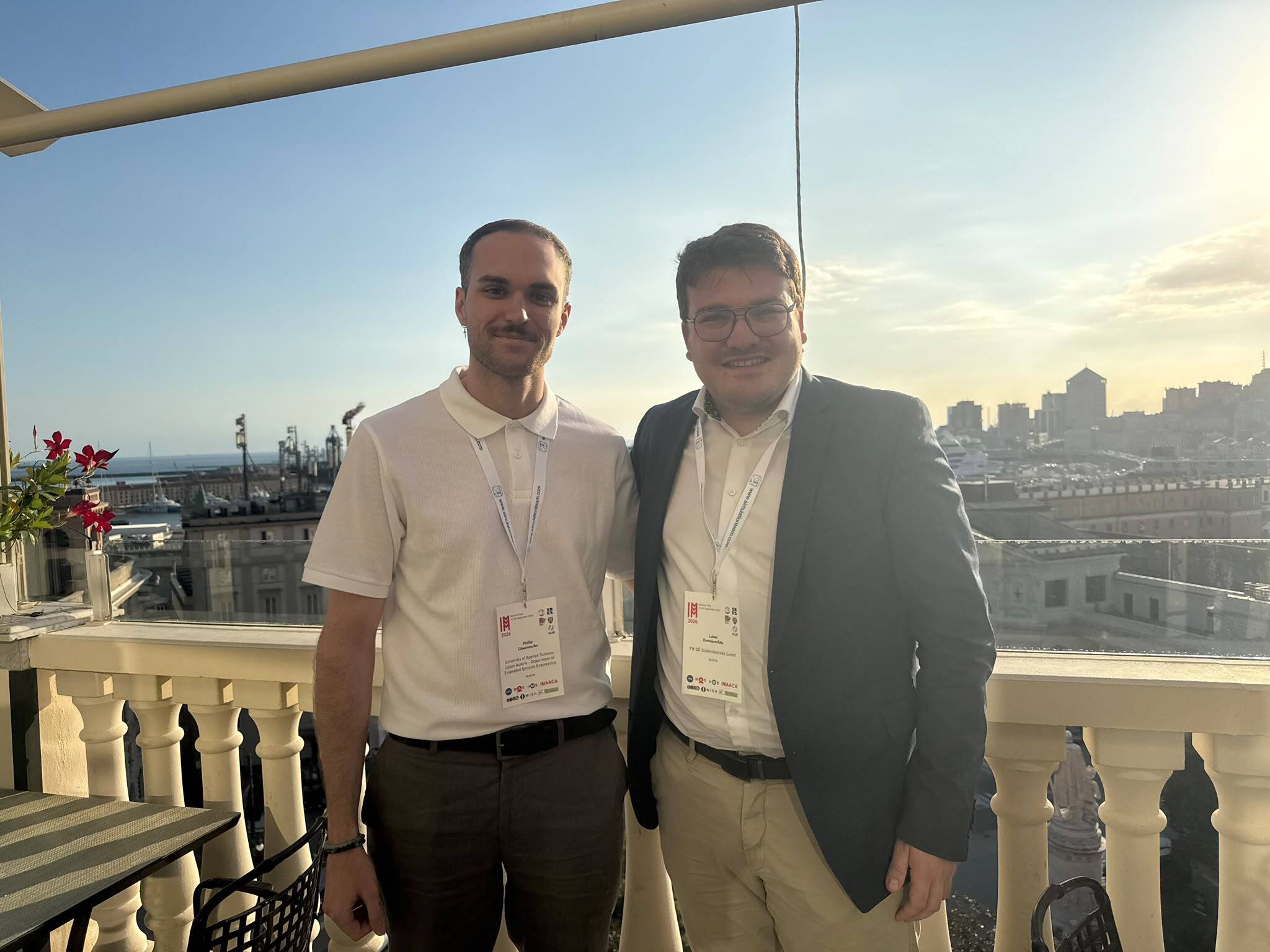
Hagenberg Graduates Honored for Master’s Thesis at European Modeling and Simulation Conference in Genoa: “Best Paper Award” in the Field of Embedded Systems
Two graduates of the Embedded Systems Design (ESD) program at the University of Applied Sciences Upper Austria, School of Informatics, Communication and Media had the opportunity to present their Master’s theses as conference papers at one of Europe’s leading simulation conferences. The quality of their research in the fields of facial recognition and AI as well as runtime latency analysis impressed the review committee, and Lukas Damianschitz ultimately returned home with the Best Paper Award. The conference focuses on the application of modeling and simulation in industry, making it an excellent fit for the practice-oriented and industry-focused approach to education in Hagenberg.
More information: https://fh-ooe.at/en/news/masterarbeit-von-hagenberger-absolventen-bei-europaeischer-fachkonferenz-zu-modellierung-und-simulation-in-genua-ausgezeichnet
Southern Alberta Institute of Technology

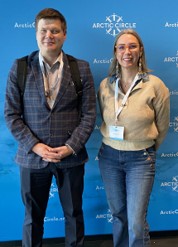
Applied Research and Innovation Services (ARIS) recently participated in the 2026 Arctic Circle Assembly in Iceland
Challenges are best addressed together! SAIT’s Applied Research and Innovation Services (ARIS) recently participated in the 2026 Arctic Circle Assembly in Iceland, one of the world’s leading forums on Arctic issues, bringing together global leaders, researchers, policymakers and industry experts.
The event provided valuable opportunities to connect with communities, organizations, businesses, leading researchers and government representatives from across the globe. Through these conversations, ARIS strengthened relationships with key contributors in the Arctic ecosystem and explored how SAIT can play a meaningful role in addressing emerging opportunities and challenges across the North through applied research, innovation, skills development and partnership.
Additionally, ARIS is a member of the University of the Arctic (UArctic) Thematic Network on Solid Waste Management in the Arctic and is working with partners to better understand Arctic priorities and contribute to solutions that address challenges related to waste management, resource recovery and environmental stewardship. Empowered by local knowledge and international level academic expertise, the UArctic network supports knowledge mobilization and the development of solutions for challenges in the Arctic.
ARIS is committed to supporting innovation that makes a difference and supports communities around the world. Please reach out to the ARIS Director, Jodi David, Jodi.David@sait.ca to learn more about ARIS and/or discuss any partnership opportunities.
Remotely piloted aviation training, applied research and innovation and strategic industry engagement
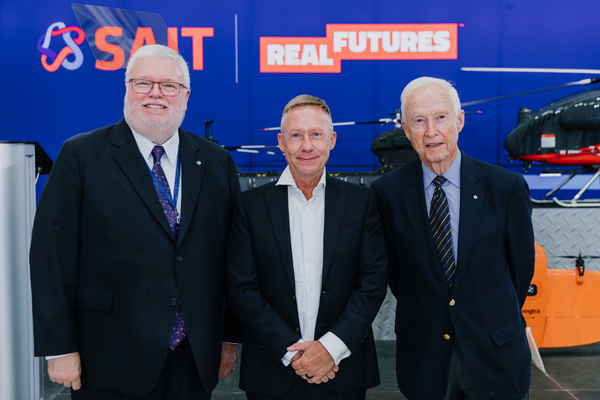
On Thursday, Oct. 8, 2026 — plans were unveiled for the Bissett Autonomous Aviation Park at the Southern Alberta Institute of Technology (SAIT) — a one-of-a-kind facility dedicated to the training, testing and certification of remotely piloted and autonomous aircraft.
Made possible by a $30-million gift from Calgary philanthropist and long-time SAIT supporter David Bissett, the transformational investment will pave the way for the future of autonomous aviation innovation, applied research and industry readiness in Calgary and Alberta. With $6 million earmarked to support student awards, this investment will increase access to remotely piloted aircraft systems (RPAS) education. Using advanced sensor technology and software to navigate flight with human oversight, RPAS innovation and technology is changing how industries can operate more efficiently and safely.
“We’ve trained aviation professionals since 1928. From our humble beginnings to delivering industry-leading education in aircraft maintenance, structures, avionics and remotely piloted aircraft systems, SAIT has established its place as a leader in aviation education,” says Dr. David Ross, President and CEO, SAIT. “This gift will cement SAIT’s position at the centre of autonomous aviation in western Canada.”
Students will be participants rather than observers at the aviation park — working on research projects, field testing and learning directly from SAIT’s industry partners. They’ll train, test and fly autonomous aircraft systems alongside industry partners at the facility, and work-integrated learning opportunities will connect them directly to companies building Calgary’s aviation future.
“SAIT continues to open new doors in aviation training and today’s announcement recognizes our industry-leading expertise in a rapidly developing aviation and aerospace ecosystem,” says Lynda Holden, Dean, SAIT’s School of Transportation and School of Manufacturing and Automation. “The aviation park will expand SAIT’s autonomous aviation training capacity and prepare students with the skills and expertise to shape the future of Alberta’s aerospace sector.”
In 2023, SAIT launched western Canada’s first Professional Remotely Piloted Aircraft Systems certificate, and to meet demands of the rapidly growing sector, the first Remotely Piloted Aircraft Systems diploma was launched this fall.
How a Muddy Memory from Childhood Sparked a SAIT Student’s Startup
A childhood fall into a sewer in the Philippines left SAIT Software 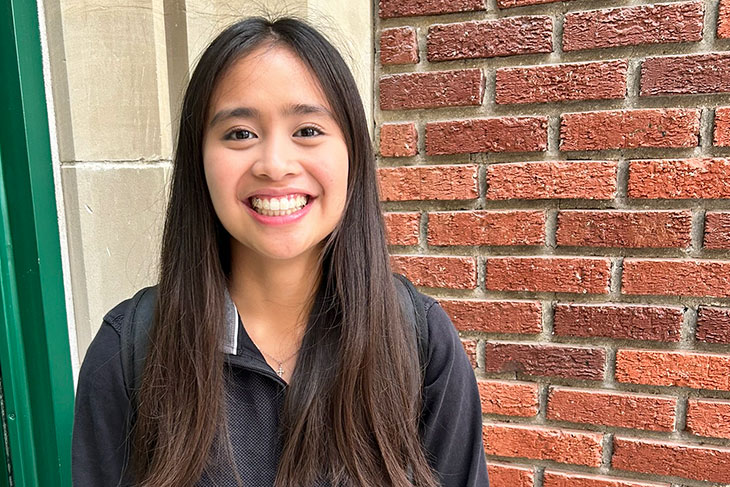 Development student Sophia Perez with more than a muddy memory – it inspired ForeSite, a startup that predicts erosion risks before heavy rainfall. Supported by faculty, classmates and SAIT’s entrepreneurial community, Sophia transformed a side project into a promising real-world solution.
Through Enactus, she developed her business model and placed third in her first pitch competition. Now, through Labs4 in SAIT’s Applied Research and Innovation Services Lab, she is testing ForeSite with real sensor data and preparing for commercialization. With her first pilot partner secured, Sophia is seeking Alberta construction companies ready to help protect waterways before the rain begins.
Beyond the spotlight: How students made FutureTech happen
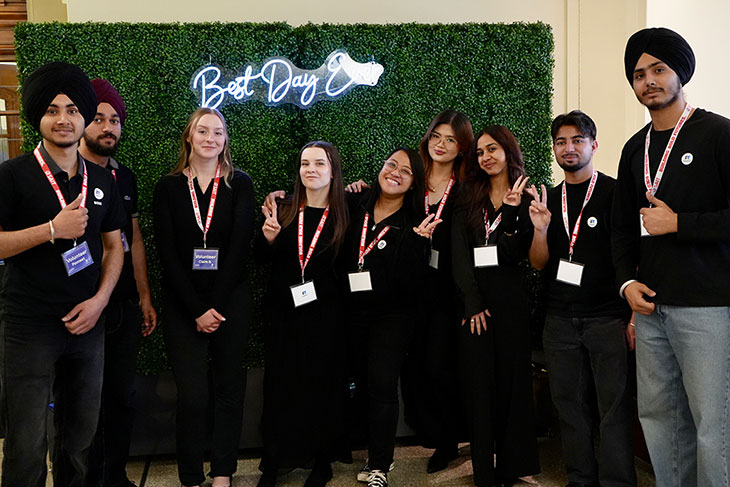
FutureTech gave students the opportunity to do more than showcase ideas. It challenged them to deliver a high-profile event from the inside out. Administrative Information Management and Film and Video Production students worked side by side to plan, coordinate, capture and execute a live event attended by investors, entrepreneurs and industry leaders. With real audiences, real stakeholders and no reset button, students developed confidence, adaptability and professional judgement while seeing the direct impact of their work. Supported by dedicated faculty and connected to industry, the experience reflects SADT’s commitment to Student Success, experiential learning, and preparing graduates to thrive in complex, collaborative workplaces.
Lights, Camera, Industry: SADT Students Step Into the Field at Energy Disruptors
 Third-semester Business of Film students recently traded the classroom for a live production environment at the Energy Disruptors conference, working alongside industry professionals to capture interviews, keynote sessions and event coverage. Operating cameras, managing audio, and producing content in real time, students gained hands-on experience that mirrors the expectations of the creative industries they are preparing to enter. The project has already generated momentum, with several student teams continuing to develop the footage into new media projects. This experience reflects SADT’s commitment to Student Success through applied learning, Faculty and Staff Excellence through industry-connected instruction, and Industry Partnership by creating authentic opportunities for students to build professional skills and confidence.
Do you know someone in your university who would be interested in this newsletter? Forward the email to colleagues or share the link with your networks.
All members are invited to contribute to this newsletter through their Operational Board Member (found here). Please contact your Operational Board member with stories or events which will be of relevance to the shared vision and commitments of the WTUN and its members, inspiring opportunity for engagement on commonalities, sharing knowledge, or collaboration.
All calls for content can be shared with the WTUN Secretariat at wtun@bradford.ac.uk.
To discuss joining the World Technology Universities Network, please contact the WTUN Development Manager:
Denise Whitehead
Email: wtun@bradford.ac.uk