Home » News » WTUC2026 Brings Global Perspectives Together to Advance Responsible Science
WTUC2026 Brings Global Perspectives Together to Advance Responsible Science
12th November 2026
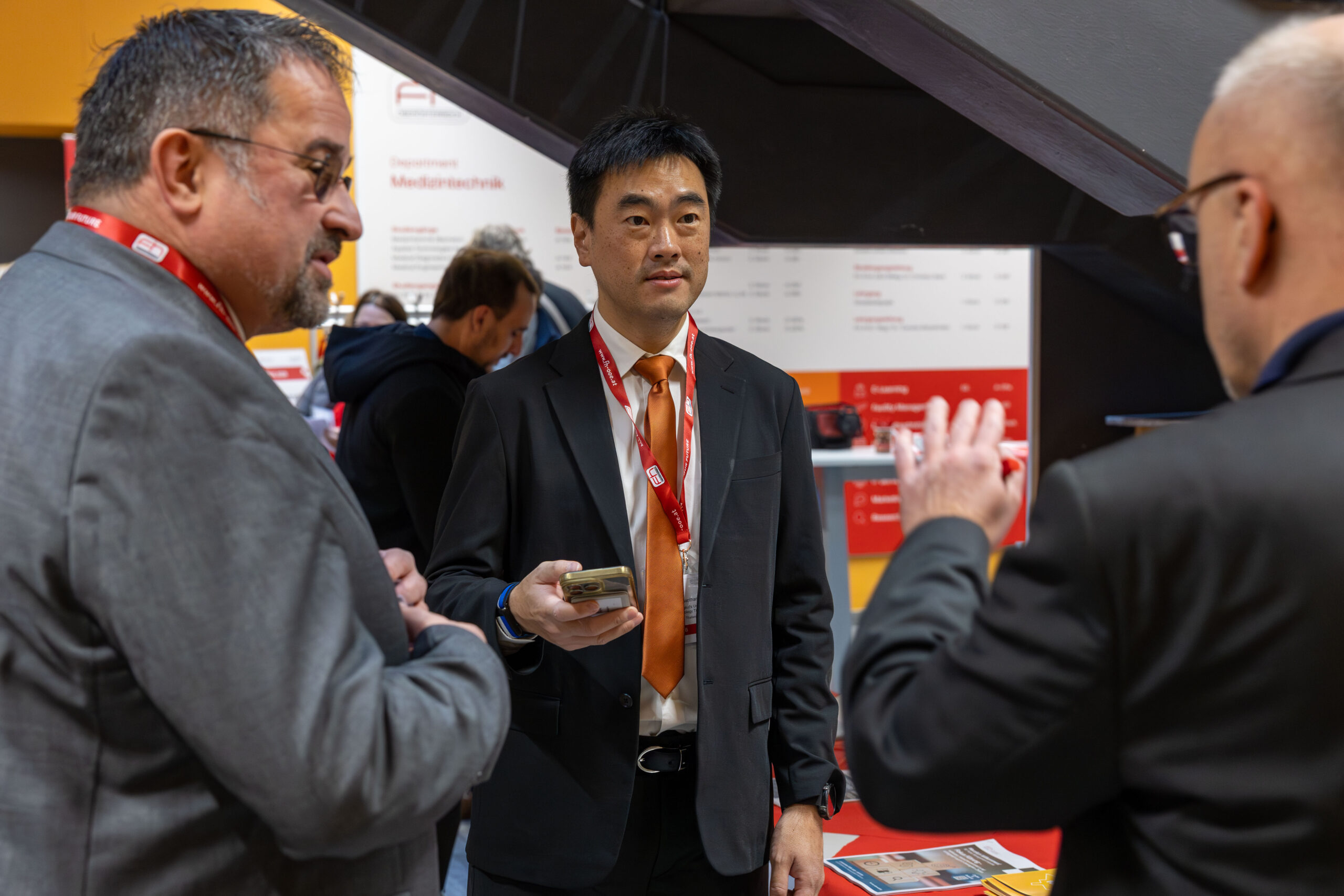
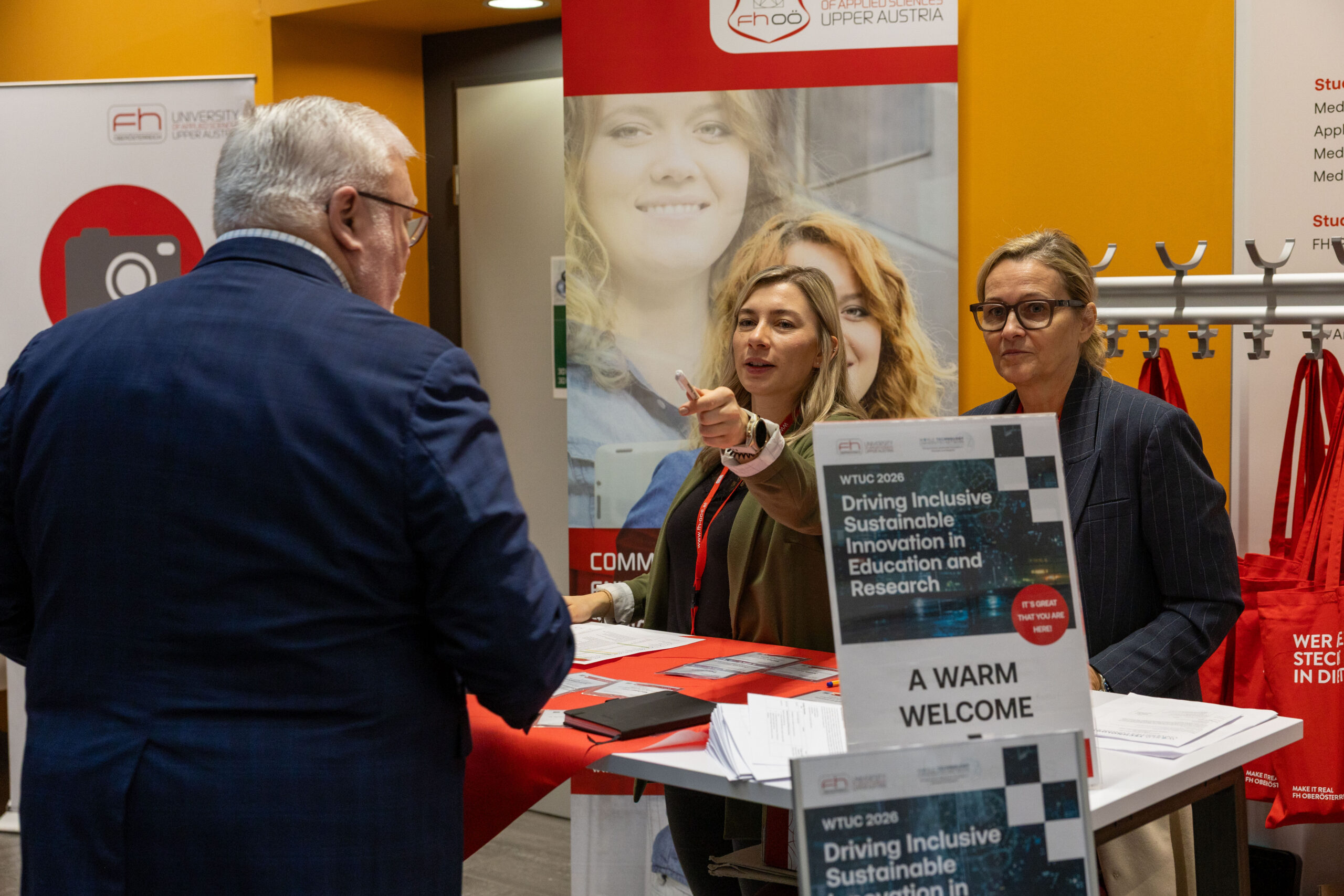
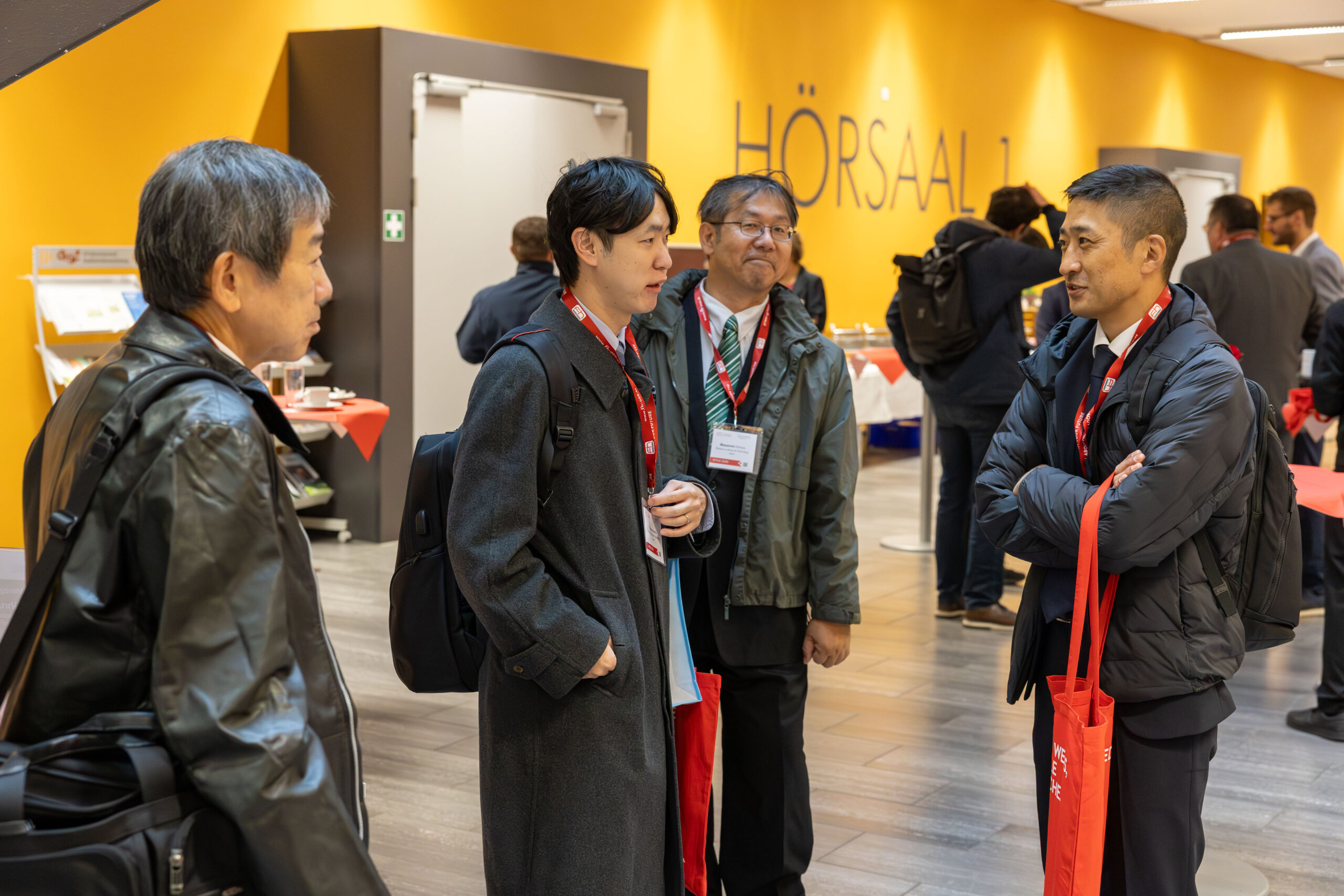
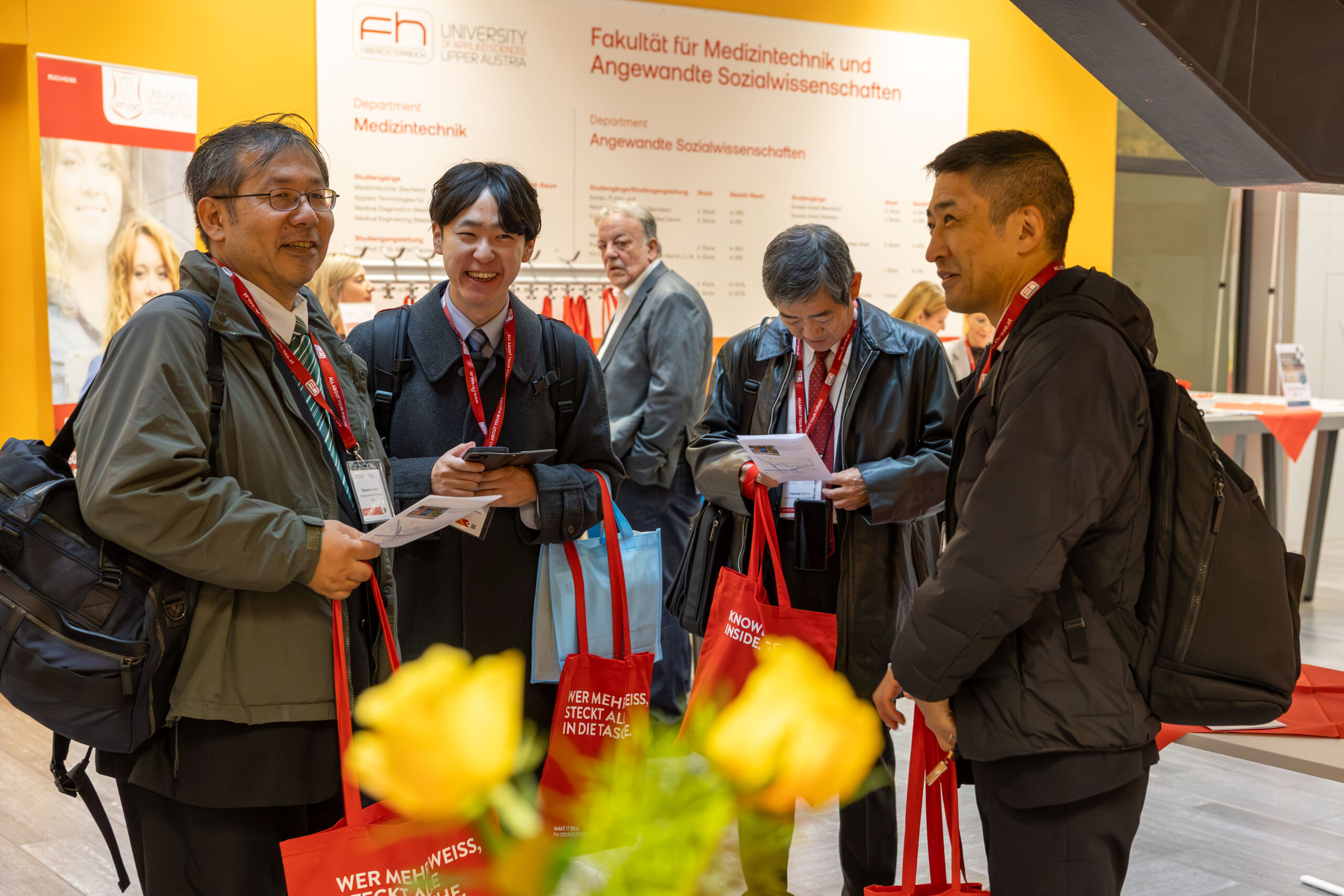
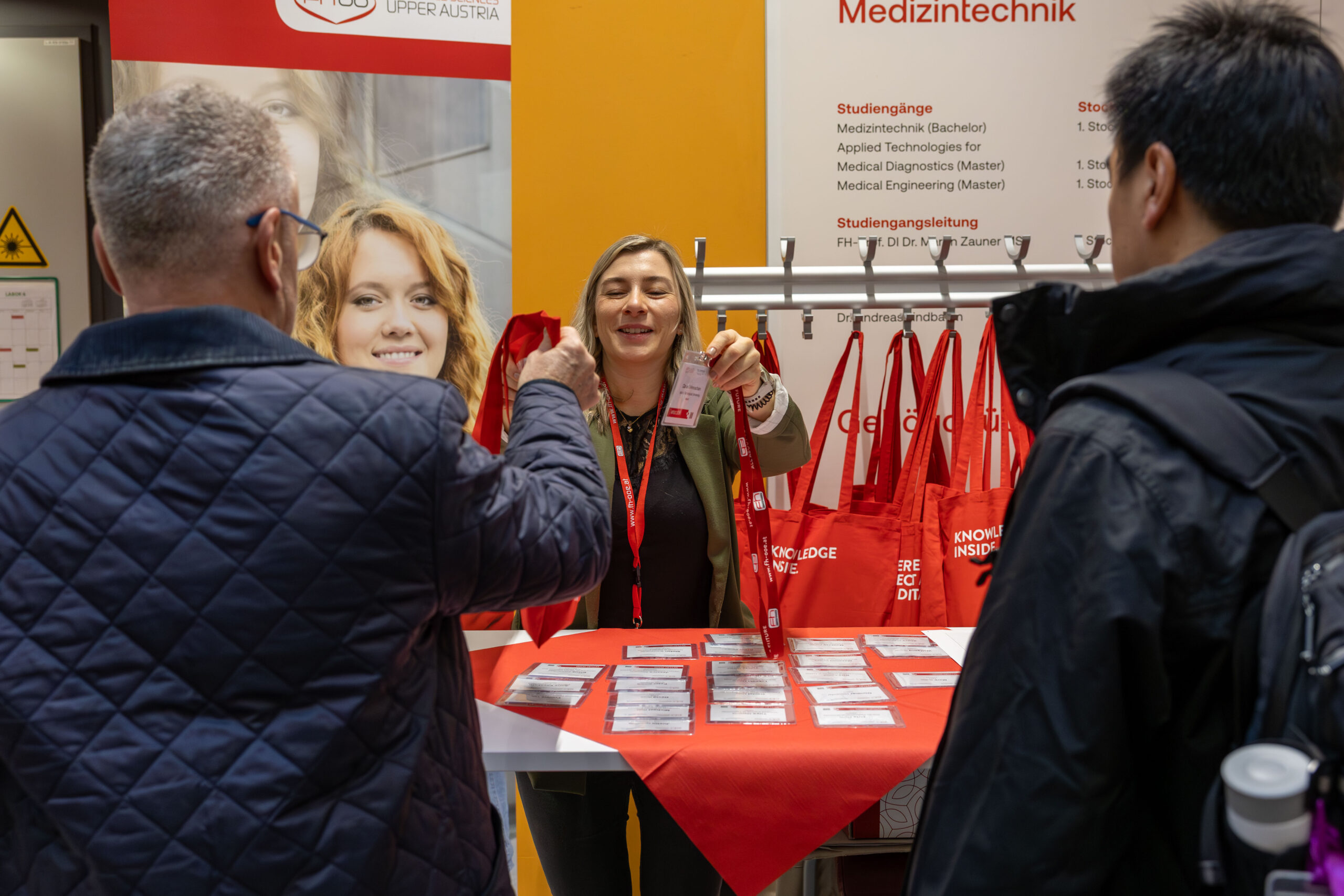
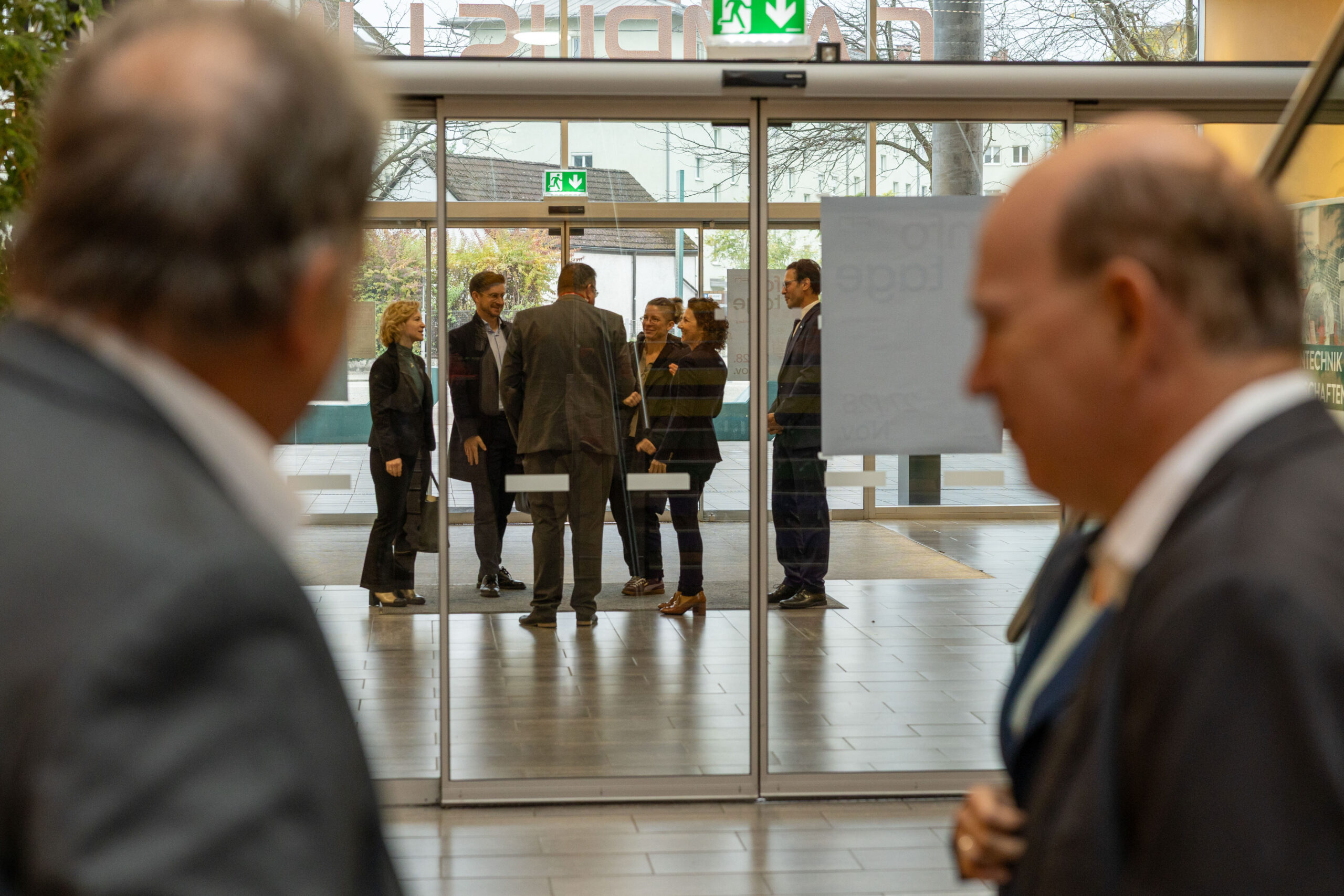
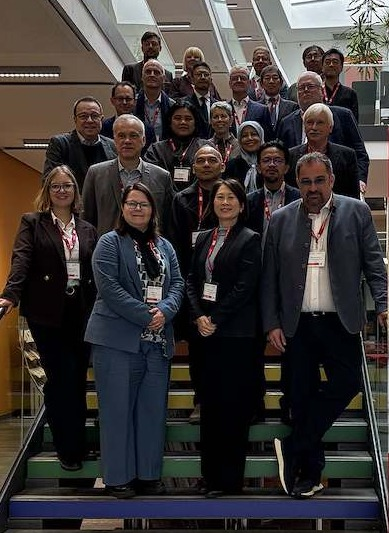
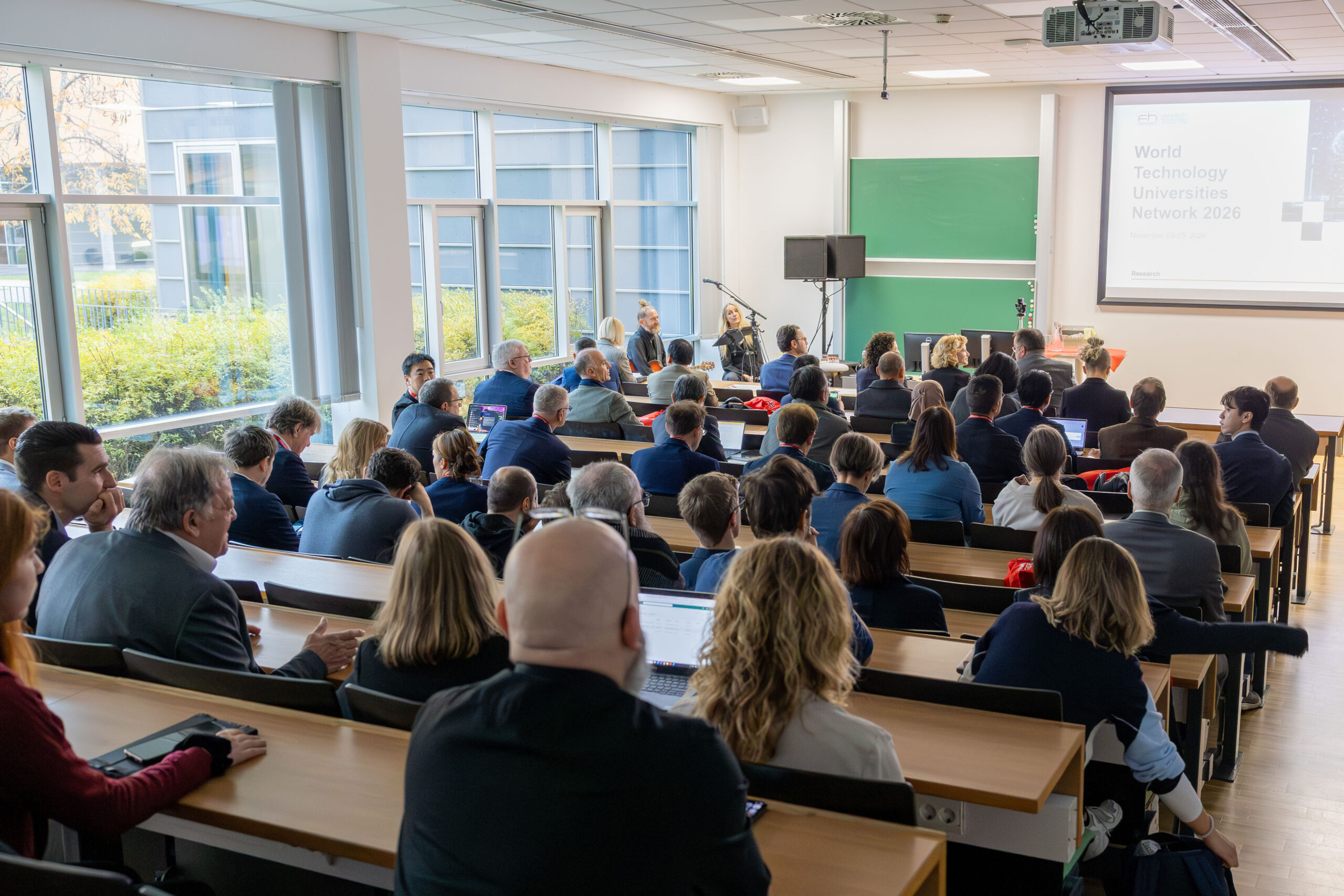
Colleagues from across the World Technology Universities Network gathered in Linz, Austria, from 3-5 November for WTUC2026, hosted by the University of Applied Sciences Upper Austria.
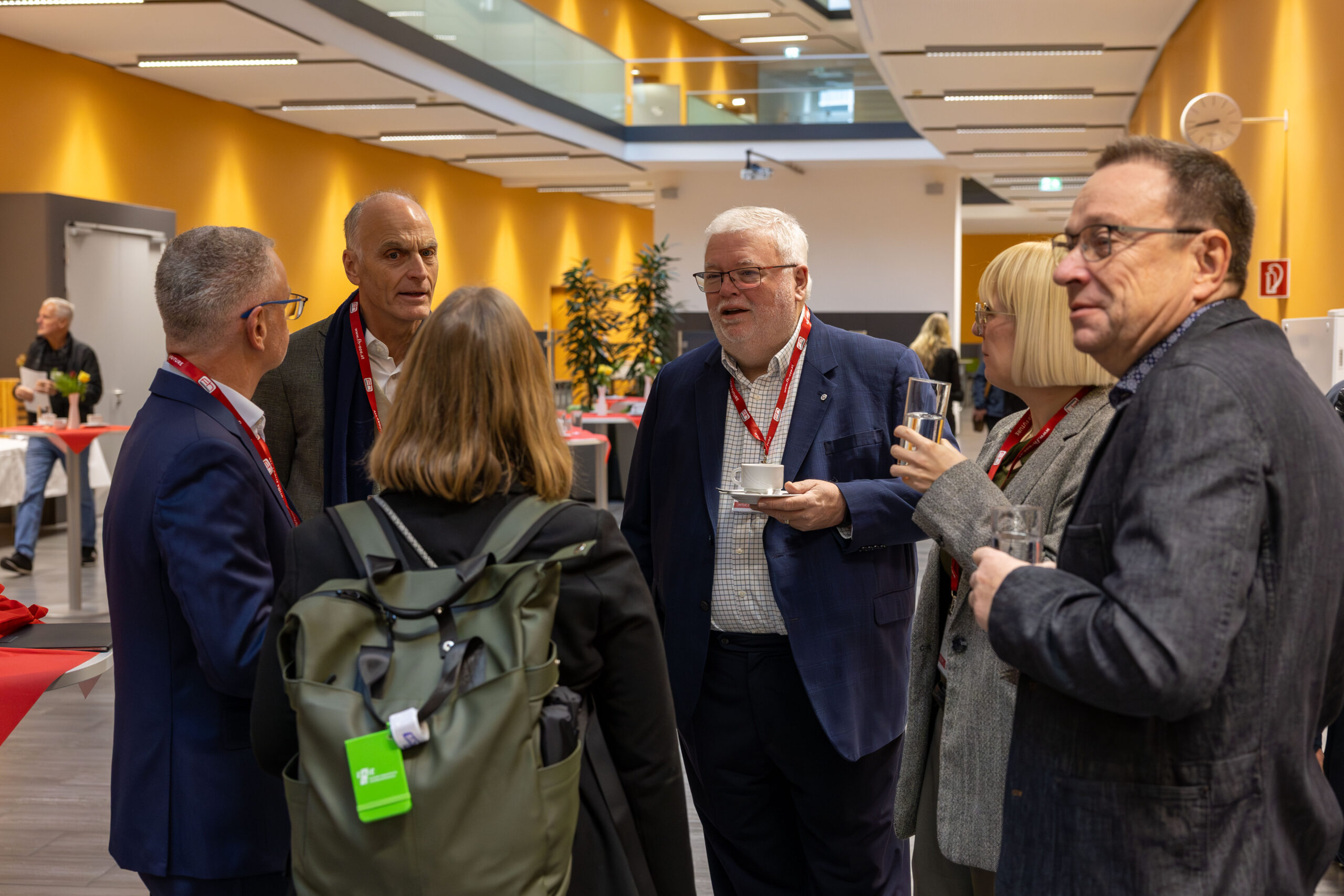
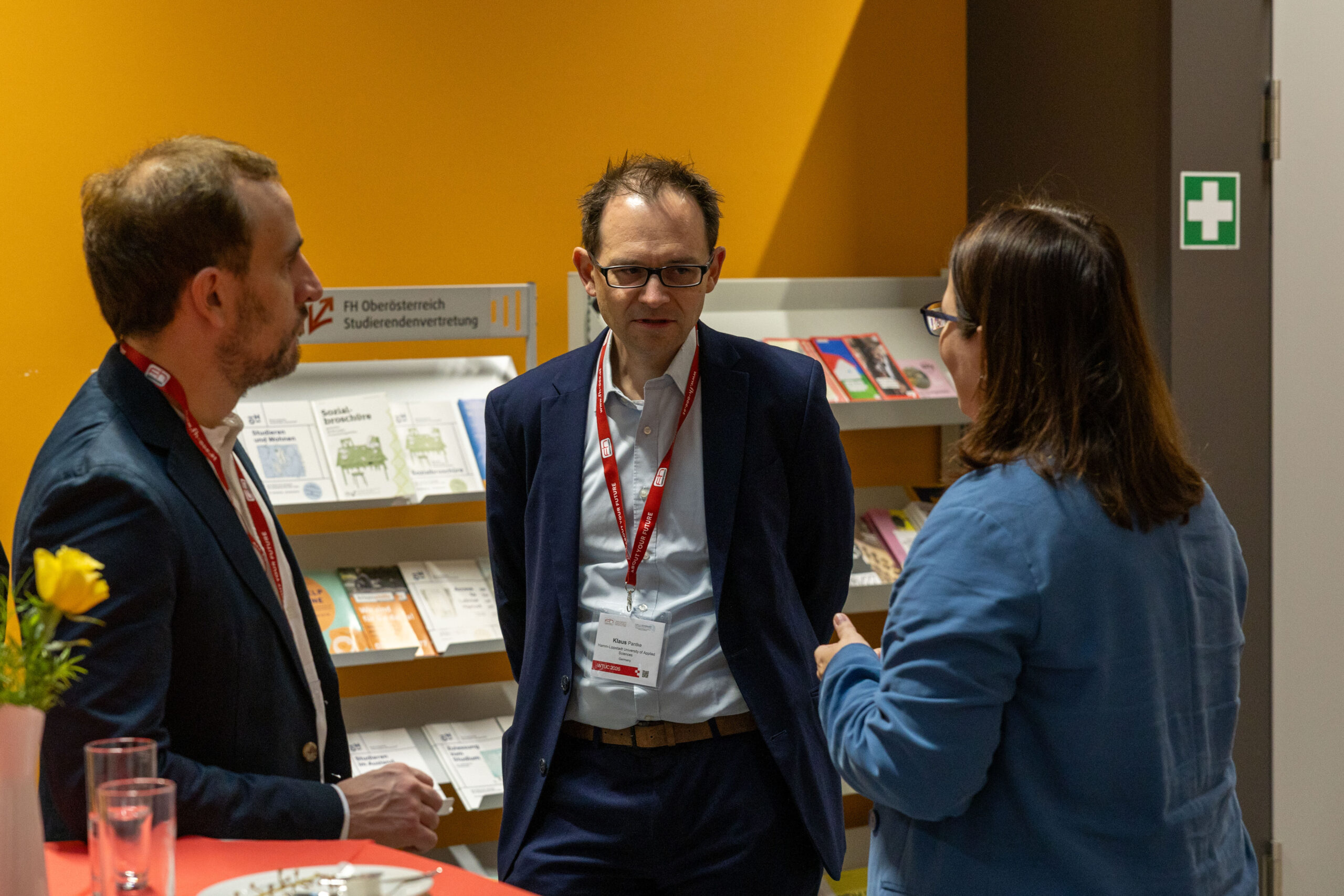
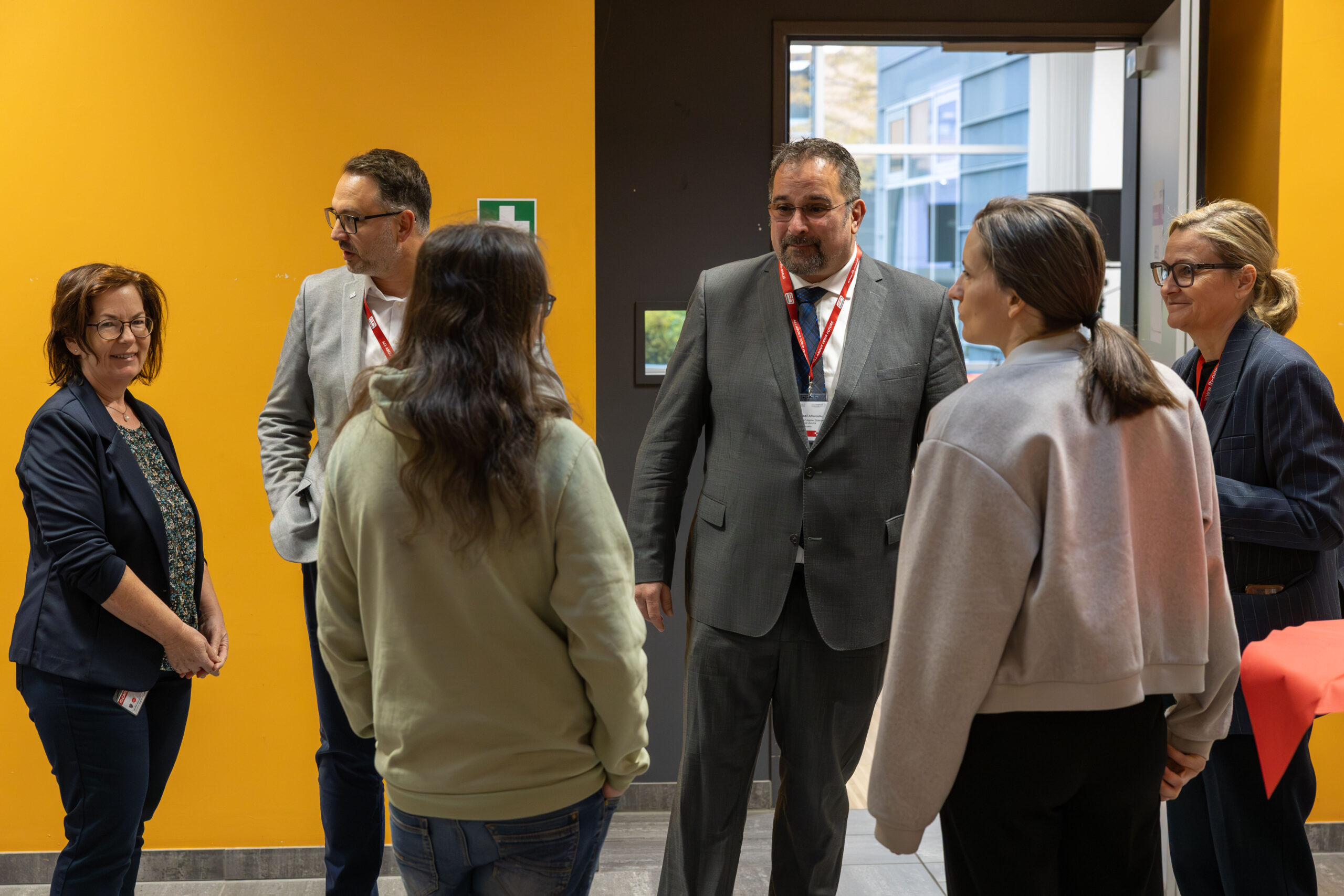
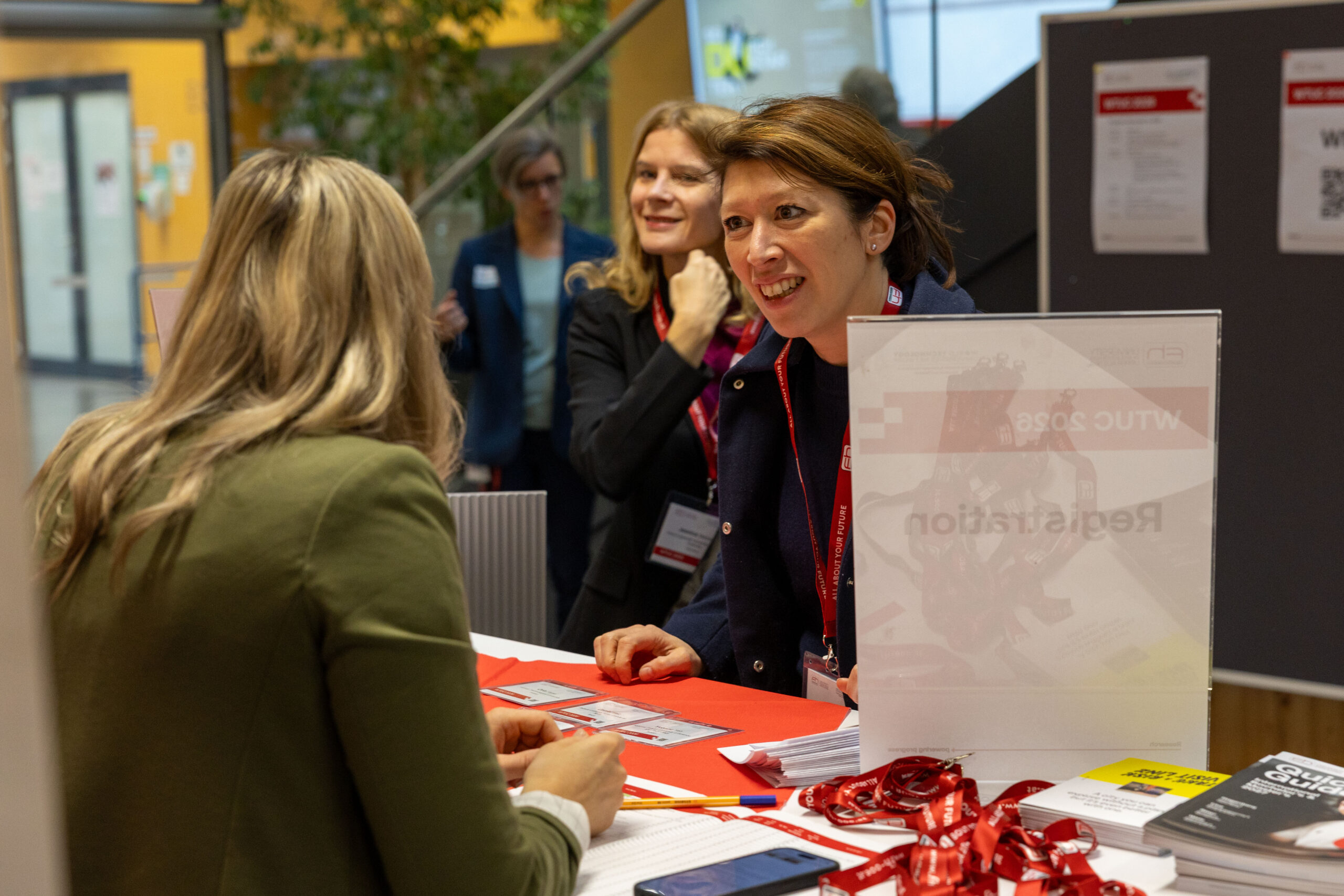
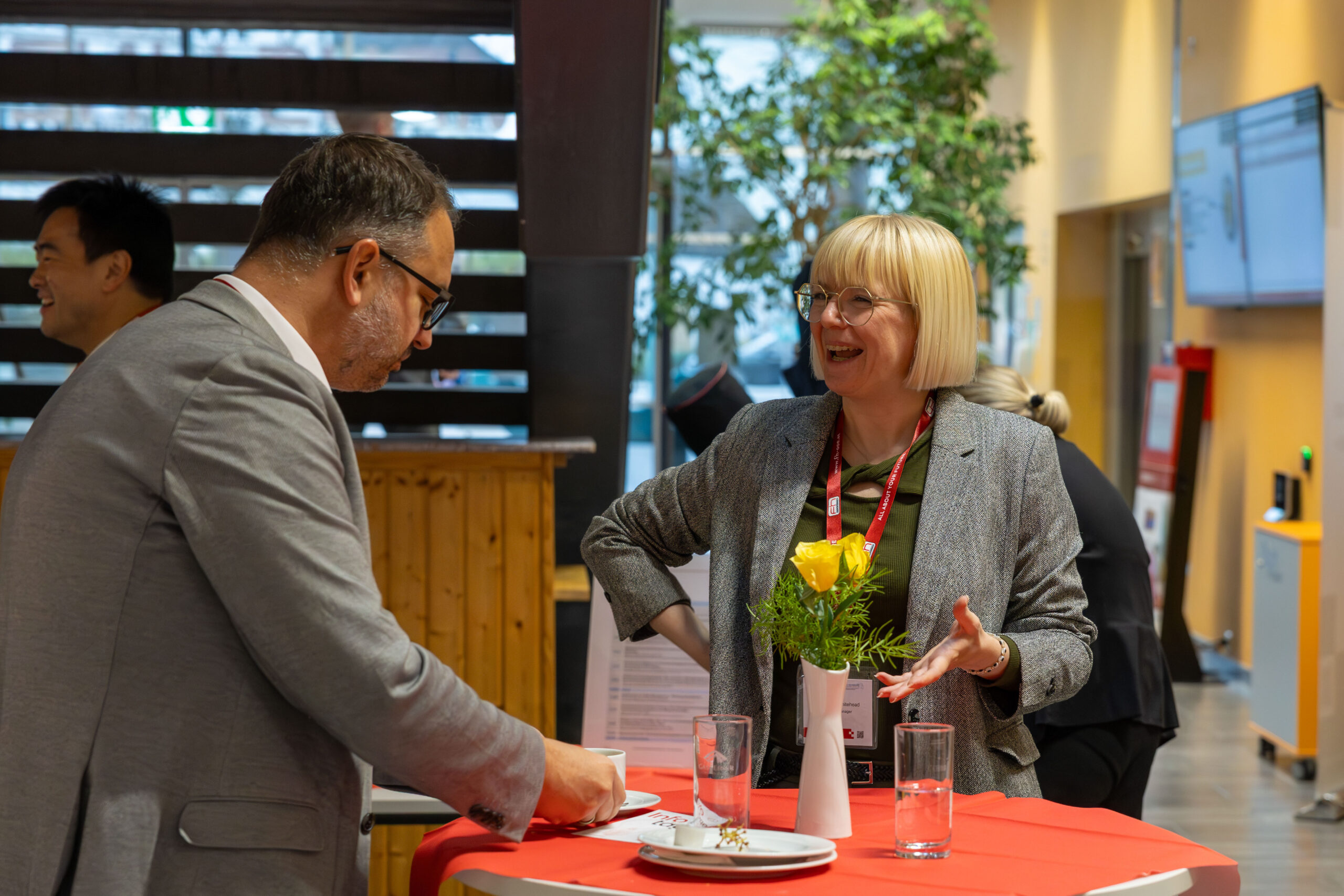
Under the theme ‘Responsible Science’ delegates explored how technology universities can contribute to a more sustainable, innovative and inclusive future through research, education and international collaboration. Across three days of presentations, discussion and networking, participants shared examples of good practice, examined emerging challenges and identified new opportunities for collaboration across the WTUN.
Day One: Exploring Responsible Science Through Leadership, Sustainability and Artificial Intelligence
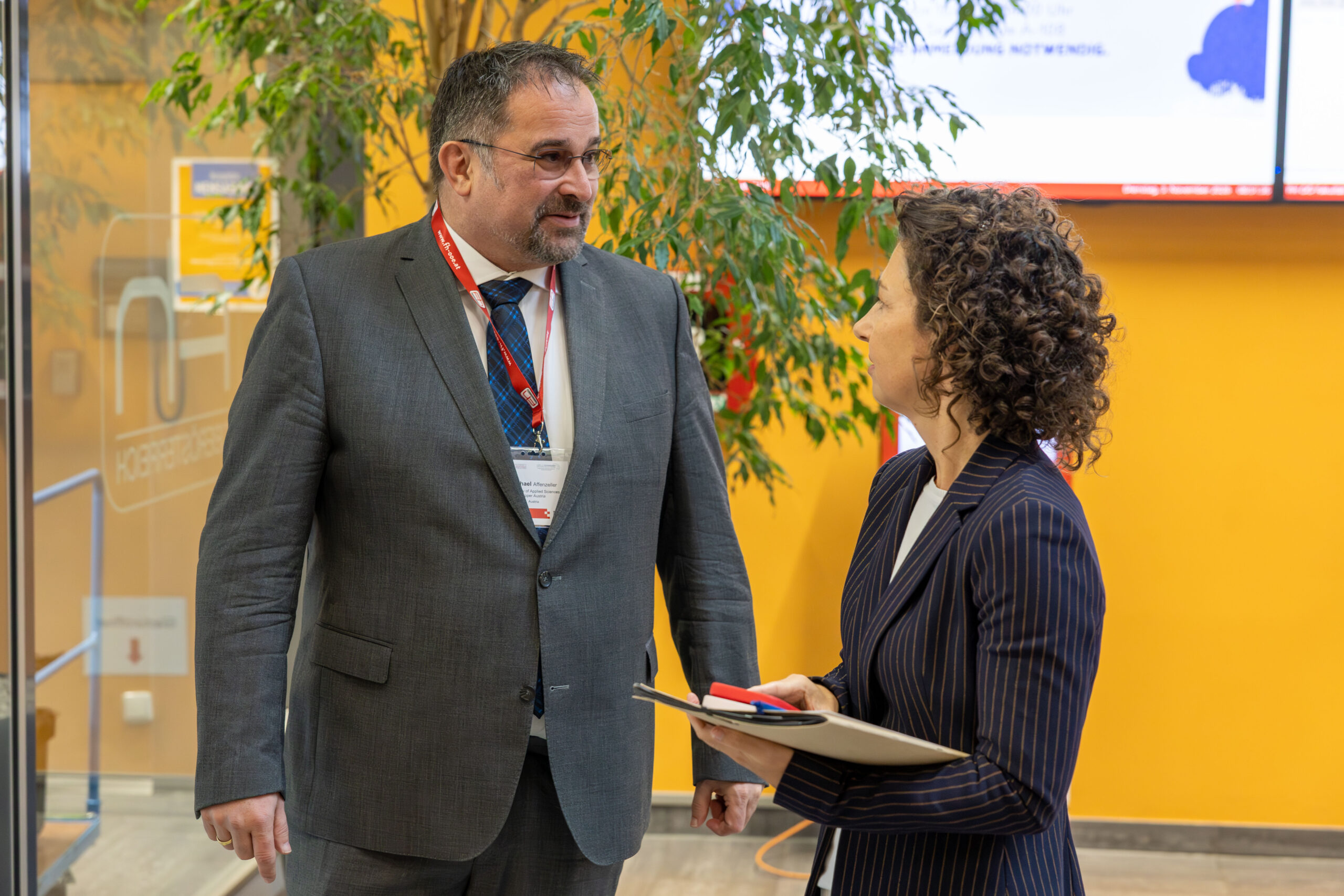
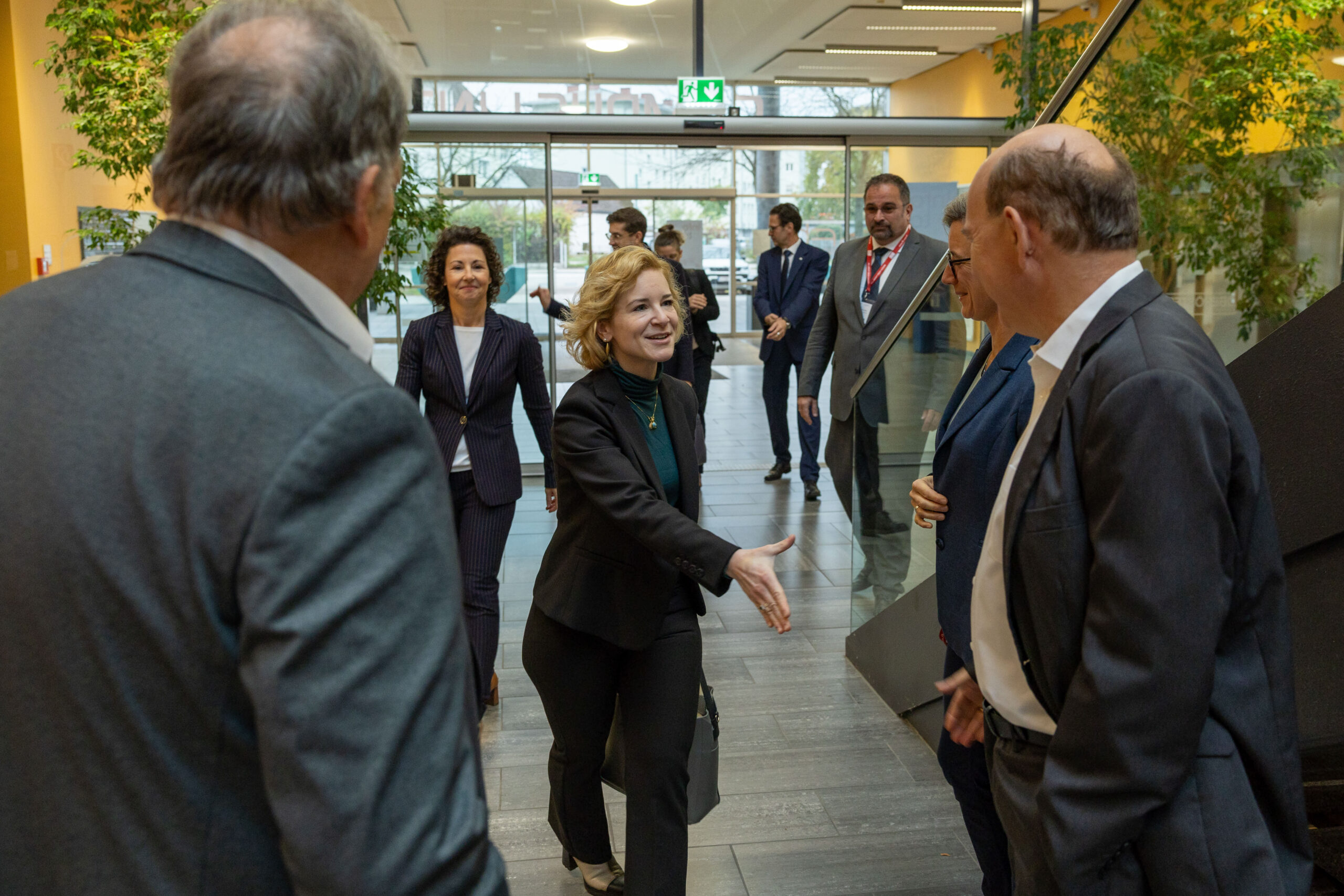
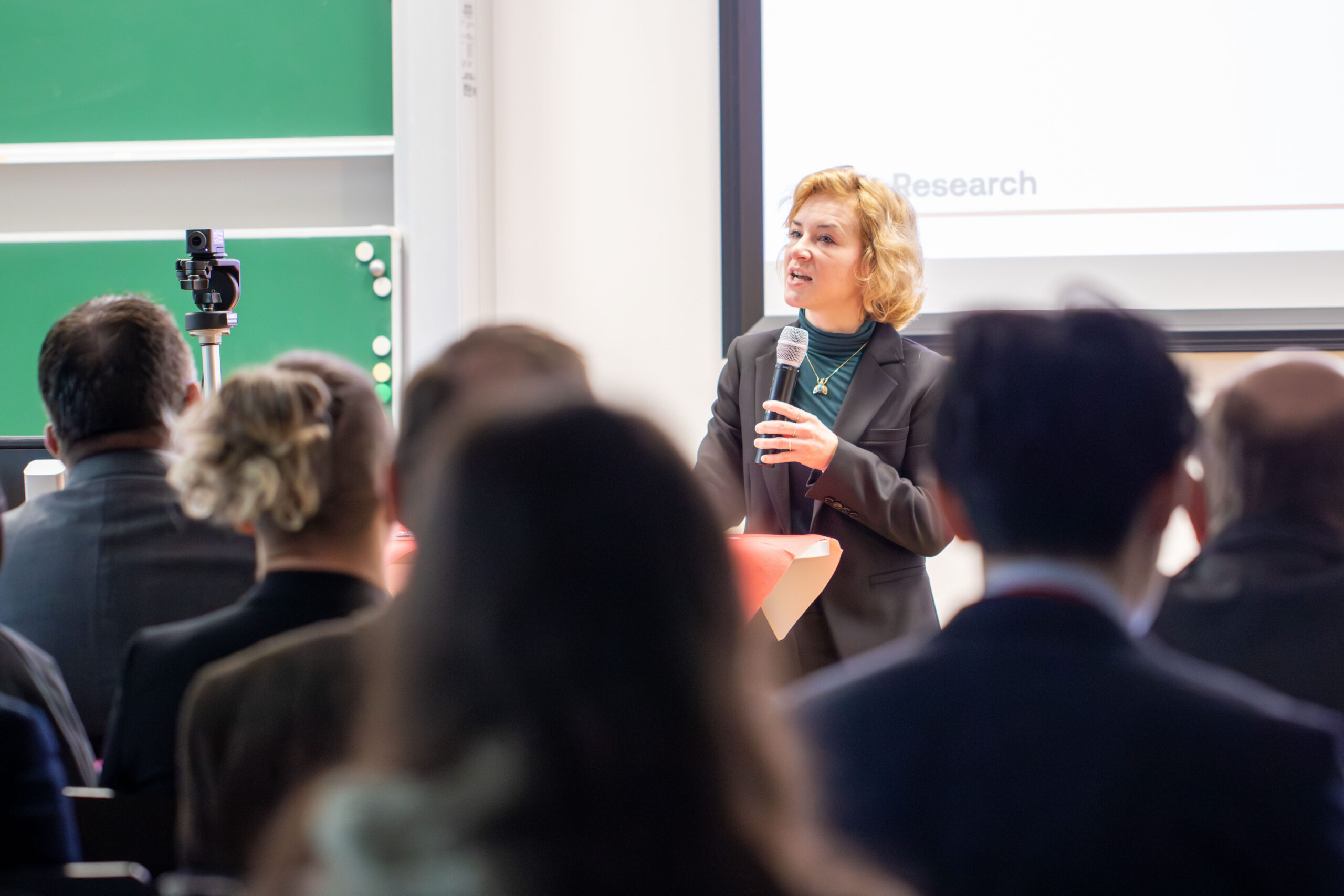
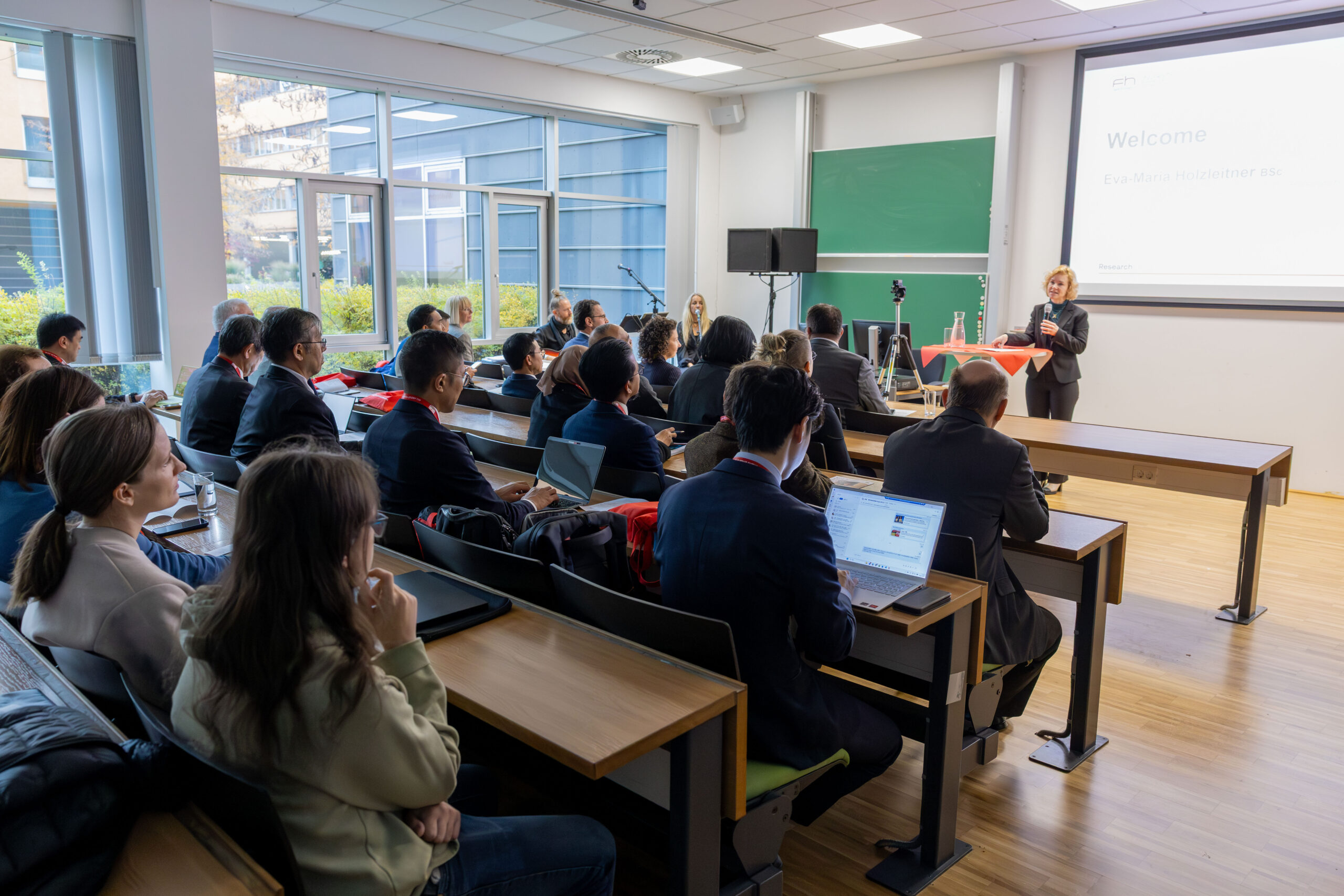
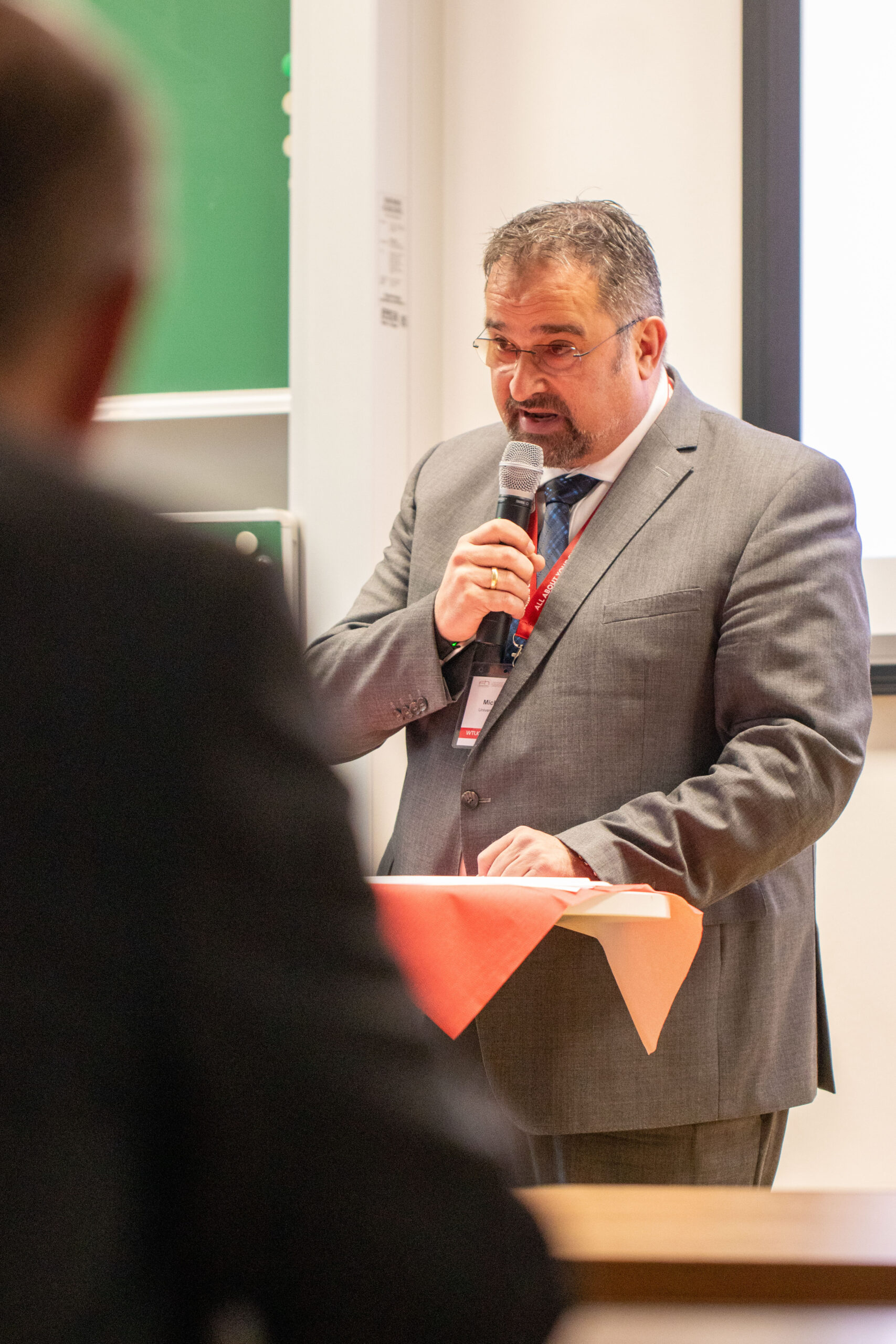
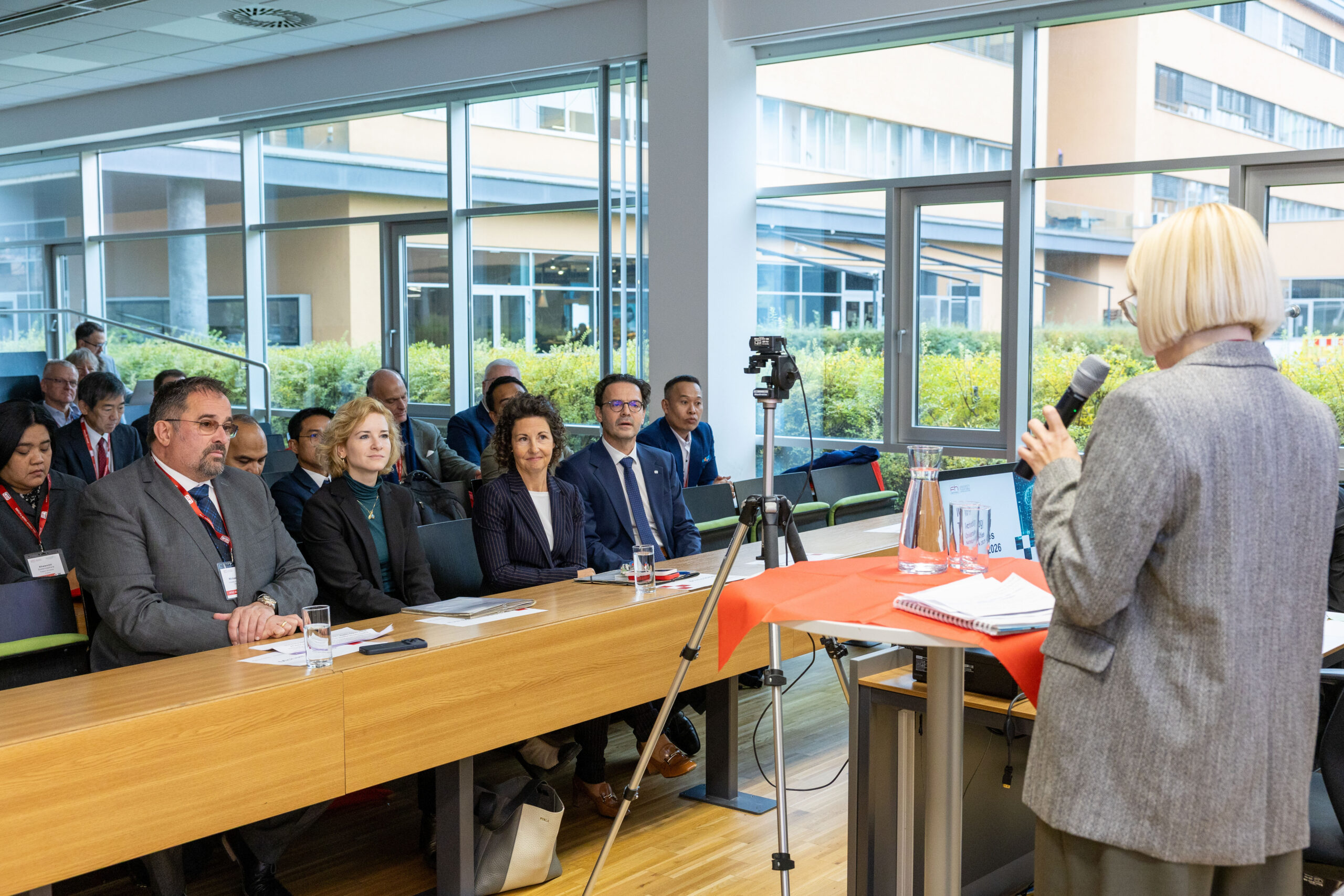
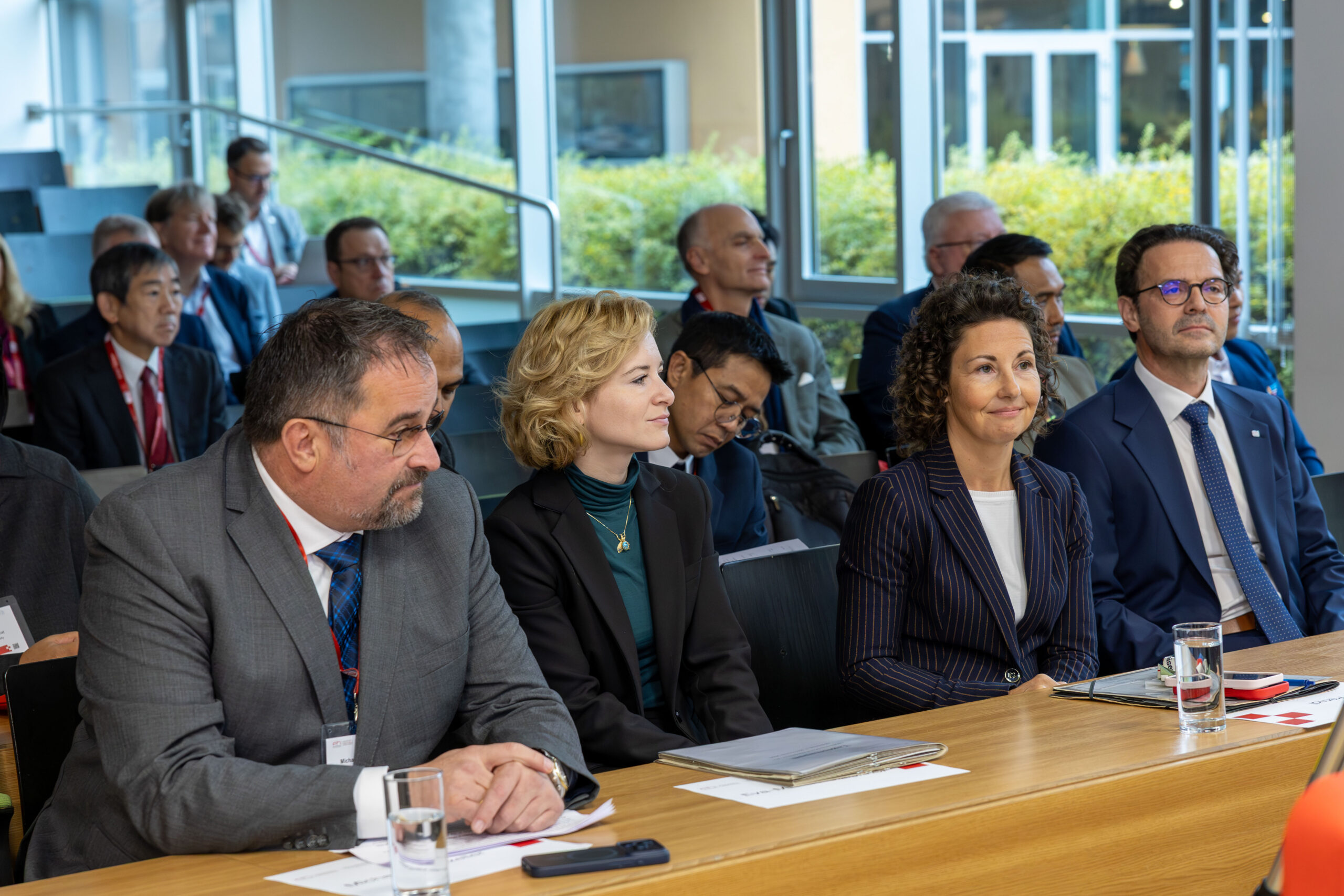
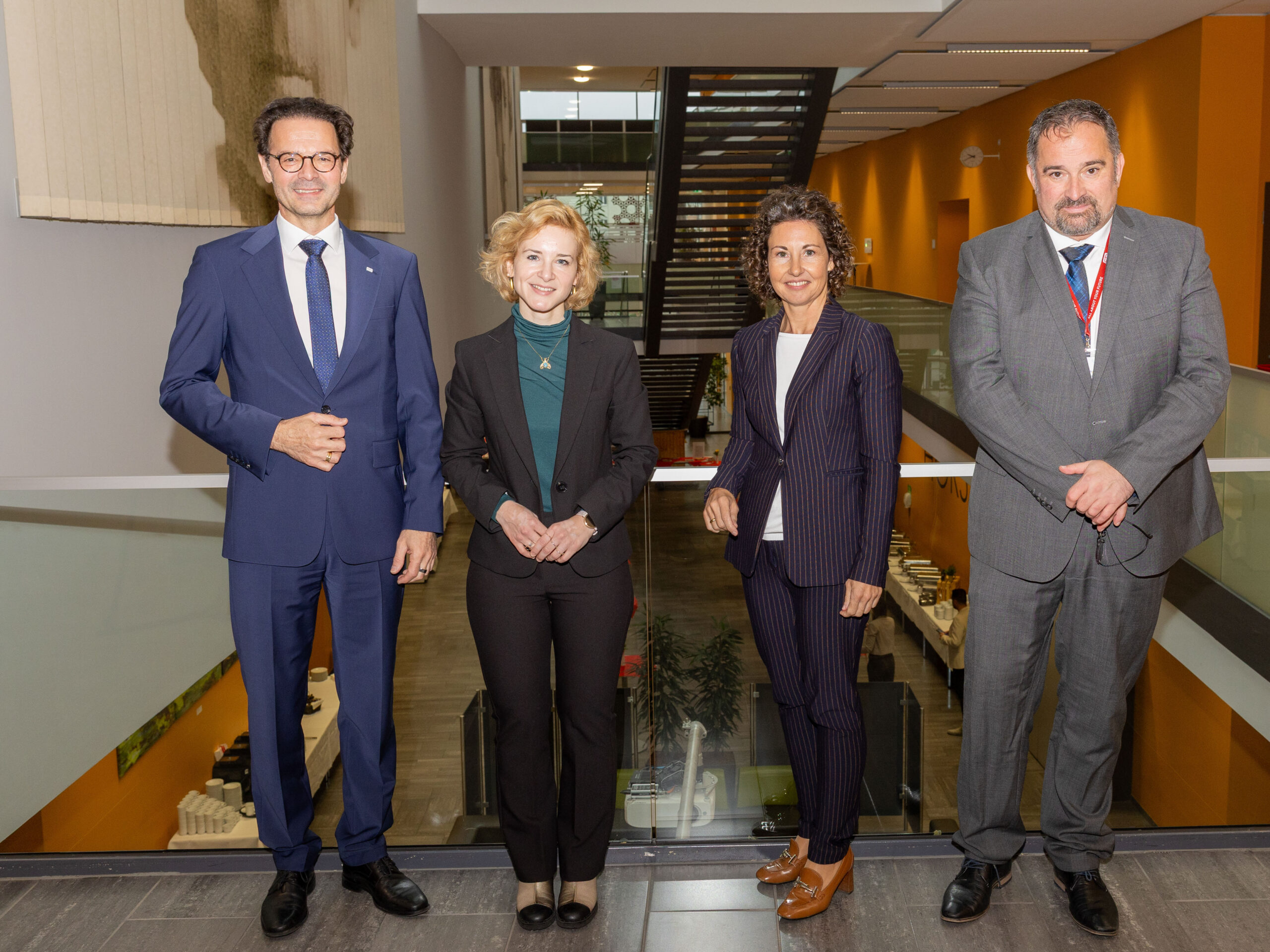
WTUC2026 was formally opened by Dr. Michael Affenzeller, Chair of the World Technology Universities Network followed by a welcome address from Dr. Michael Rabl, President of the University of Applied Sciences Upper Austria and Austrian Federal Minister for Women, Science and Research, Eva-Maria Holzleitner.
Their opening remarks highlighted the importance of international scientific collaboration, the contribution of technology universities to addressing global challenges and the role of responsible innovation in shaping a sustainable future.
Photo Credit: B. Plank – imBILDE.at
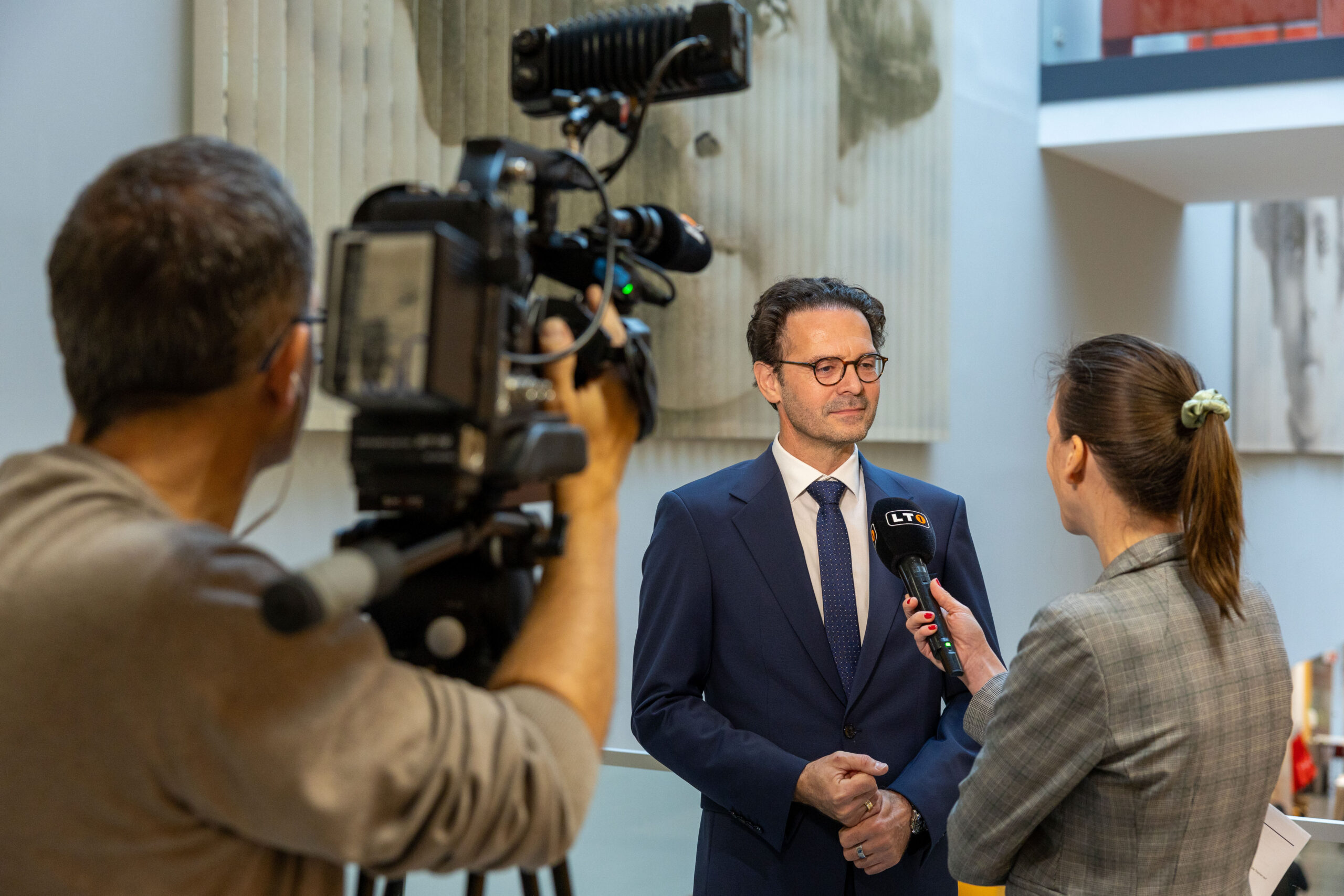
To mark the opening of the Congress, Austrian broadcaster LT1 featured WTUC2026 in its report “Brauchen Wissenschaft für alle” (“Science for Everyone”)
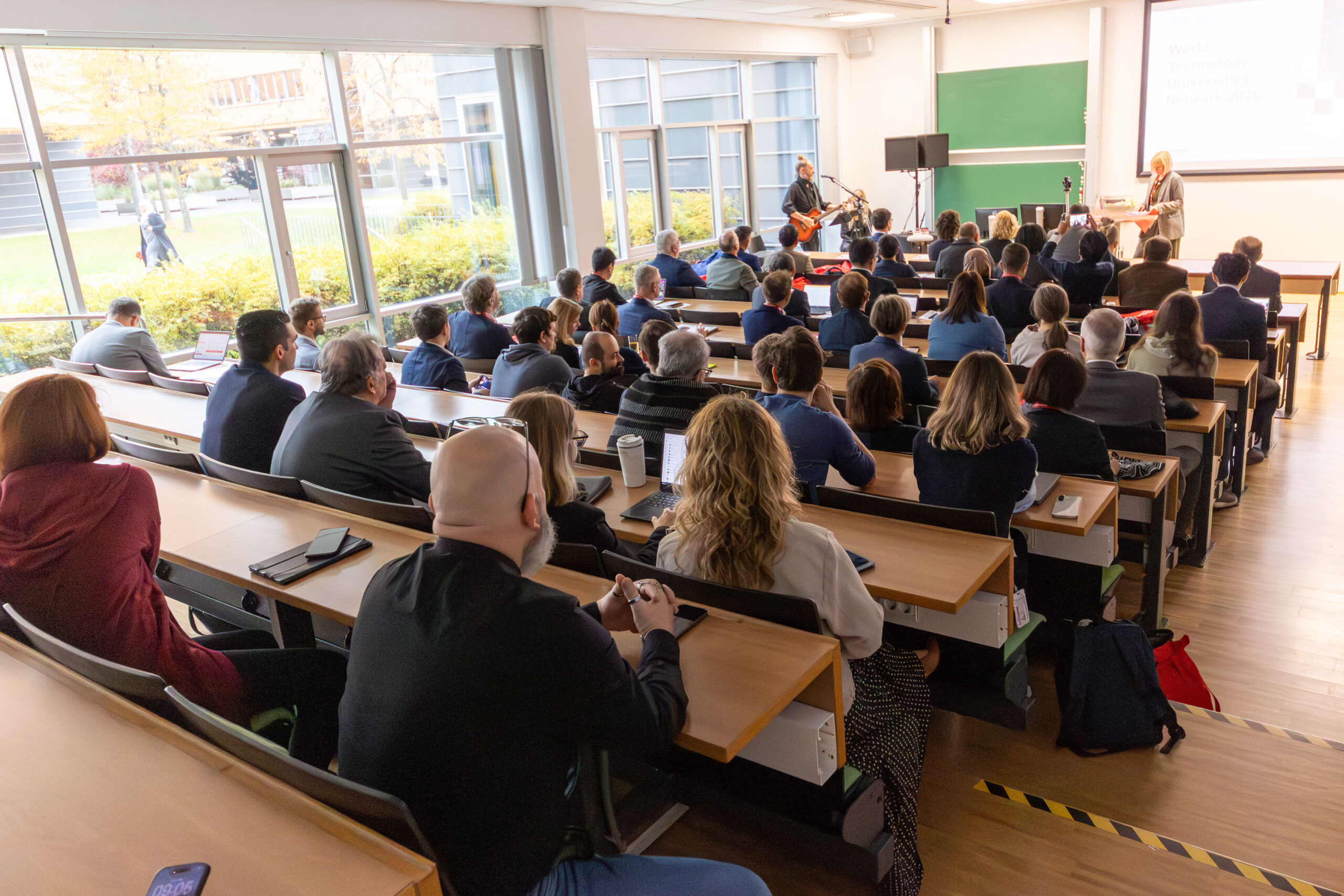
In his keynote ‘The Narrow Lens: Why Smart Companies Misread the Future – and How Future-Makers Can Push Back’, Professor Shamiyeh examined why organisations can struggle to anticipate and respond to future change. He argued that major strategic failures often occur when decisions are shaped through a single perspective rather than informed by diverse viewpoints. The lecture set the tone for a Congress focused on collaboration, adaptability and the importance of broadening perspectives when addressing complex global challenges.
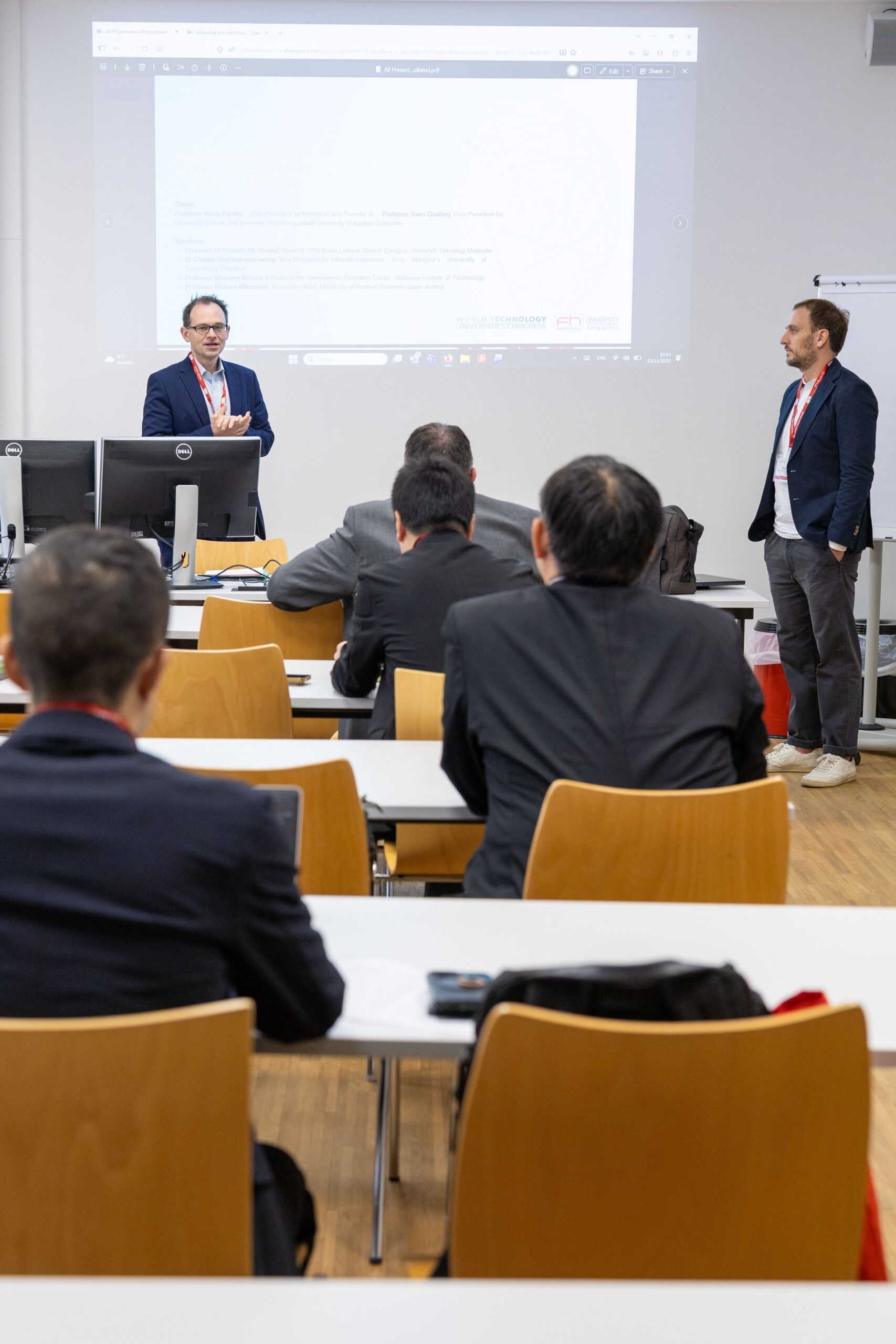
The morning continued with parallel sessions exploring sustainability and artificial intelligence as two key dimensions of Responsible Science.
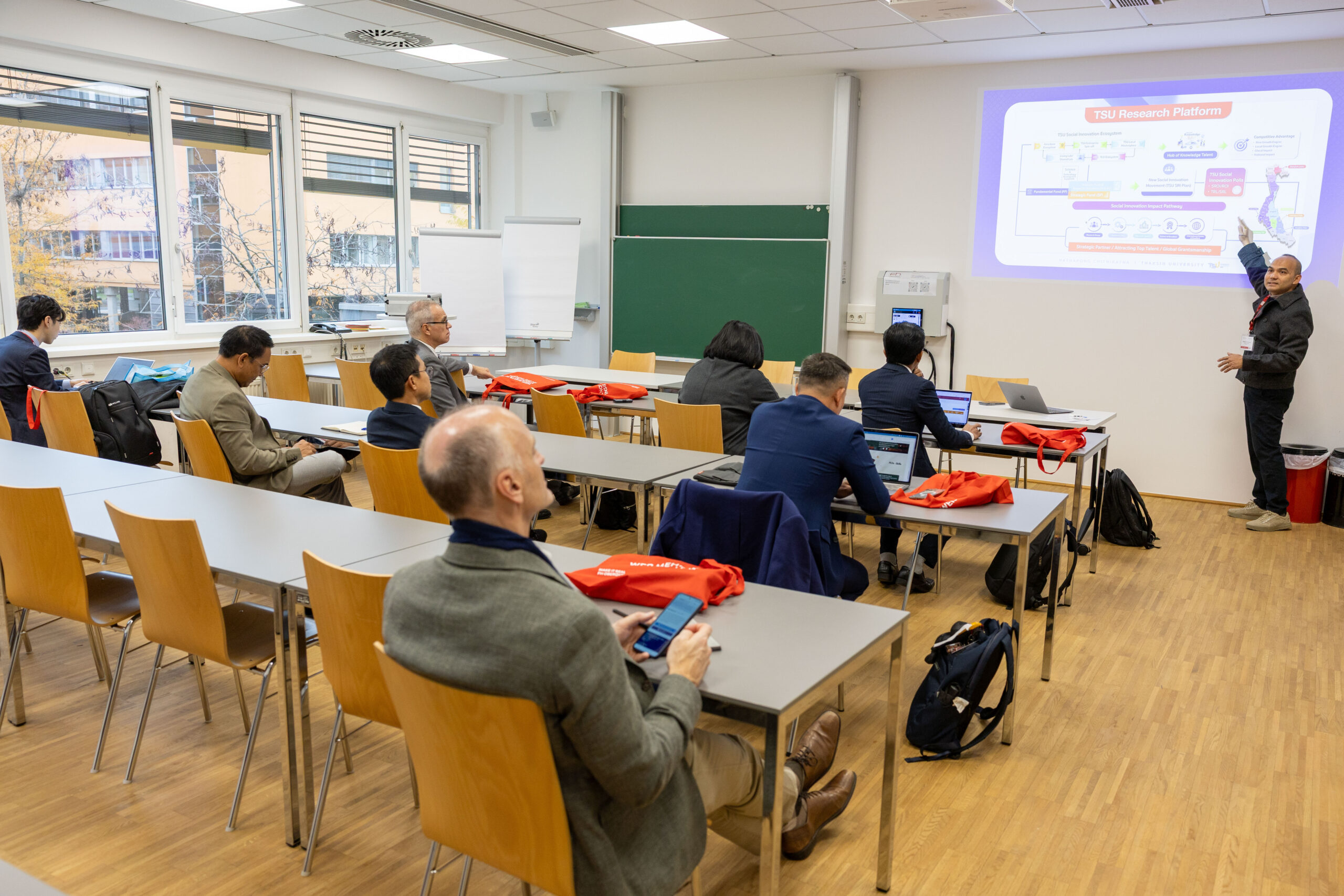
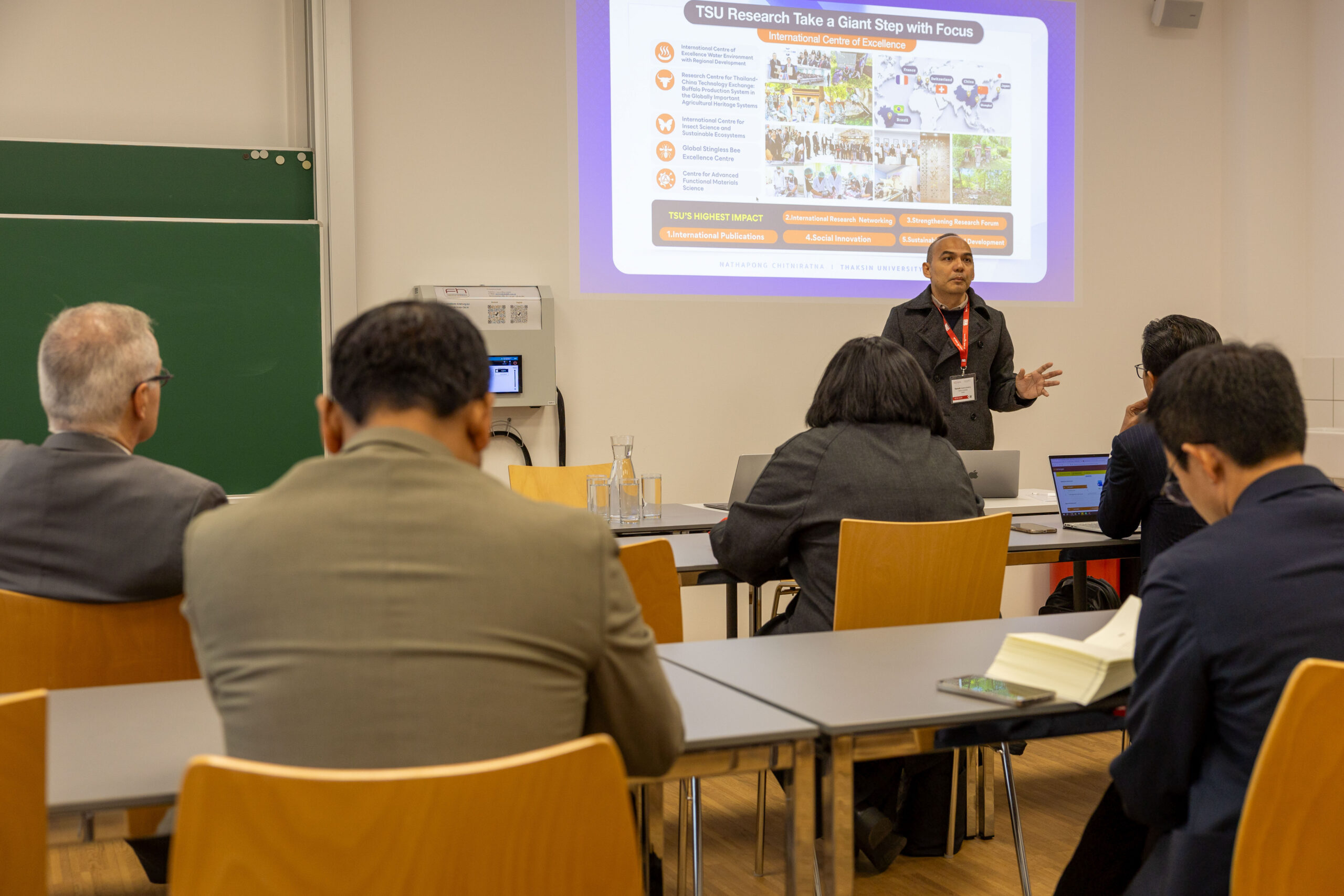
The sustainability session brought together perspectives from Universiti Teknologi Malaysia, Federal University of Rio Grande do Norte, Thaksin University and the University of Applied Sciences Upper Austria.
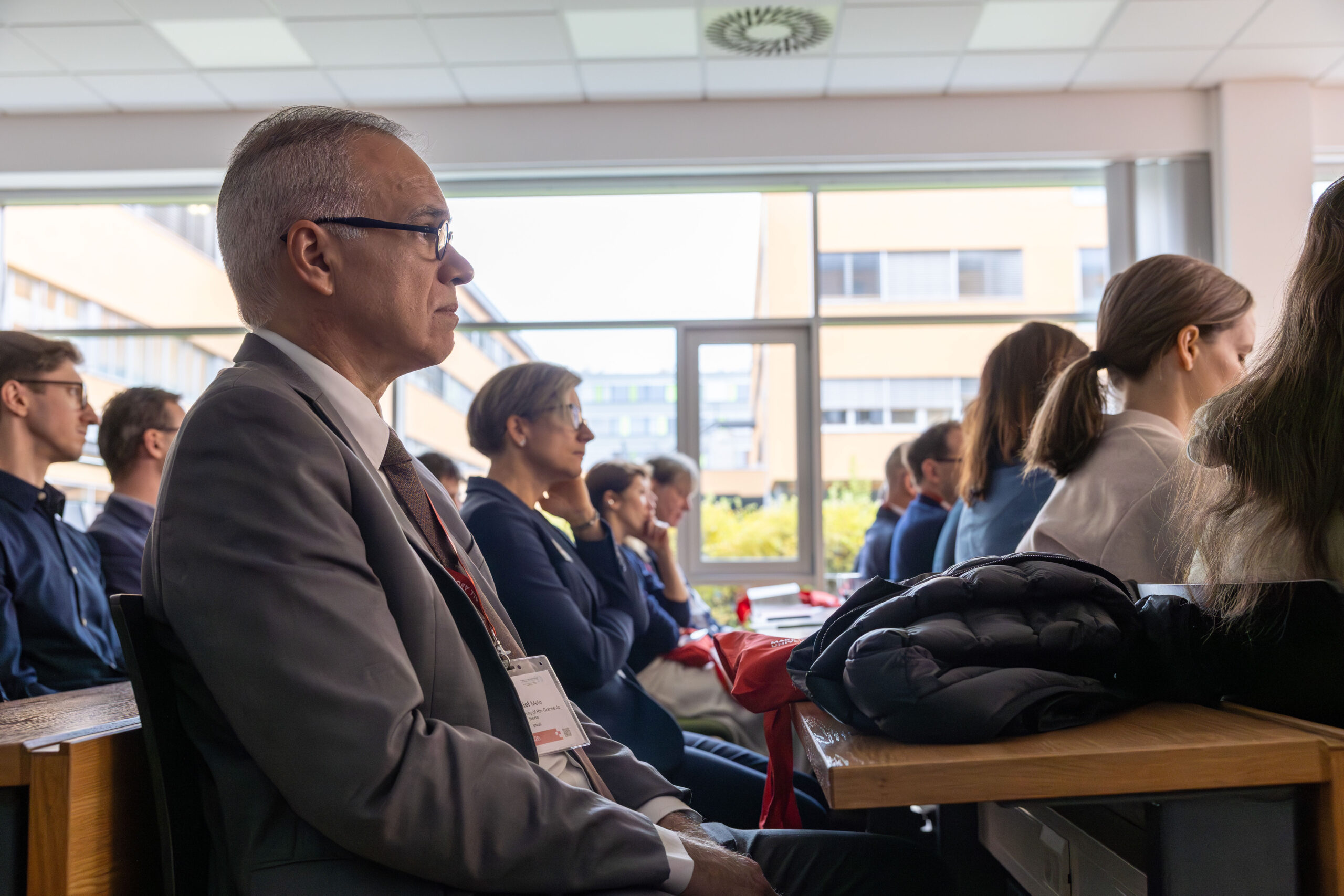
Professor Ir. Ts. Dr. Zaini Ahmad presented approaches to embedding sustainability through Environmental, Social and Governance (ESG) frameworks, carbon reduction initiatives and the use of data-driven tools to support decarbonisation efforts across university campuses. Professor Jose Daniel Diniz Melo demonstrated how sustainability and inclusion are closely interconnected through initiatives designed to widen participation in research and support underrepresented groups within the academic community. These examples highlighted the importance of diversity as a cornerstone of responsible and sustainable scientific practice.
Dr Samak Kaewsuksaeng shared examples of community-powered social innovation in Southern Thailand, illustrating how universities can work alongside communities to address social, economic and environmental challenges while supporting long-term sustainable development. Professor Marc Kurz focused on the role of trusted and accessible energy data in achieving sustainability goals, presenting examples from European projects that support energy transition, research collaboration and innovation through shared data infrastructures.
Together, the presentations demonstrated that sustainability extends beyond environmental responsibility to encompass inclusion, community engagement, institutional leadership and international collaboration.
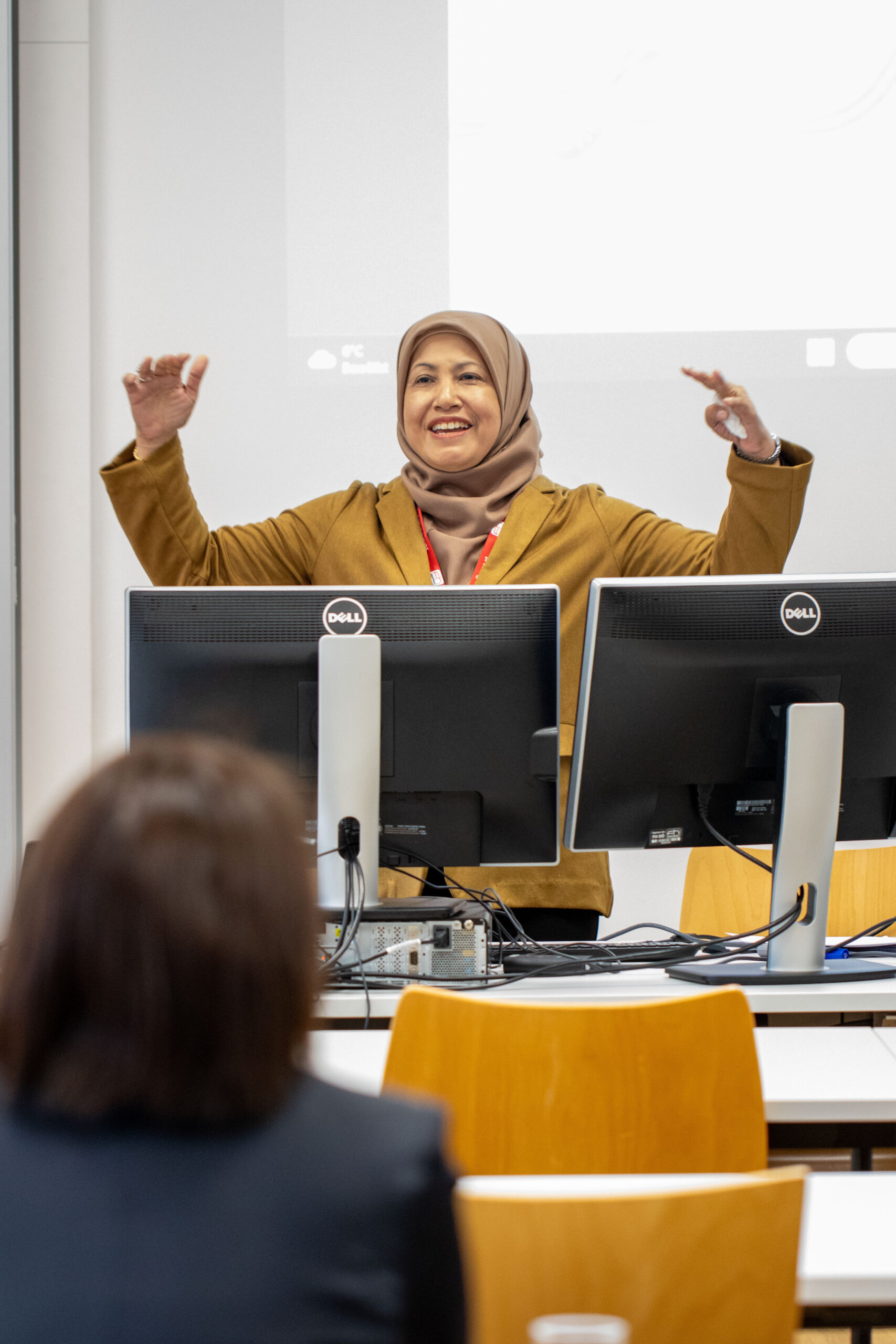
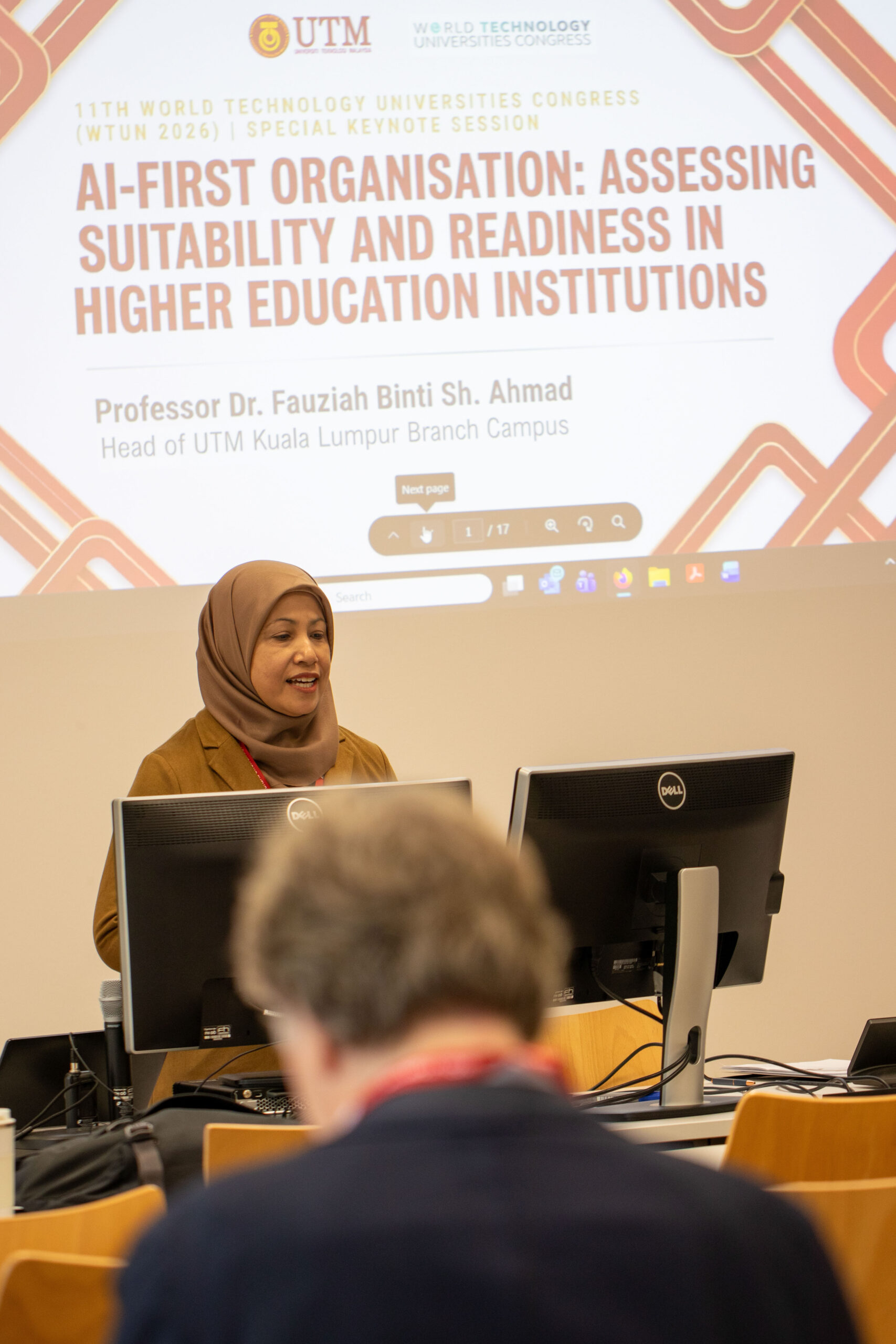
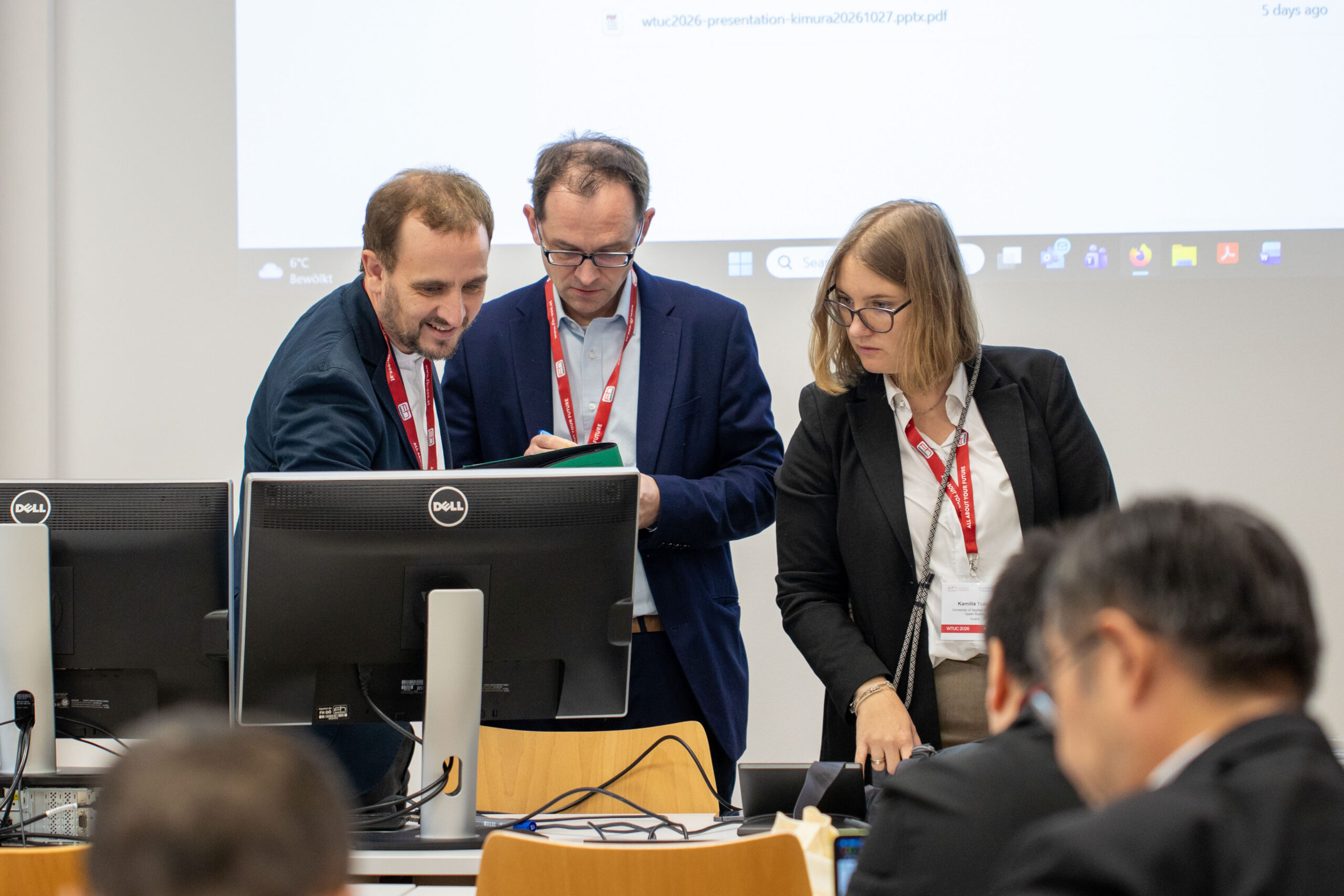
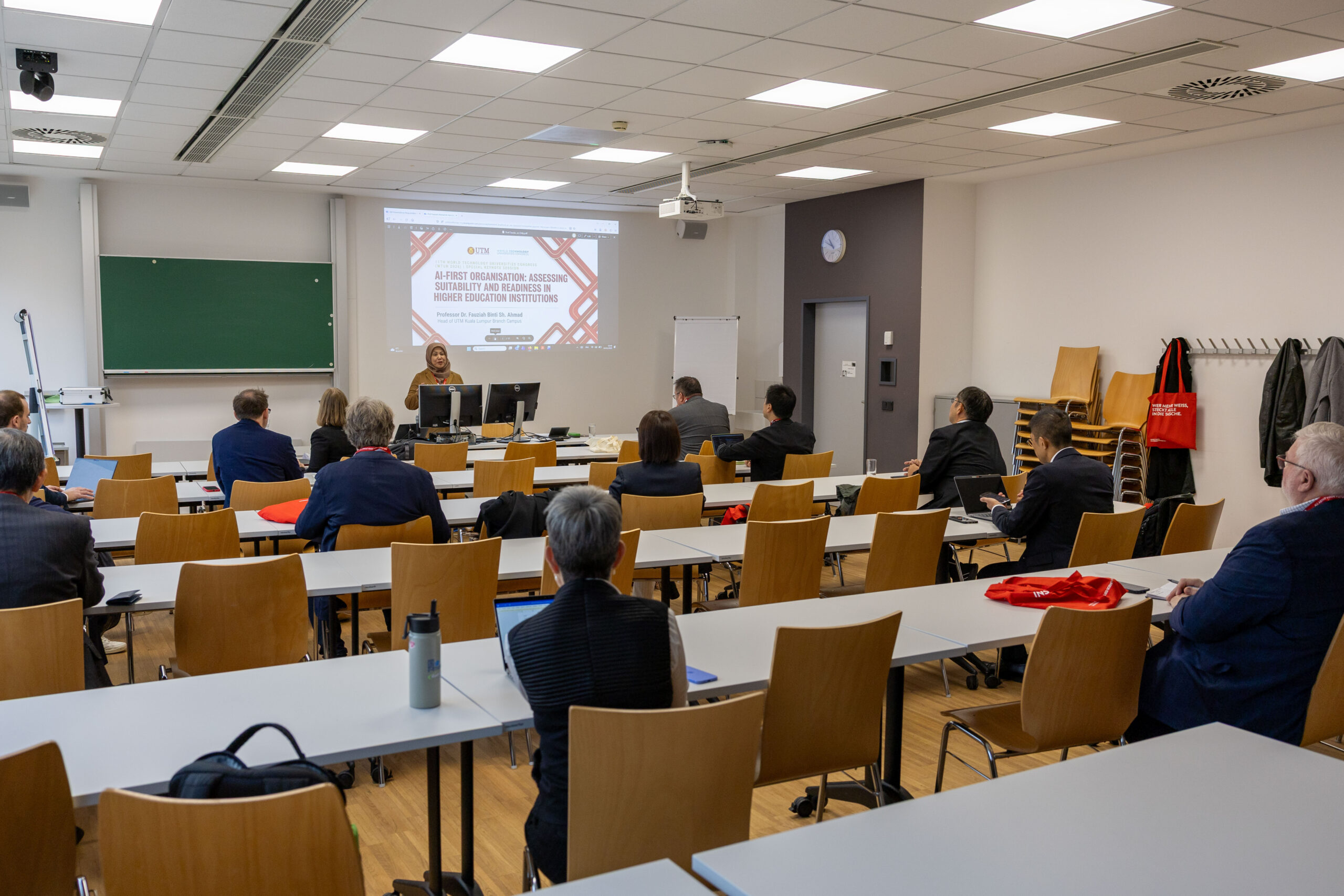
In this session delegates explored how universities can contribute to the responsible development and application of artificial intelligence.
Professor Dr Fauziah Sh. Ahmad of Universiti Teknologi Malaysia introduced the concept of the “AI-First University”, exploring how institutions can strategically integrate AI across decision-making, administration, branding and service delivery. Professor Masaomi Kimura of Shibaura Institute of Technology presented research examining the security and reliability of AI systems, highlighting the importance of trustworthy and robust technologies as AI becomes increasingly embedded within society.
Professor Michael Affenzeller of the University of Applied Sciences Upper Austria explored agentic AI and intelligent autonomous systems, demonstrating how advanced analytics and AI-driven approaches can support decision-making and innovation across multiple sectors. Assoc. Prof. Dr. Chawin Chantharasenawong, King Mongkut’s University of Technology Thonburi (KMUTT), shared lessons from building an “AI Team for the International Office”. The presentation showcased how AI agents can support internationalisation activities such as partnership agreement management, mobility opportunity monitoring, delegation briefings, travel planning and administrative workflows. Rather than replacing staff, the system was designed to automate repetitive tasks while ensuring that people remain responsible for reviewing, approving and acting upon outputs.
A common message that emerged during this session was the critical role universities have in not only advancing AI technologies but also in ensuring innovation is accountable, ethical and has a societal benefit.
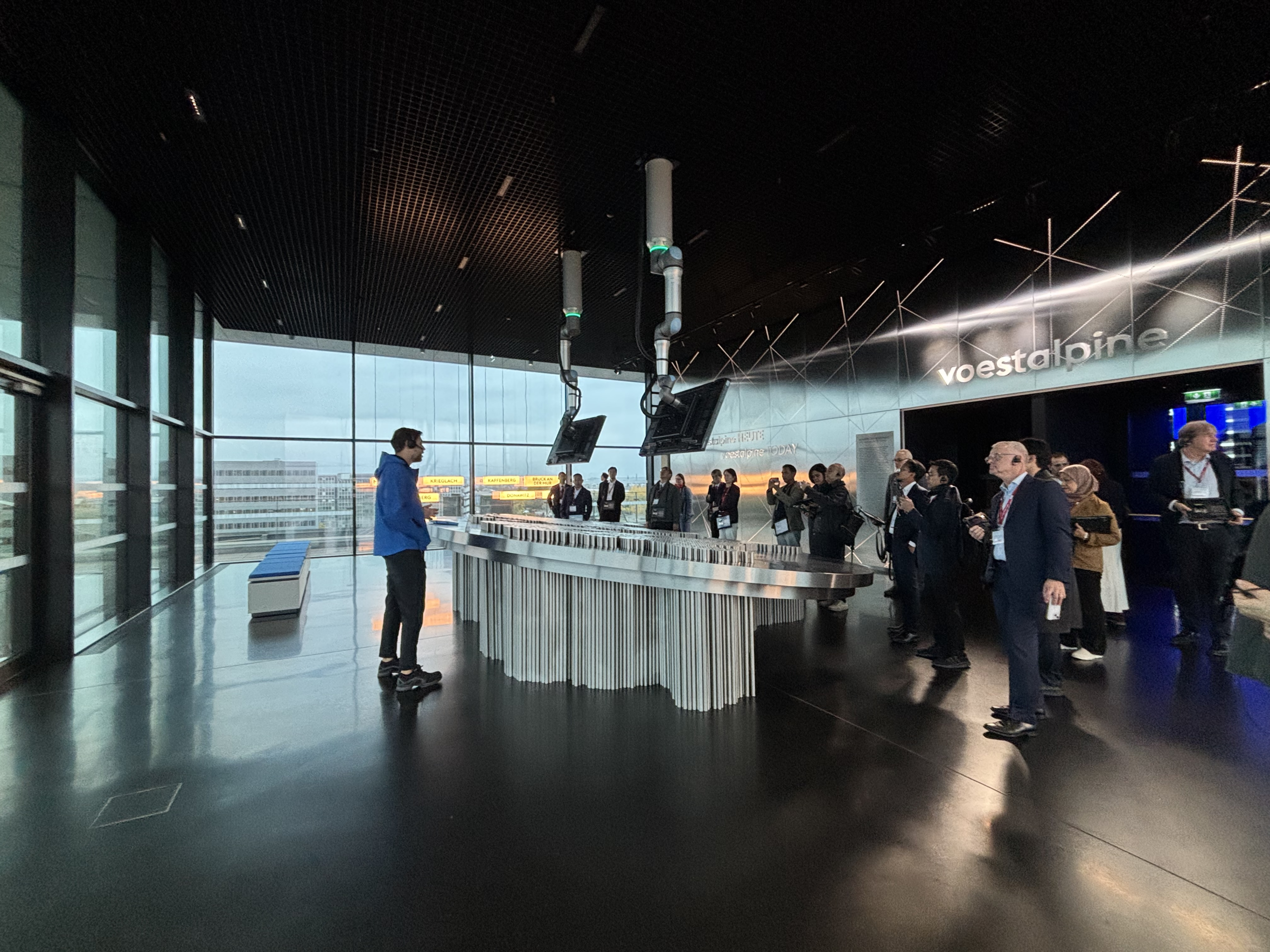
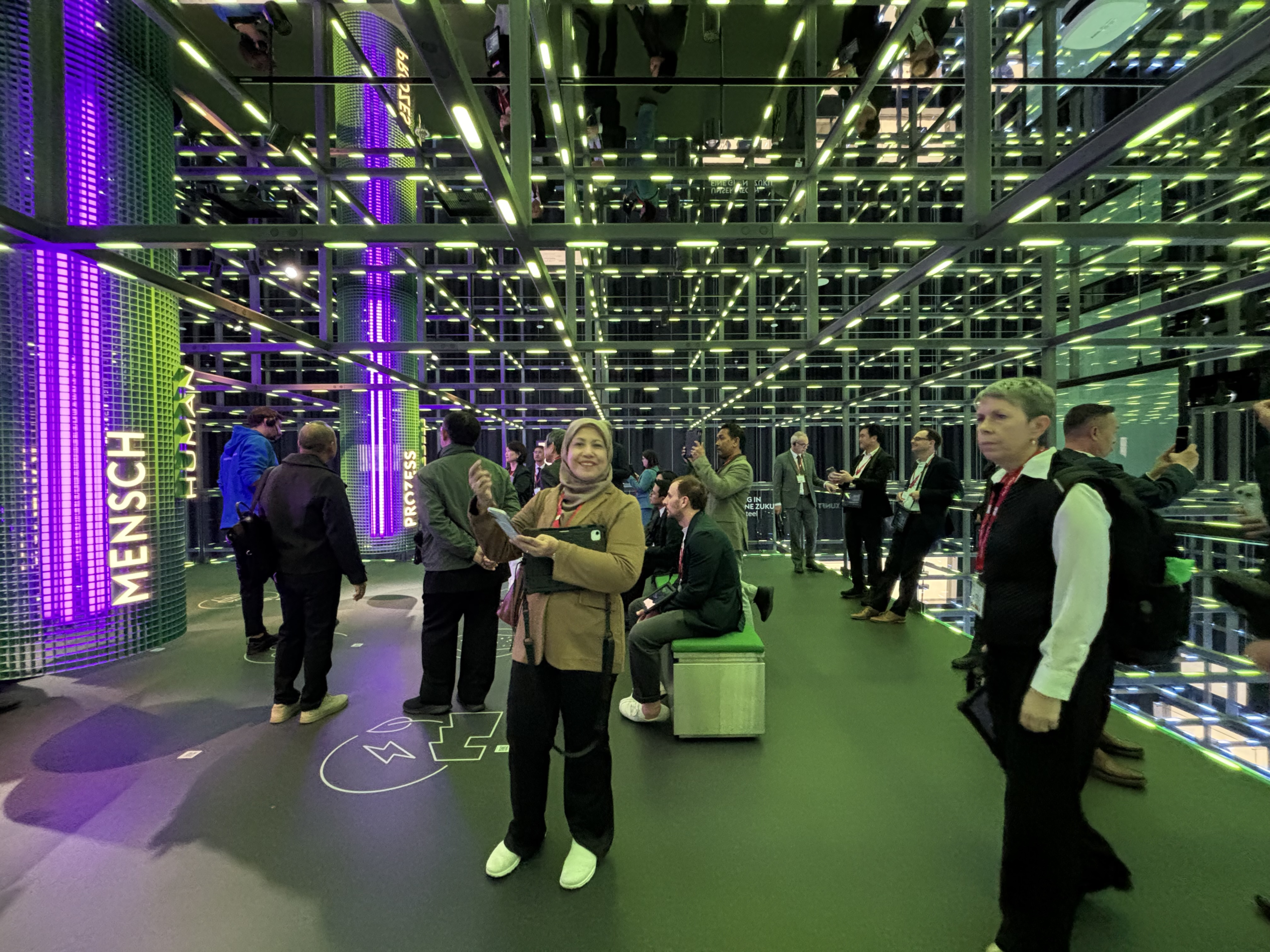
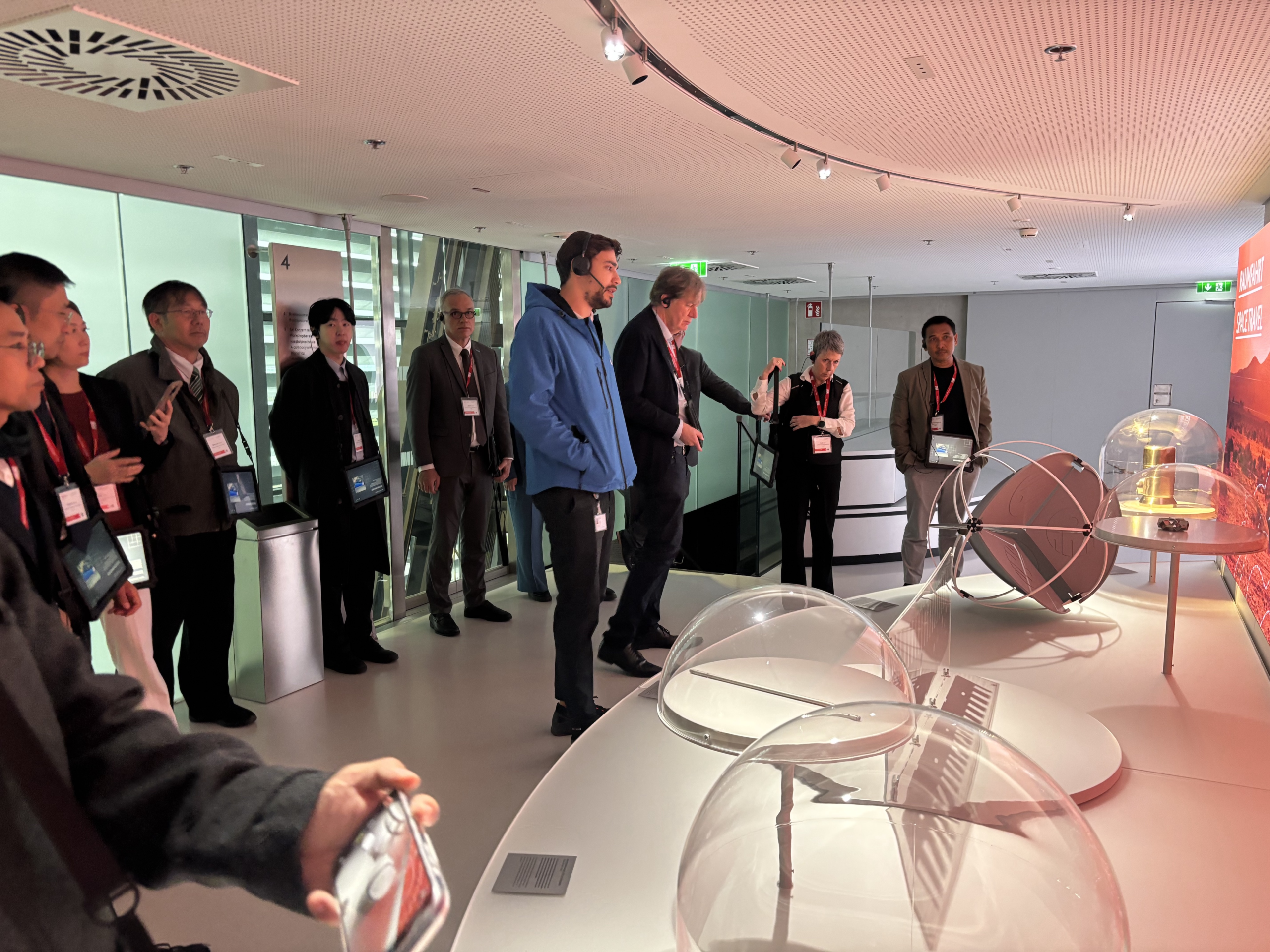
The day concluded with a site visit to Voestalpine (www.voestalpine.com/group/en/), an Austrian steel-based technology and capital goods group. The visit provided delegates with an opportunity to connect Congress discussions with innovation and industry practice. Delegates then gathered for an informal networking dinner of “Austrian Tapas”
Day Two: Collaboration, Student Success and Global Engagement
The second day of WTUC2026 focused on the strength of collaboration across the WTUN network, highlighting initiatives that connect member universities and create opportunities for global engagement.
Proceedings began for member of the Operational and General Boards with the dedicated WTUN Development Session. This was followed by WTUN in the Spotlight, where delegates received updates on current and future network activities and discussed opportunities for continued collaboration across the membership.
WTUN in the Spotlight
A key feature of the session was recognition of the many ways in which WTUN continues to connect member institutions through mobility, collaboration and shared initiatives. Updates highlighted the ongoing success of the WTUN Exchange Programme and provided an overview of upcoming opportunities for engagement across the network.
Delegates celebrated the WTUN Student Competition 2025-26, which attracted 28 student teams from 10 WTUN member universities under the theme of Responsible Science.
The overall winning entry was submitted by Atlantic Technological University and presented a low-cost hydroelectric turbine designed to improve access to electricity in rural Nepal through a practical and locally maintainable solution. Second place was awarded to Universidade Federal do Rio Grande do Norte for TrueGreen, while third place was awarded to National Taiwan University of Science and Technology for Skin Smart. Together, the projects demonstrated the creativity and commitment of WTUN students in addressing societal and sustainability challenges through innovation.
The afternoon session explored how universities can advance Responsible Science through partnership working, student development and international engagement.
The session provided an opportunity for members to showcase initiatives, share good practice and discuss collaborative activities that support student success and global learning across the network. Contributions demonstrated how international partnerships can create meaningful opportunities for students while strengthening institutional relationships and knowledge exchange.
Presentations from Dr Thuanthong Krutchon & Dr Pittayatorn Kaewkong, Thaksin University highlighted the value of connecting global perspectives with local impact through interdisciplinary projects, community engagement and international learning experiences.
Professor Judith M. Pütter and Professor Jessica Stemann of Hamm-Lippstadt University of Applied Sciences presented the INFUSE initiative (https://www.infuse-hshl.de/), demonstrating how international cooperation can support future skills development, collaborative learning and student mobility. The discussion also explored opportunities to strengthen global learning experiences across the WTUN.
Dr Stefan Sunzenauer of the University of Applied Sciences Upper Austria presented the institution’s International Foundation Program and invited discussion on potential pathways to increase student mobility and engagement between WTUN member universities.
The session concluded with an industry perspective from Mr Markus Grau MBA of SAS, who discussed the growing importance of analytics, artificial intelligence and data literacy, and highlighted the value of collaboration between universities and industry in preparing graduates for an increasingly data-driven world.
The day concluded with the WTUC 2026 Congress Dinner, providing delegates with an opportunity to continue discussions, strengthen professional relationships and celebrate the collaborative spirit that underpins the WTUN community.
Day Three: Reflection and Looking Ahead
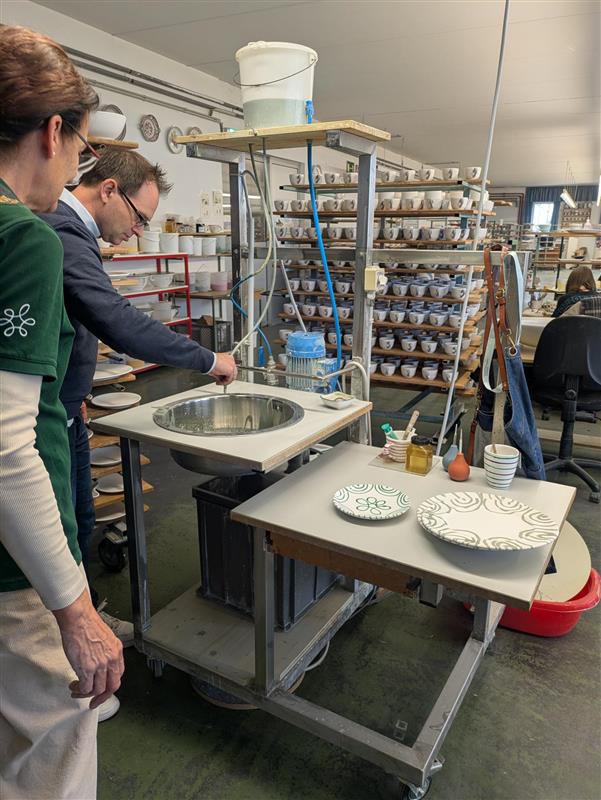
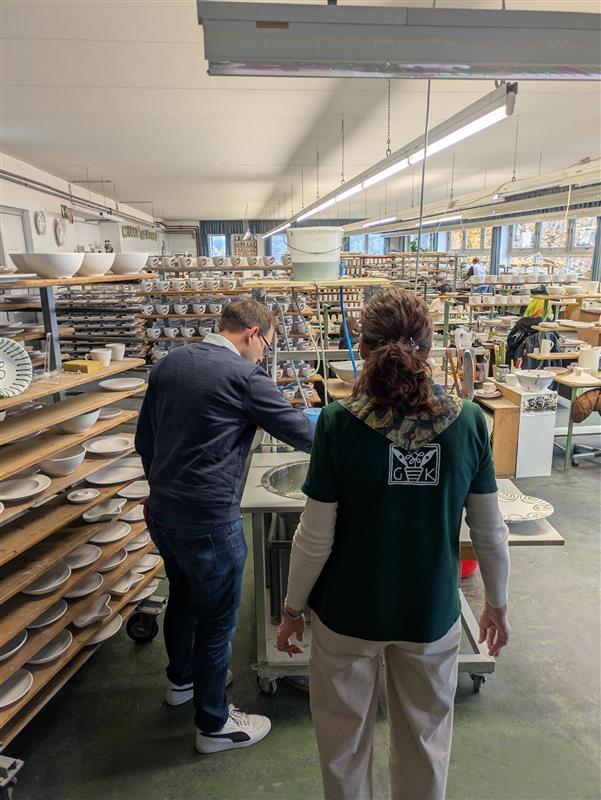
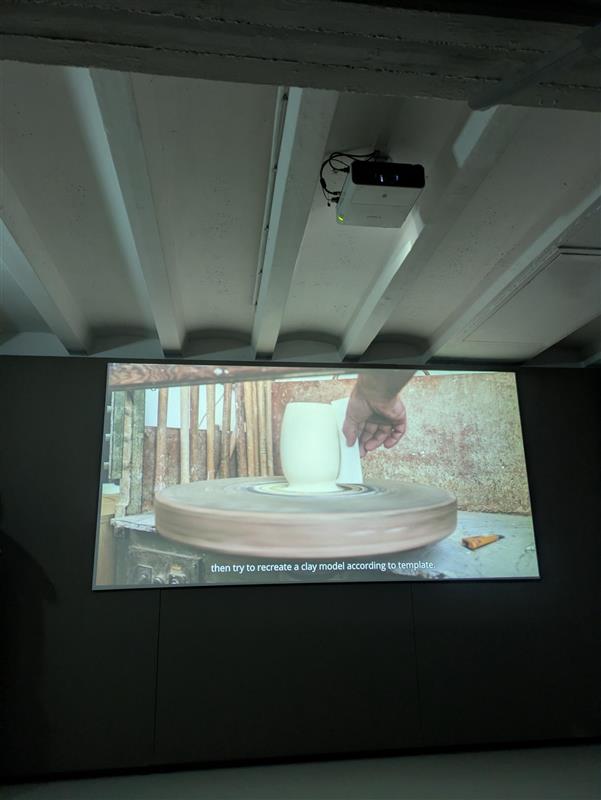
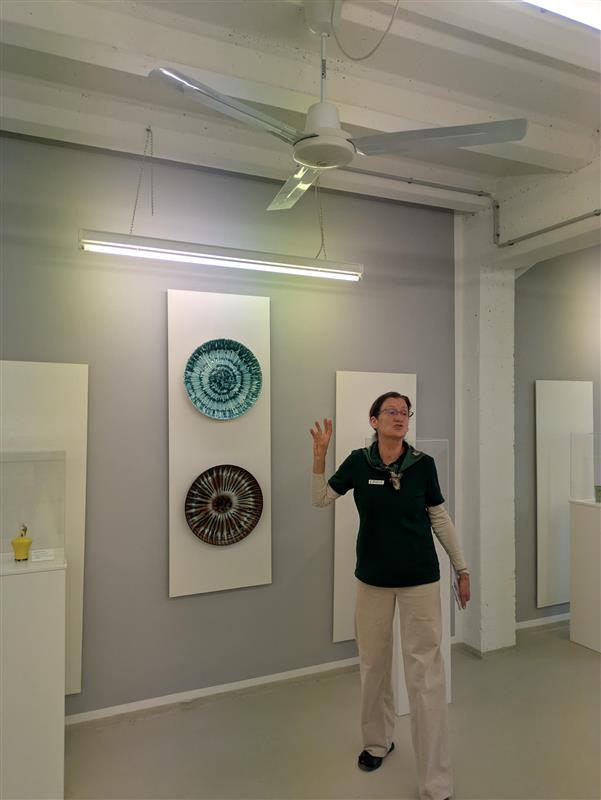
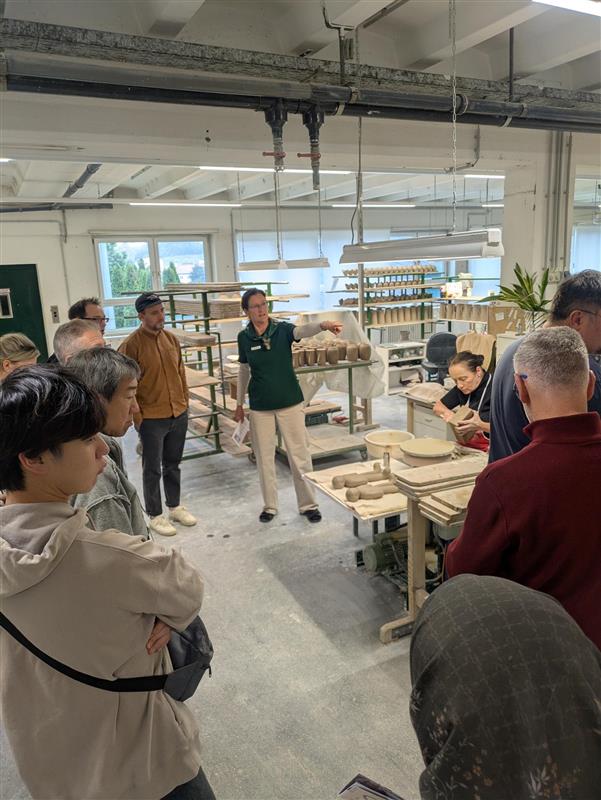
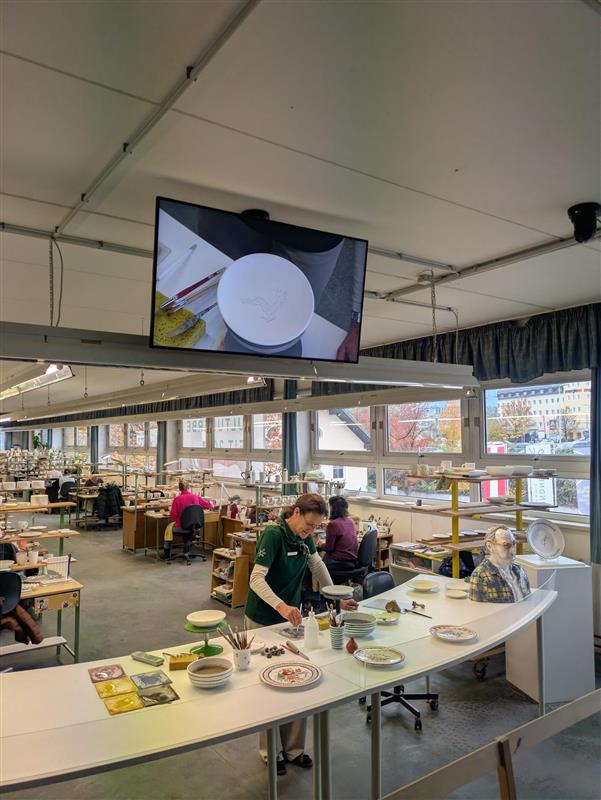
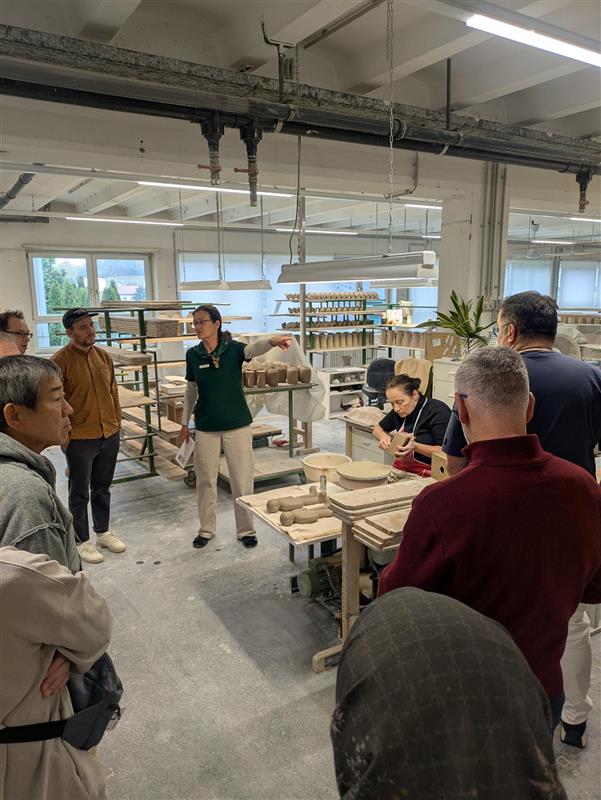
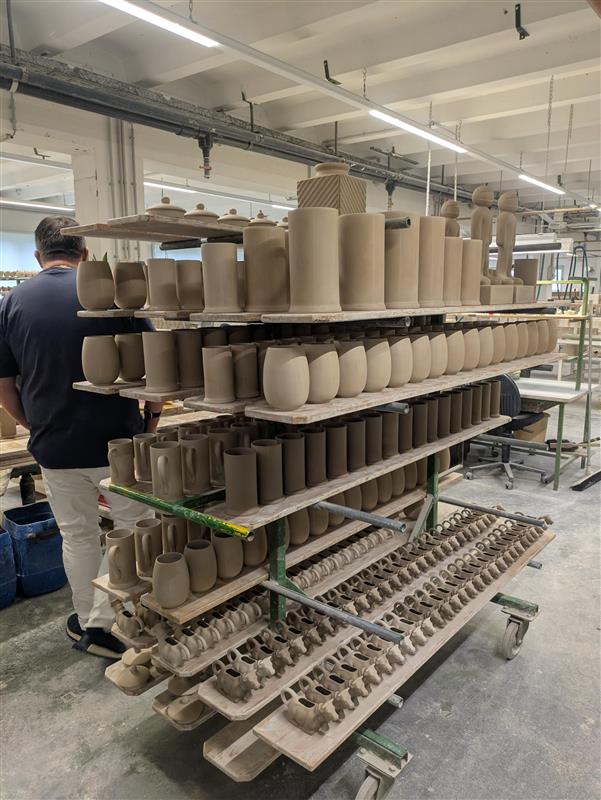
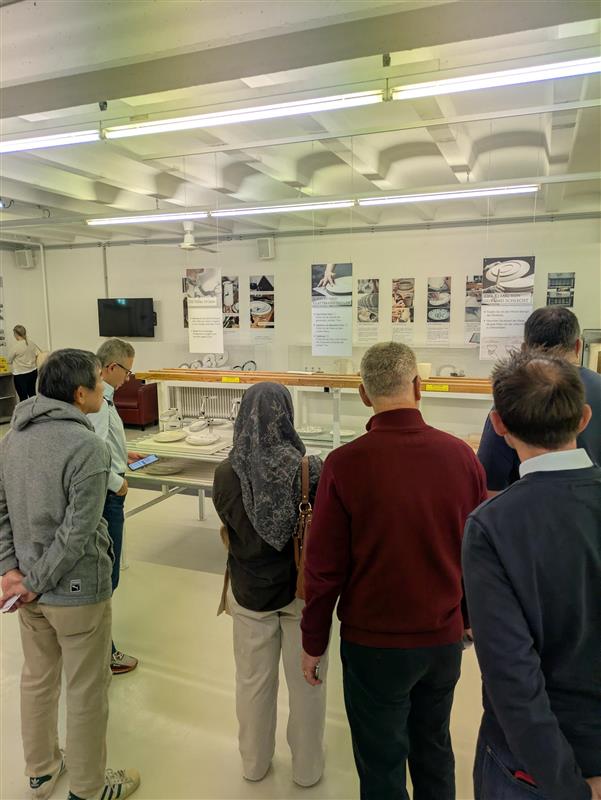
The final day included a cultural visit to the beautiful lakeside town of Gmunden and a tour of the historic ‘Gmundner Keramik’ (www.gmundner.com/en/manufactory), allowing delegates to experience the heritage of the region while continuing discussions and relationship-building in a more informal setting.
Whether discussing sustainability, artificial intelligence, student success, international partnerships or community engagement a consistent theme was the value of working across disciplines, institutions and national boundaries to address complex challenges and create positive societal impact.
The World Technology Universities Network extends its sincere thanks to SAS for their sponsorship and support of WTUC2026. The contribution of industry partners helps create valuable opportunities for dialogue between universities and industry, identifying skills development and future workforce needs. (Contact Marckus Grau for more information – markus.grau@sas.com • www.sas.com)
WTUC2026 demonstrated the strength of the global WTUN community and reinforced the role of technology universities as partners in addressing some of the most pressing challenges facing society. From sustainability and artificial intelligence to student success, global learning and community engagement, the Congress showcased the value of international collaboration in advancing Responsible Science. As delegates returned home, the focus shifted from discussion to action. The ideas, partnerships and opportunities identified throughout the event provide a strong foundation for future collaboration and continued progress towards the shared goal of advancing Responsible Science across the WTUN.
Final Words from the Chair:
Professor Michael Affenzeller
After three intensive days of open exchange, planning of new collaborations, and further strengthening the way our network operates, this year’s WTUN Congress has come to a close. A heartfelt thank you to all participants for your enthusiasm and commitment to responsible science and to our network. I would also like to extend my special thanks to Federal Minister Eva-Maria Holzleitner for her inspiring opening remarks and to Michael Shamiyeh for his thought-provoking keynote. I am already very much looking forward to our next annual meeting at Shibaura Institute of Technology in Tokyo!
WTUC Delegates:
Dr Orla Flynn
“The recent WTUN Congress hosted by the University of Applied Sciences of Upper Austria in Linz was an excellent opportunity to meet other network members, share examples of good practice under the theme of “Responsible Science” and, most importantly, gain a better understanding of the challenges faced by members in other parts of the world. I especially enjoyed the annual lecture from Professor Michael Shamiyeh which gave a fascinating insight on future thinking, and how bias towards current conditions can lead to future failure. Special thanks to our hosts for the warm welcome and excellent organisation!”– Dr Orla Flynn, President of Atlantic Technological University.
Professor Zaini Ahmad
“WTUC2026 is the premier academic platform where top university leaders from every continent converge to share technological knowledge, forge elite networks, and exchange global best practices.”-Professor Zaini Ahmad, Deputy Vice Chancellor, Development, Universiti Teknologi Malaysia


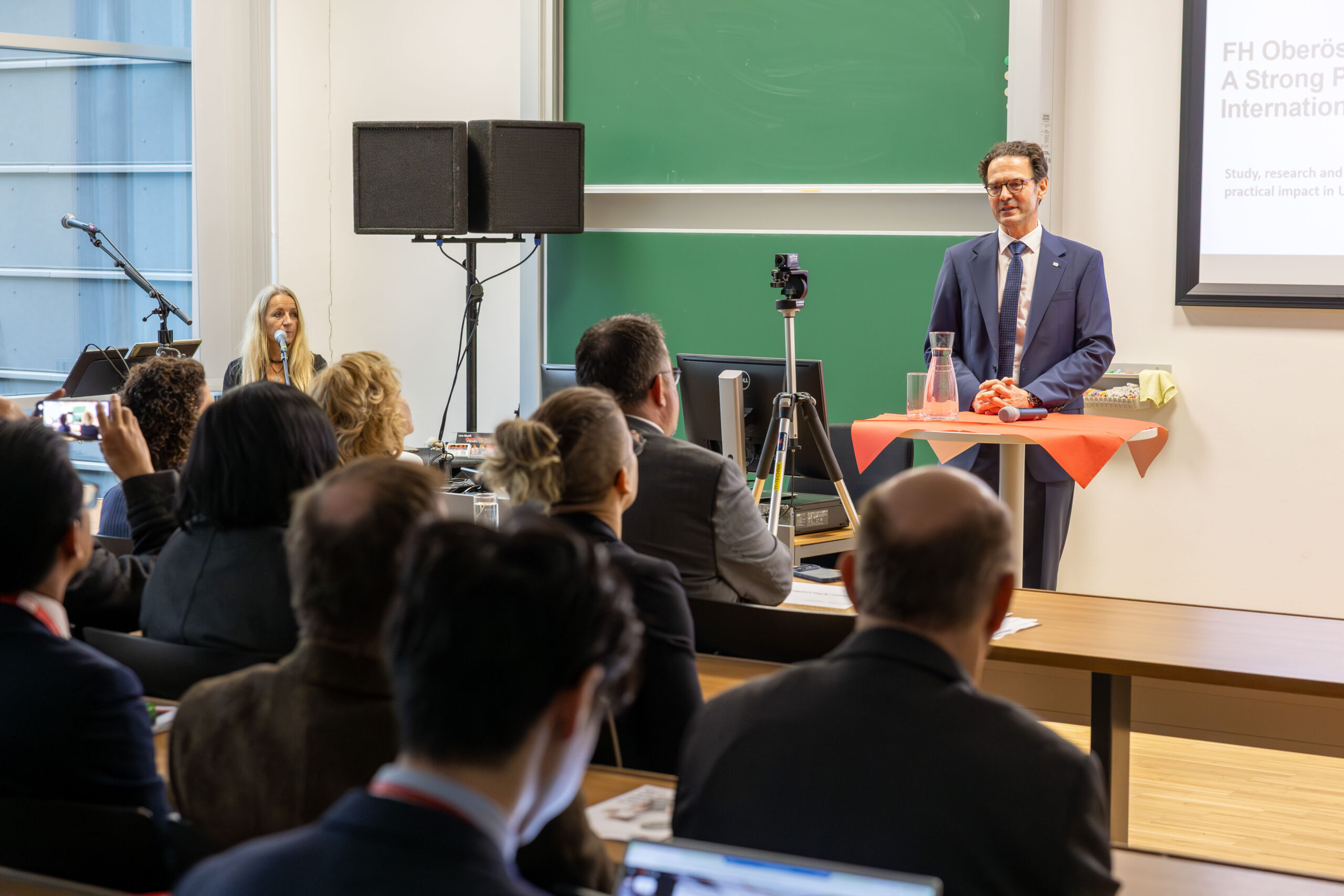
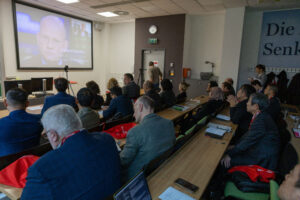
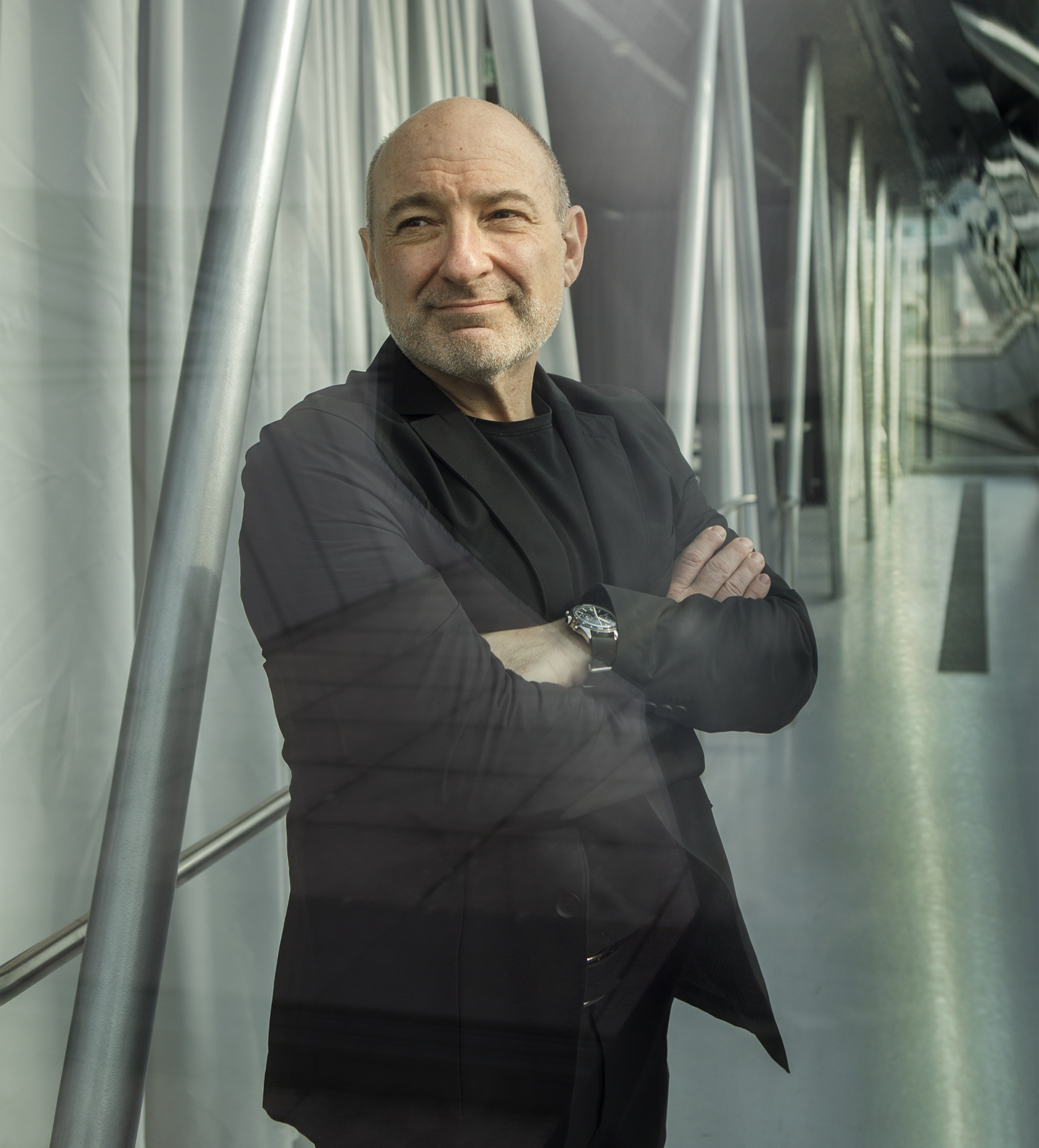 In his keynote ‘The Narrow Lens: Why Smart Companies Misread the Future – and How Future-Makers Can Push Back’, Professor Shamiyeh examined why organisations can struggle to anticipate and respond to future change. He argued that major strategic failures often occur when decisions are shaped through a single perspective rather than informed by diverse viewpoints. The lecture set the tone for a Congress focused on collaboration, adaptability and the importance of broadening perspectives when addressing complex global challenges.